Key takeaways:
- At least four American detainees remain imprisoned in Iran under dangerous conditions, with former prisoners highlighting risks of violence amid ongoing unrest and geopolitical turmoil.
- The U.S. government, under President Trump, is considering deploying ground troops and conducting targeted military operations in Iran to secure strategic objectives, though such actions carry significant risks.
- Recent U.S.-Israel tensions have emerged over military strategies against Iran, especially following Israel’s unilateral strike on Iranian energy infrastructure, prompting calls for closer coordination.
As tensions escalate in the ongoing conflict involving Iran, concerns have risen over the safety of American detainees held within the country, as well as the possibility of U.S. ground troop deployments in the region. Recent discussions highlight the precarious situation faced by at least four Americans currently imprisoned in Iran, alongside strategic deliberations within the U.S. administration about potential military actions.
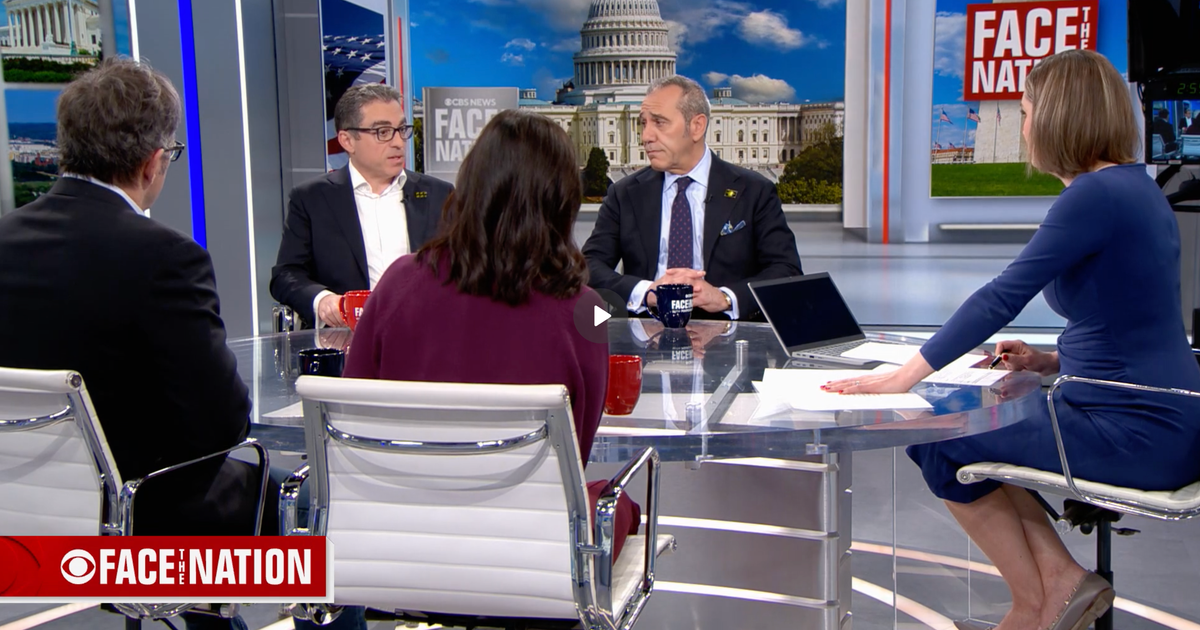
On the issue of American detainees, former prisoners Siamak Namazi and Emad Shargi, who were wrongfully held in Iran’s notorious Evin Prison, spoke publicly about the dangers faced by those still detained. Shargi described the prison environment as highly volatile, especially during periods of unrest in Iran. He noted that during the Mahsa Amini protests in 2022, conditions inside Evin deteriorated rapidly, and he expressed concern that American prisoners could become targets of violence, both from their captors and other inmates, particularly as the country experiences ongoing bombings. Namazi echoed these concerns, emphasizing that foreign detainees are caught between a hostile regime using them as leverage in diplomatic conflicts and the broader chaos of war. He highlighted the risk that prisoners might be forgotten amid the larger geopolitical turmoil, stressing the importance of public awareness and advocacy to maintain pressure for their release.
Meanwhile, the U.S. government is reportedly considering various military options in response to the conflict with Iran. According to multiple current and former U.S. officials, President Donald Trump is weighing the deployment of ground troops into Iran, potentially numbering in the thousands, to achieve strategic objectives and hasten an end to the war. Proposed operations include securing passage through the Strait of Hormuz by deploying forces to Iranian ports or islands, seizing Iran’s enriched uranium, or targeting oil facilities to disrupt the regime’s financial resources. Officials caution that any ground operation would carry significant risks, including potential casualties, and would likely involve specialized forces rather than large-scale troop deployments akin to previous conflicts in Iraq or Afghanistan.
The military considerations come amid complex regional dynamics and recent escalations. The U.S. and Israeli militaries have conducted extensive air and sea operations targeting Iran’s missile and drone capabilities, including the assassination of top Iranian officials. However, tensions have surfaced between the U.S. and Israel regarding strategy, particularly following Israel’s unilateral strike on Iran’s largest gas field, which led to Iranian retaliation against energy targets in neighboring countries. President Trump publicly stated that the U.S. was not informed in advance of the Israeli attack and warned against further strikes on Iranian energy infrastructure, signaling a desire to coordinate military actions more closely.
As the conflict continues, the safety of American detainees remains a pressing humanitarian concern, while the U.S. administration navigates the complexities of military engagement and diplomatic relations in the Middle East. The situation underscores the multifaceted challenges of addressing both the immediate risks to individuals and the broader strategic imperatives in a volatile region.



Be First to Comment