Key takeaways:
- The U.S. and Israel have escalated military strikes against Iran, with over 7,000 U.S. attacks targeting Iranian military and industrial sites as part of Operation Epic Fury, including the use of heavy penetrator weapons against underground facilities.
- Israeli strikes targeted senior Iranian officials and key energy infrastructure, causing volatility in global energy markets; President Trump publicly distanced the U.S. from some attacks while warning against further Israeli actions without U.S. approval.
- Despite significant damage, Iranian regime remains intact but weakened; the Strait of Hormuz remains closed, prompting calls for international action, while investigations and revelations highlight covert coordination between the U.S. and Israel in the military campaign.
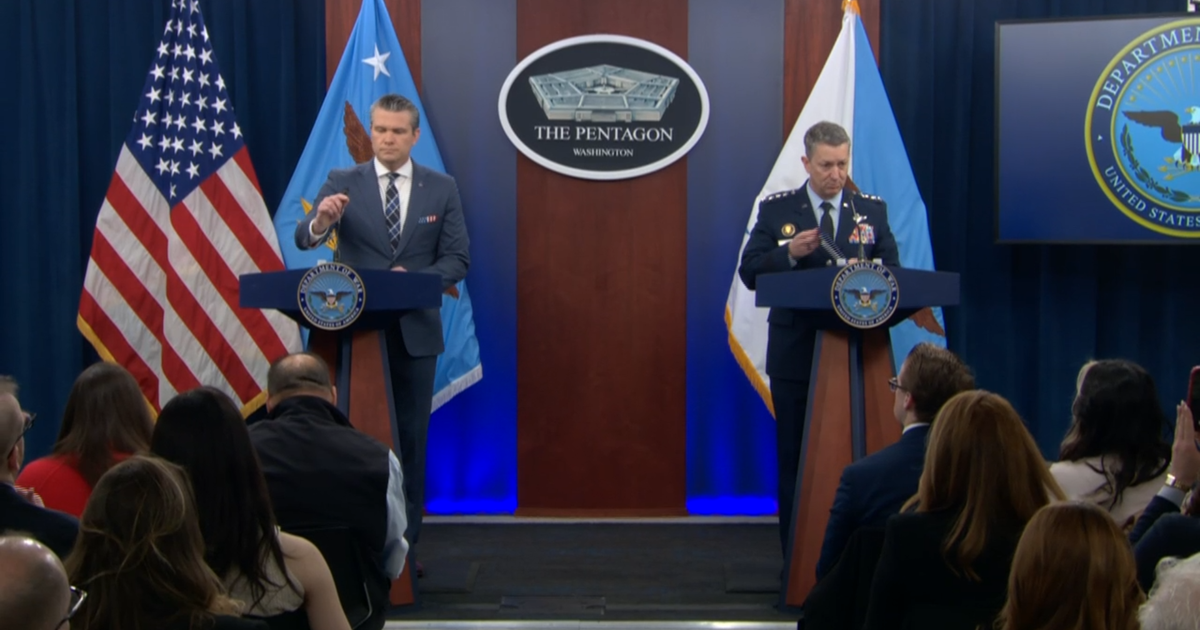
The United States and Israel have intensified military actions against Iran, with U.S. officials announcing a significant escalation in strikes targeting Iranian infrastructure. Defense Secretary Pete Hegseth and Joint Chiefs Chairman Dan Caine held a briefing on Thursday, revealing that the U.S. has conducted over 7,000 strikes against Iranian military and industrial sites. Hegseth described the day’s planned operations as the “largest strike package yet,” continuing a campaign the administration calls Operation Epic Fury. Caine detailed the use of 5,000-pound penetrator weapons against underground storage facilities housing coastal defense cruise missiles and related equipment, emphasizing that U.S. forces are “penetrating deeper into Iranian airspace to hunt and kill.”
The recent military actions follow Israeli strikes that targeted Iran’s top security chief Ali Larijani and intelligence minister Esmail Khatib. Additionally, Israel attacked Qatar’s Ras Laffan, the world’s largest liquefied natural gas terminal, and Iran’s South Pars gas field, a shared resource between the two countries. These attacks have contributed to volatility in global energy markets, with U.S. crude oil futures rising above $97 per barrel and Brent crude reaching $111.87 per barrel, marking a 4% increase. Natural gas prices also rose by 3%. President Donald Trump, in a social media post, claimed the U.S. was unaware of Israel’s strike on the South Pars facility and warned that there would be “NO MORE ATTACKS” by Israel on the site unless Iran attacks Qatar, in which case the U.S. would respond with overwhelming force.
Despite the ongoing strikes and targeted killings of senior Iranian officials, intelligence assessments suggest that the Iranian regime remains intact, though its capabilities have been “largely degraded,” according to Director of National Intelligence Tulsi Gabbard. Meanwhile, the Strait of Hormuz remains effectively closed to U.S. and allied shipping, exacerbating energy supply concerns. Trump has called on other nations to take responsibility for reopening the strategic waterway, a move that has met with mixed responses. NATO Secretary General Mark Rutte confirmed that allies are discussing strategies to restore passage through the strait, with the United Kingdom collaborating with the U.S. on potential military options.
In related developments, the FBI is investigating former National Counterterrorism Center Director Joe Kent for alleged leaks of classified information. Kent resigned earlier this week amid criticism of the Trump administration’s handling of the Iran conflict. Sources indicate the investigation began before his resignation and is not directly linked to his opposition to the war. Reports also reveal that the Israeli strike on the South Pars gas field was coordinated with and approved by the Trump administration, despite the president’s public claims to the contrary. This coordination reportedly involved direct communication between the White House and Israeli Prime Minister Benjamin Netanyahu’s office, underscoring the complex and covert nature of the ongoing military campaign in the region.



Be First to Comment