Key takeaways:
- Joe Kent, former head of the National Counterterrorism Center, resigned citing opposition to the U.S.-Israeli military campaign against Iran, arguing Iran posed no imminent threat and criticizing the war as influenced by Israeli pressure.
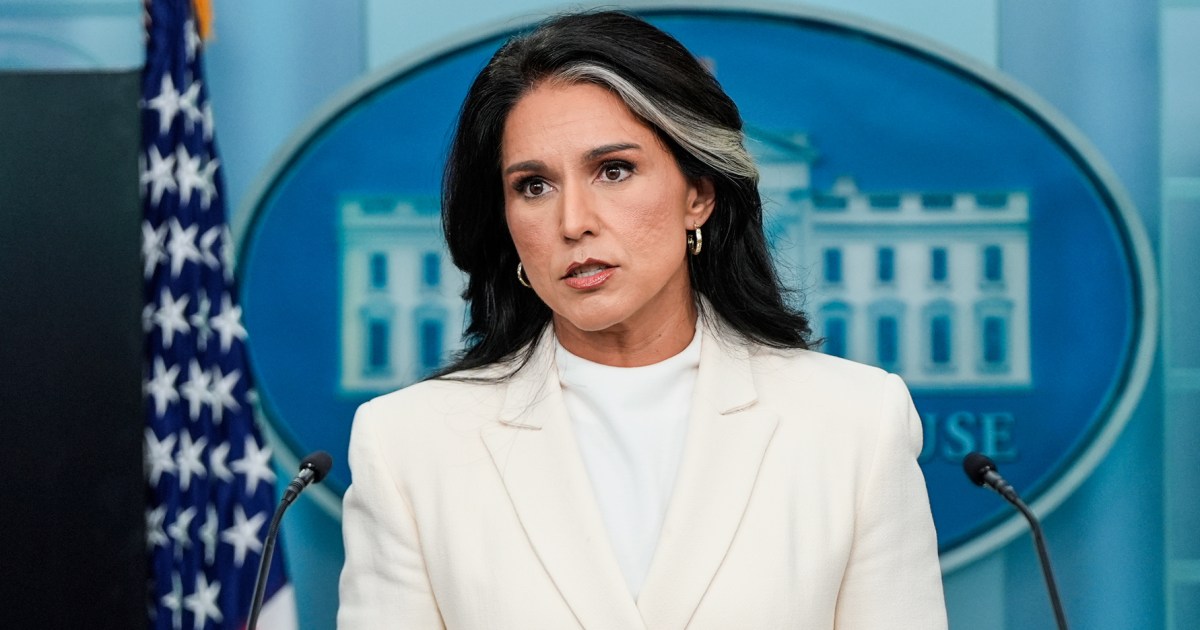
- National Intelligence Director Tulsi Gabbard, known for opposing regime change wars, has maintained a neutral public stance and is set to testify before the Senate Intelligence Committee amid scrutiny over her position on the conflict.
- The resignation has intensified debate within the Trump administration and Congress, exposing partisan divides over the Iran strikes and raising concerns about the political and foreign policy implications ahead of the midterm elections.
A senior counterterrorism official’s resignation has intensified scrutiny on National Intelligence Director Tulsi Gabbard amid the ongoing U.S.-Israeli military campaign against Iran. Joe Kent, who led the National Counterterrorism Center, stepped down on Tuesday, citing his refusal to support the war, stating that Iran posed no imminent threat to the United States. Kent’s departure highlights divisions within the Trump administration and among Republicans who have historically opposed prolonged foreign conflicts.
Kent, a controversial figure with far-right affiliations, publicly criticized the administration’s rationale for initiating hostilities, asserting that the decision was influenced by pressure from Israel and its American lobby. In his resignation statement, Kent emphasized, “I cannot in good conscience support the ongoing war in Iran. Iran posed no imminent threat to our nation.” His stance aligns with a faction of Republicans, including Gabbard and Vice President JD Vance, who advocate for restraint in U.S. foreign policy and oppose open-ended military engagements reminiscent of past conflicts in Afghanistan and Iraq.
National Intelligence Director Tulsi Gabbard is scheduled to testify before the Senate Intelligence Committee amid heightened expectations for her to clarify her position on the conflict. Gabbard, who built her political career as an outspoken critic of “regime change” wars and ran for president in 2020 as a Democrat, has maintained a notably neutral public stance since the airstrikes began on February 28. In a statement released shortly after Kent’s resignation, she deferred to President Donald Trump’s judgment regarding the threat posed by Iran, stating, “President Trump concluded that the terrorist Islamist regime in Iran posed an imminent threat and he took action based on that conclusion.” However, she did not elaborate on whether U.S. intelligence assessments supported this conclusion.
The White House has defended its decision to strike Iran, with Press Secretary Karoline Leavitt citing evidence of Iran’s sponsorship of terrorism, its ballistic missile program, and its failure to engage diplomatically. President Trump dismissed Kent’s resignation as confirmation of his view that Kent was “weak on security,” adding, “When I read his statement, I realized that it’s a good thing that he’s out.” The resignation has also drawn mixed reactions from lawmakers. Senator Mark Warner (D-VA), the top Democrat on the Senate Intelligence Committee, acknowledged Kent’s point that there was no credible evidence of an imminent Iranian threat justifying war, while distancing himself from Kent’s broader political views. Meanwhile, Republican Senator Rand Paul praised Kent’s call for caution.
Kent’s resignation has sparked debate about the administration’s handling of the conflict and the broader implications for U.S. foreign policy. Polls reveal deep partisan divides over the strikes, with a majority of Republicans supporting the military action and most Democrats opposing it. Some Republican strategists have expressed concern that a protracted conflict could harm GOP prospects in the upcoming midterm elections. As Gabbard prepares to testify, her response may prove pivotal in defining her political trajectory and the administration’s approach to the escalating tensions with Iran.





Be First to Comment