Key takeaways:
- Israeli strikes killed two senior Iranian officials, triggering Iranian missile and drone retaliations primarily targeting the UAE, which has intercepted hundreds of projectiles amid escalating regional violence including Israeli ground operations against Hezbollah in Lebanon.
- The humanitarian impact is severe, with civilian casualties and damage in Iran and Lebanon; international bodies like the ICRC and Western governments have expressed concern and urged negotiated solutions to prevent further devastation.
- Diplomatic efforts are uncertain as the U.S.-China summit is likely postponed due to the conflict, while disruptions to global energy markets persist, with rising oil prices and cautious international responses to Iran’s attacks near the Strait of Hormuz.
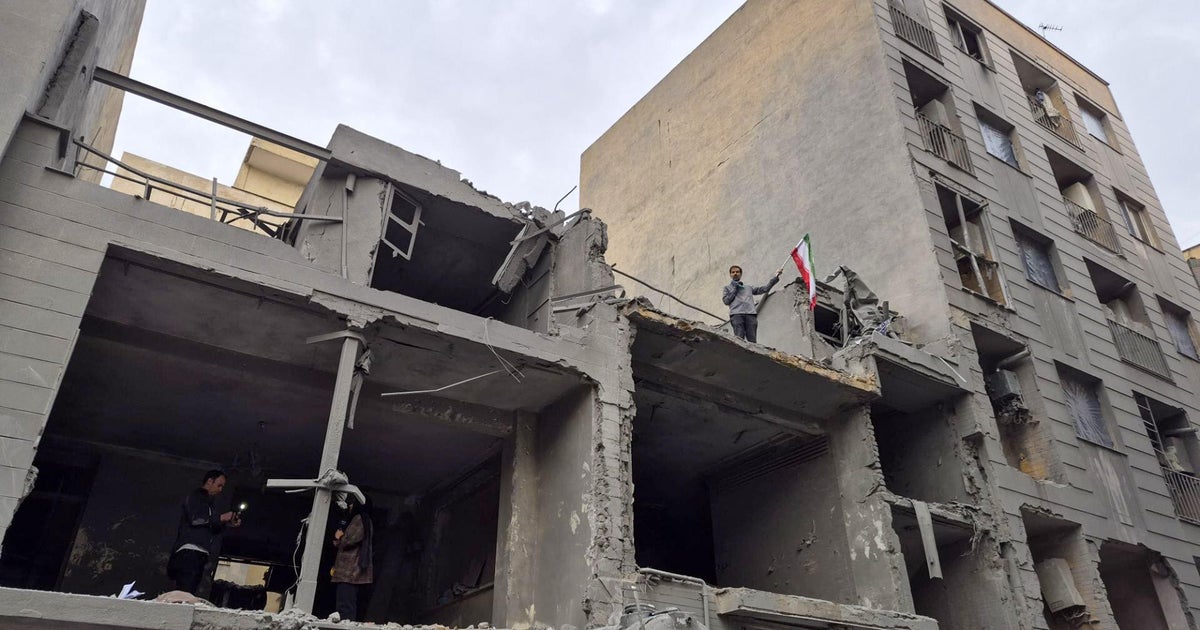
Tensions in the Middle East have escalated following a series of Israeli strikes targeting senior Iranian officials, while diplomatic efforts involving the United States and China face uncertainty amid the conflict. Israeli forces announced the killing of two high-ranking Iranian figures, including Ali Larijani, head of Iran’s Supreme National Security Council, and Gholamreza Soleimani, leader of the Basij paramilitary force. These attacks were followed by a broad wave of Israeli strikes across Tehran, according to the Israel Defense Forces (IDF). Meanwhile, Iran continues to retaliate with missile and drone attacks on Gulf states, particularly the United Arab Emirates (UAE), which has engaged hundreds of incoming projectiles since the conflict began.
The UAE Ministry of Defense reported intercepting 10 ballistic missiles and 45 unmanned aerial vehicles (UAVs) launched from Iran on Tuesday alone. Since the onset of hostilities, UAE air defenses have engaged a total of 314 ballistic missiles, 15 cruise missiles, and 1,672 UAVs. The attacks have resulted in at least eight deaths and over 150 injuries in the UAE, including casualties among its armed forces. The ongoing violence has also affected Lebanon, where one Lebanese soldier was killed and four others wounded during an Israeli raid in the south of the country. Israel has initiated a ground incursion targeting Hezbollah, the Iranian-backed militant group operating in Lebanon, raising concerns among international allies about a potential protracted conflict.
The humanitarian impact of the conflict is drawing attention as well. The International Committee of the Red Cross (ICRC) highlighted the heavy toll on Iranian civilians, citing disruptions to daily life in Tehran and damage to schools, hospitals, and humanitarian facilities. Vincent Cassard, head of the Red Cross delegation in Iran, described the situation as placing a “heavy strain” on the population. Meanwhile, leaders from Canada, France, Germany, and the United Kingdom issued a joint statement expressing grave concern over the escalating violence in Lebanon and warning that a significant Israeli ground offensive could have devastating humanitarian consequences. They urged Israeli and Lebanese officials to seek a negotiated resolution to the fighting.
Amid these developments, the timing of a highly anticipated summit between U.S. President Donald Trump and Chinese leader Xi Jinping has become uncertain. Trump indicated that the trip, originally scheduled for late March to early April, might be postponed by “a month or so” to allow him to focus on the conflict with Iran. The summit was intended to address trade issues and extend a tariff truce between the two largest economies. Chinese officials have maintained a neutral stance on the delay, emphasizing ongoing communication with the United States about the visit’s timing. Analysts suggest that the postponement may provide both sides additional time to prepare, as coordination for the summit had reportedly been lacking prior to the outbreak of hostilities.
The conflict has also disrupted global energy markets, with Iran’s attacks on shipping routes near the Strait of Hormuz contributing to crude oil prices hovering around $100 per barrel and rising U.S. gasoline prices. President Trump has sought naval support from countries reliant on the strait for oil imports, including China, but Beijing has shown little indication of committing to military assistance. Experts note that while China imports a significant portion of its oil through the strait, it has sufficient reserves to weather short-term disruptions, though prolonged instability could pose challenges. The evolving situation continues to affect international diplomacy and regional security, with no immediate resolution in sight.






Be First to Comment