Key takeaways:
- Duke University earned the top overall seed in the 2026 NCAA men’s basketball tournament, with Arizona, Michigan, and Florida also securing No. 1 seeds; the tournament begins with First Four games in Dayton, Ohio, and concludes with the Final Four in Indianapolis on April 6.
- The selection committee’s seeding reflected recent performances and injuries, leading to notable placements such as Michigan dropping to No. 3, Miami (Ohio) barely making the field as an 11th seed despite a strong record, and several prominent teams like San Diego State and Auburn being excluded.
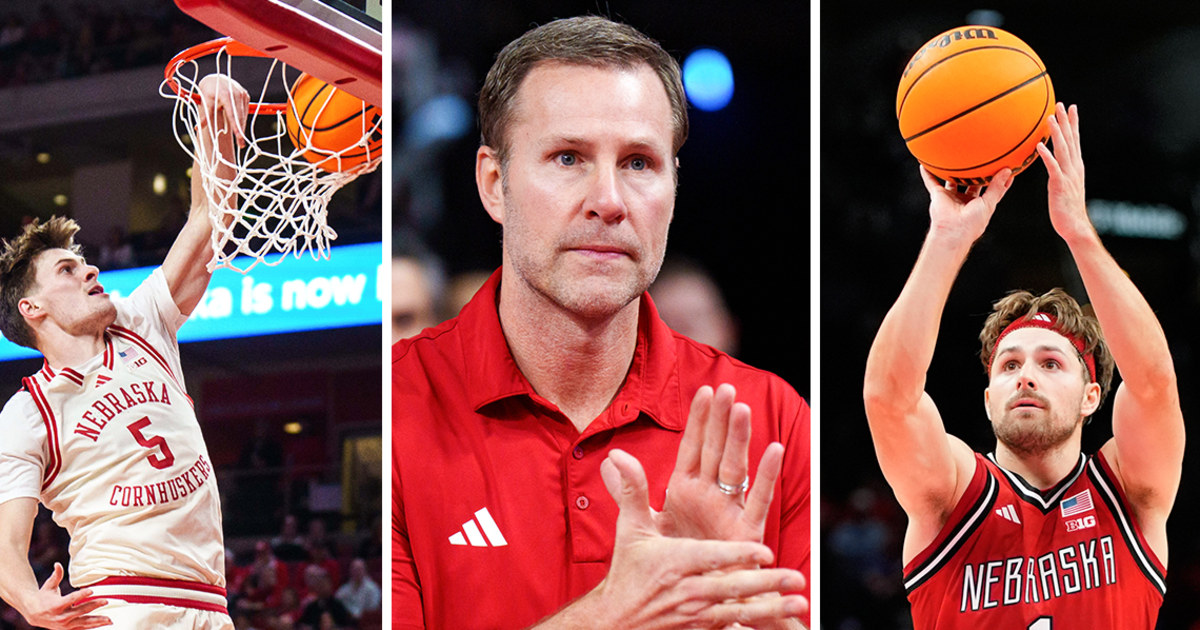
- Nebraska prepares for its first NCAA tournament game since 1986 with a No. 4 seed, aiming to break its winless streak, while the Southeastern Conference leads with 10 teams in the tournament and some bracket placements, like Houston’s, have raised questions.
Duke University has secured the top overall seed in the 2026 NCAA men’s basketball tournament, announced on Selection Sunday. The Blue Devils are followed by Arizona, Michigan, and Florida, all of whom are aiming to replicate last season’s historic achievement when all four No. 1 seeds advanced to the Final Four. The tournament will commence on Tuesday with the First Four play-in games, including a matchup between Miami (Ohio) and SMU in Dayton, Ohio. The national champion will be crowned at the Final Four in Indianapolis on April 6.
The selection committee’s decisions reflected recent team performances and injuries. Michigan dropped to the No. 3 overall seed after a loss to Purdue, which moved up to a No. 2 seed. Florida, the defending champion with a 26-7 record, seeks to repeat its back-to-back titles from 2006-07. Miami (Ohio), despite a 31-1 record, barely made the field as an 11th seed due to its low strength of schedule ranking at 339th. The committee also factored in injuries, notably North Carolina’s loss of Caleb Wilson to a broken thumb, which contributed to their No. 6 seed, and Texas Tech’s JT Toppin’s season-ending knee injury, influencing their No. 5 seed.
Several notable teams were left out of the tournament, including San Diego State, Indiana, Oklahoma, and Auburn. Auburn’s exclusion sparked criticism from Bruce Pearl, the father of Auburn’s current coach, who argued the team was penalized despite having the third-best strength of schedule. The Southeastern Conference led all conferences with 10 teams in the tournament, followed by the Big Ten with nine, and both the ACC and Big 12 with eight teams each. The committee’s bracket placements also raised questions, such as Houston’s No. 2 seed in the South region, which could allow the team to play a regional final in its hometown, a scenario the NCAA typically avoids.
Meanwhile, Nebraska’s men’s basketball team is preparing for its first NCAA tournament game since 1986, hoping to break a long-standing winless streak. The Cornhuskers, who hold an 0-8 all-time record in the tournament, earned a program-record No. 4 seed and will face 13th-seeded Troy on Thursday. Nebraska’s struggles in March Madness have been a source of frustration for fans and alumni alike. Kent Pavelka, who has been calling Nebraska games since 1974, expressed cautious optimism this season, noting the team’s strong 15-0 start and improved performance under coach Fred Hoiberg.
The drought has been a persistent issue for Nebraska, especially when compared to nearby Creighton University, which has a 21-27 all-time tournament record. Senior player Rienk Mast acknowledged the weight of the program’s history and the desire to finally secure a tournament victory. Former Nebraska star Tyronn Lue, who played during the Huskers’ last tournament appearance in 1998, also expressed hope for the current team’s success. The Huskers’ placement in Oklahoma City, just a six-hour drive from Lincoln, is expected to draw significant fan support. Alumni and longtime supporters are eagerly anticipating the possibility of witnessing Nebraska’s first NCAA tournament win.


Be First to Comment