Key takeaways:
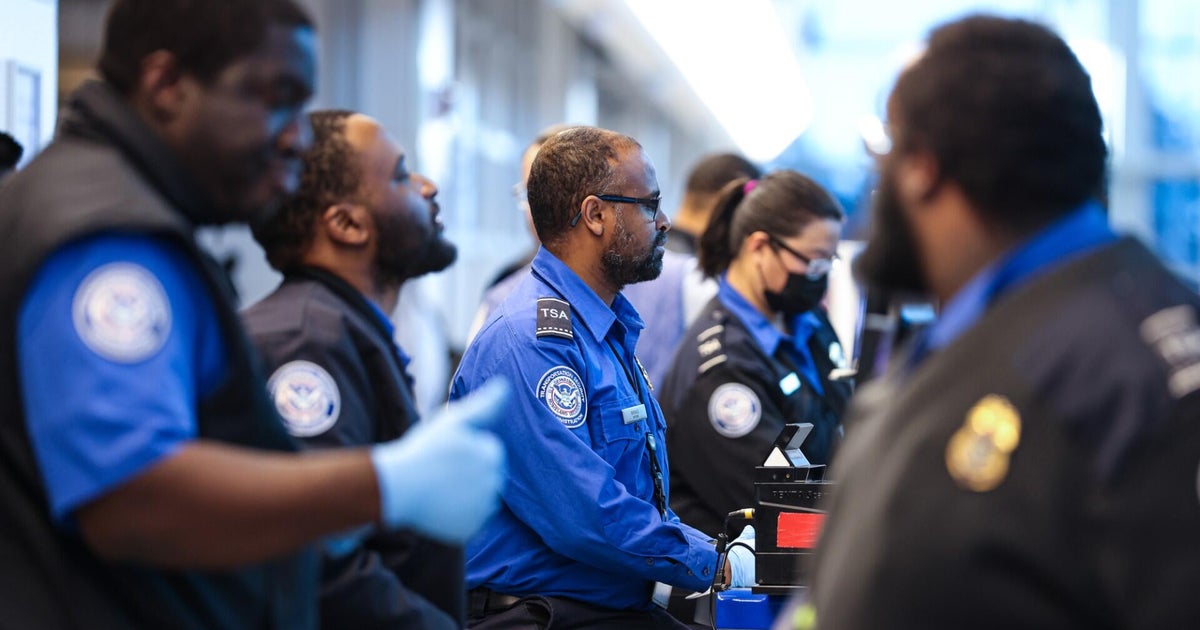
- The partial government shutdown has forced around 50,000 TSA agents to work without pay since February 14, leading to staffing shortages, increased absences, and over 300 resignations, which have caused long security lines and operational disruptions at major U.S. airports.
- Despite financial hardships and rising tensions, TSA agents continue working, with public support from President Trump and airline CEOs urging Congress to fund DHS and pass legislation to ensure pay during future shutdowns; however, political disagreements delay resolution.
- The shutdown’s strain on airport security has resulted in incidents of violence against TSA officers and significant personal hardships for workers, highlighting the broader human and operational impact of the prolonged funding lapse.
The ongoing partial government shutdown has led to significant challenges for Transportation Security Administration (TSA) agents and travelers across the United States. Since the Department of Homeland Security (DHS) funding lapsed on February 14, approximately 50,000 TSA officers have been required to work without pay. The first full missed paycheck for these agents occurred on February 23, intensifying concerns about staffing shortages and operational disruptions at airports nationwide.
President Donald Trump publicly acknowledged the situation on social media, thanking TSA agents for continuing to work despite not receiving pay. He attributed the funding impasse to the “radical left” and urged TSA personnel to “keep fighting for the USA.” Meanwhile, DHS officials have expressed worry that the longer the shutdown persists, the more TSA employees will resign, exacerbating existing staffing issues. Since the shutdown began, over 300 TSA employees have left the agency, and unscheduled absences have more than doubled, according to CBS News.
The impact of the shutdown has been felt acutely by travelers, with long security lines reported at major airports including Hartsfield-Jackson Atlanta International Airport, Philadelphia International Airport, Houston Hobby, New Orleans, Austin-Bergstrom International Airport, and Chicago’s O’Hare International Airport. At Atlanta’s airport, wait times have ranged from four minutes for TSA PreCheck passengers to over an hour at the main checkpoint. Despite the delays, many travelers expressed understanding and appreciation for TSA agents who continue to work under difficult circumstances. Laronda Monteiro, an Atlanta resident, said she arrived three hours early for her flight and valued the security efforts, while Morgan Young described the experience as stressful, particularly for unpaid TSA workers.
The strain on airport security operations has also led to isolated incidents of violence. Federal prosecutors charged a California man, Idress Vinay Solomon, with assaulting TSA and Dallas police officers after failing an identity check at Dallas Love Field airport. U.S. Attorney Ryan Raybould emphasized that violent conduct against TSA and law enforcement officers would be prosecuted to the fullest extent.
In response to the situation, CEOs of major airlines such as American, Delta, and United Airlines issued an open letter to Congress, calling the missed paychecks “simply unacceptable.” They urged lawmakers to fund DHS and pass legislation including the Aviation Funding Solvency Act, the Aviation Funding Stability Act, and the Keep America Flying Act, which aim to ensure continued pay for air traffic controllers and TSA officers during future shutdowns. Democratic lawmakers have delayed Republican efforts to fund DHS, citing concerns over immigration enforcement policies and demanding reforms to Immigration and Customs Enforcement and Customs and Border Protection before approving new appropriations.
TSA workers, classified as essential employees, remain on duty without pay, facing financial hardships and uncertainty. Anthony Riley, a TSA officer at Syracuse Hancock International Airport, shared his personal struggles, including the loss of his car and the threat of eviction, underscoring the human toll of the shutdown. As the impasse continues, both TSA personnel and travelers are grappling with the operational and emotional consequences of the prolonged funding lapse.




Be First to Comment