Key takeaways:
- The U.S. has temporarily eased sanctions on Russian oil for one month, allowing the purchase of petroleum products already loaded onto ships before the announcement to ease global energy market disruptions amid Middle East conflicts.
- The measure is designed to minimize financial benefit to Russia, focusing on increasing existing supply reach due to restricted shipping through the Strait of Hormuz, which has caused oil prices to surge above $100 per barrel.
- Reactions are mixed: Russia welcomed the easing as market stabilization, while European governments and some U.S. lawmakers oppose it, fearing it could strengthen Russia financially and undermine sanctions related to the Ukraine conflict.
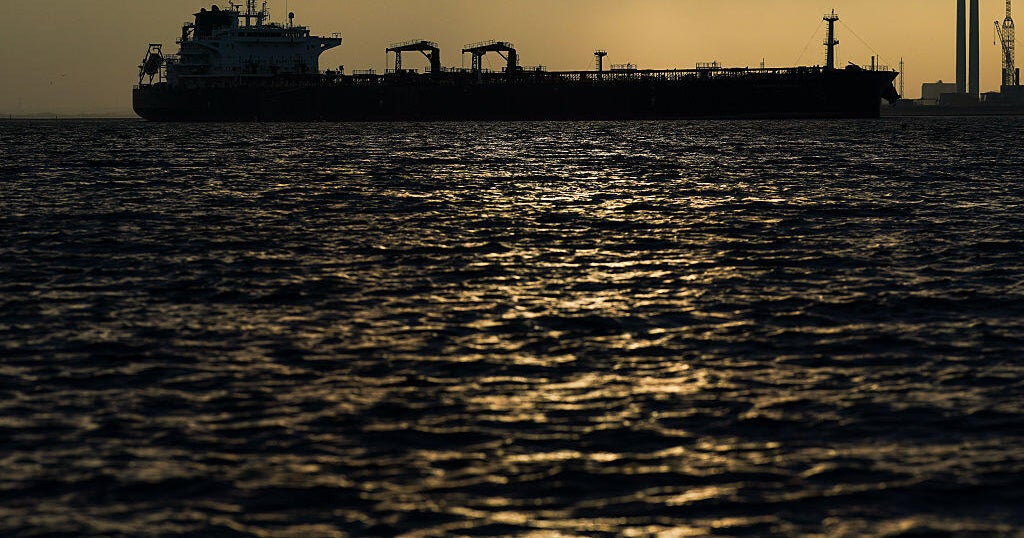
The United States has temporarily eased sanctions on Russian oil, allowing the purchase of petroleum products that were already loaded onto ships before the announcement. Treasury Secretary Scott Bessent disclosed on Thursday that this authorization would last for one month, applying only to Russian oil currently at sea. According to U.S. officials, approximately 124 million barrels of Russian oil are presently in transit globally. The move is intended to alleviate disruptions in global energy markets amid soaring oil prices and supply constraints caused by ongoing conflicts in the Middle East.
Bessent described the measure as “narrowly tailored” and emphasized that it would not significantly benefit the Russian government financially, since Russia’s energy revenues primarily come from taxes assessed at the point of extraction rather than sales of oil already shipped. He stated that the policy aims to “increase the global reach of existing supply” as the U.S. and Israel’s military actions against Iran have severely restricted commercial shipping through the Strait of Hormuz, a critical chokepoint that normally handles about 20% of the world’s oil trade. The resulting blockade and attacks on vessels have contributed to Brent crude prices rising above $100 per barrel, up from around $72 before the conflict escalated.
The decision to ease sanctions has drawn mixed reactions internationally. Russian officials welcomed the move, with Kremlin envoy Kirill Dmitriev calling it an acknowledgment of Russian energy’s importance in stabilizing global markets. Dmitriev urged further relaxation of restrictions on Russian energy exports, despite opposition from European Union bureaucrats. Russia’s spokesperson Dmitry Peskov also noted that Washington’s efforts to stabilize energy markets align with Russia’s interests. Meanwhile, some Russian commentators viewed the easing as a significant shift from previous tightening of sanctions, although they acknowledged the immediate impact might be limited.
Conversely, European governments expressed concern and opposition to the U.S. policy change. The United Kingdom, Germany, and Norway reaffirmed their commitment to maintaining sanctions on Russian oil, fearing that the U.S. decision could strengthen Russia’s financial position and undermine efforts to pressure Moscow over its invasion of Ukraine. British Foreign Secretary Yvette Cooper criticized the cooperation between Iran and Russia, accusing them of attempting to destabilize the global economy. The move also drew criticism from U.S. congressional Democrats, who warned that loosening sanctions could provide a financial boost to Russian President Vladimir Putin’s government and prolong the conflict in Ukraine. The complexities of managing simultaneous conflicts involving major energy producers have underscored the challenges facing global energy markets, with additional measures such as the International Energy Agency’s release of 400 million barrels of oil failing to bring immediate relief to prices.



Be First to Comment