Key takeaways:
- The Pentagon briefing addressed a recent U.S. military tanker crash in Iraq, confirmed not caused by hostile fire, while highlighting a 90% reduction in Iran’s missile capabilities after targeting around 6,000 sites since February 28.
- The conflict has caused rising oil prices above $100 per barrel and stock market declines, prompting the U.S. to temporarily ease sanctions on Russian oil to alleviate global price pressures.
- U.S. officials have given mixed messages on the conflict’s progress, with public opinion divided and Iran asserting continued control over the Strait of Hormuz and ongoing attacks on Gulf Arab nations.
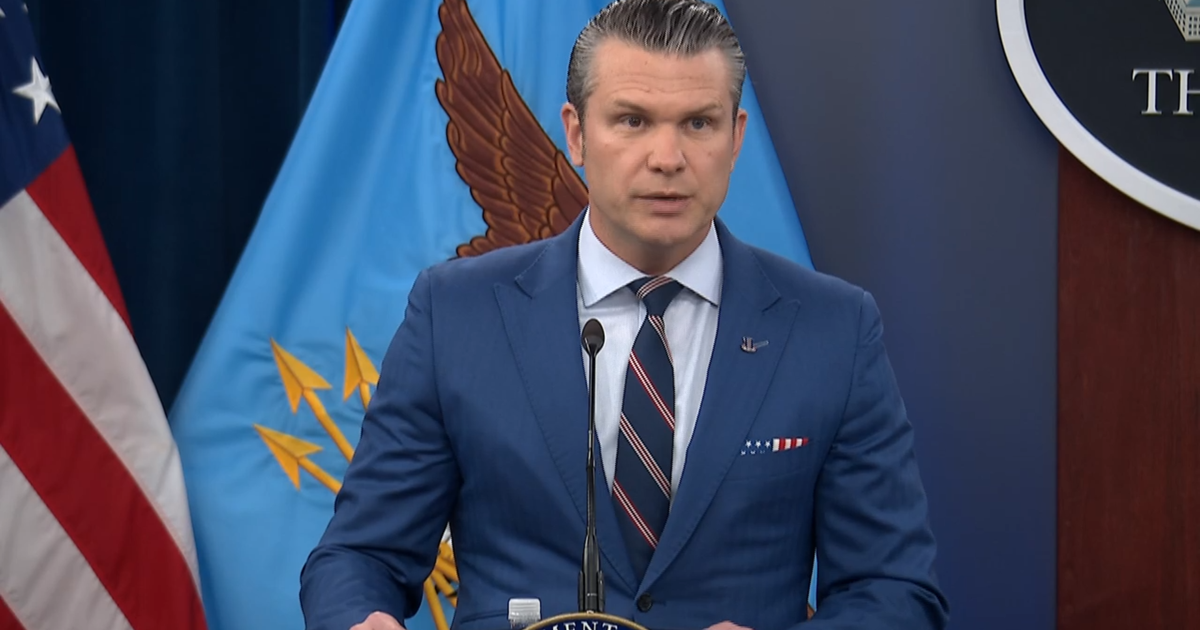
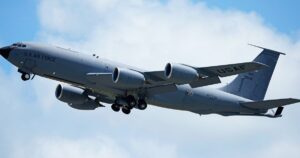
The Pentagon held a briefing on Friday to provide updates on the ongoing conflict between the United States and Iran, with Defense Secretary Pete Hegseth and Joint Chiefs Chairman Dan Caine addressing reporters. The briefing came a day after a U.S. military refueling tanker crashed in western Iraq, resulting in the deaths of at least four U.S. service members, with rescue efforts continuing for two others. U.S. Central Command stated that the crash was not caused by hostile or friendly fire, and the circumstances remain under investigation.
Secretary Hegseth reported a significant reduction in Iran’s missile capabilities, claiming a 90% decrease in missile volume and stating that all Iranian defense companies have been “functionally defeated” and will be destroyed. Since the conflict began on February 28, the U.S. military has targeted approximately 6,000 sites inside Iran. Despite these strikes, Iranian attacks have persisted, contributing to rising oil prices, which have surpassed $100 per barrel, and causing declines in stock markets. The U.S. administration has also taken steps to ease sanctions on Russia temporarily to allow the sale of Russian oil already at sea, aiming to address global oil price pressures.
The conflict’s strategic objectives and progress have been characterized by varying statements from U.S. officials, reflecting shifts in messaging over time. President Donald Trump initially described the military actions as “major combat operations” expected to conclude within weeks, but later offered conflicting remarks, at times declaring the war “won” and at other times emphasizing the need to “finish the job.” The administration has consistently framed the conflict as a response to Iran’s refusal to negotiate and its ongoing nuclear and missile programs, with the stated goal of destroying Iran’s missile capabilities, neutralizing its navy, and preventing nuclear weapon development.
Public opinion appears divided, with a recent NBC News poll indicating that 54% of voters disapprove of the administration’s handling of the conflict and oppose the military action. The White House has rejected claims of mixed messaging, with Press Secretary Karoline Leavitt asserting that the administration’s objectives have been clearly communicated. Iranian state media recently released a statement attributed to Iran’s Supreme Leader Mojtaba Khamenei, who has not been publicly seen since the conflict began but is reported to be “alive and well.” The statement emphasized Iran’s intention to maintain control over the Strait of Hormuz and continue attacks on Gulf Arab nations. Meanwhile, maritime traffic through the Strait remains largely halted, although the U.S. Navy has indicated it may escort oil tankers through the area.

Be First to Comment