Key takeaways:
- Seven members of the Iranian women’s national soccer team stayed in Australia on humanitarian visas amid Middle East conflict, with six accepting permanent asylum and one returning to Iran; the rest of the team returned home after Iran’s elimination from the Asian Women’s Cup.
- The players’ initial silence during the national anthem sparked international attention and fears of repercussions from Iran’s government, while Australian officials ensured the women’s safety and freedom to decide without pressure.
- International reactions included criticism from former U.S. President Trump and denials from Iranian officials, with the Asian Football Confederation supporting the team now staying in Kuala Lumpur, Malaysia.
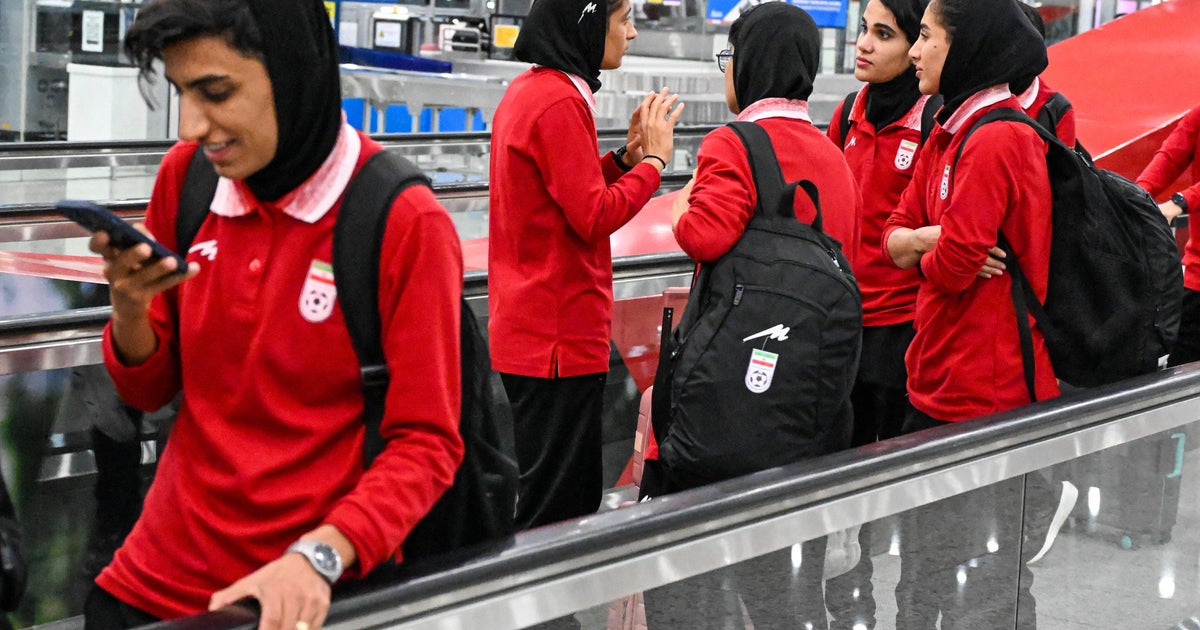
Seven members of the Iranian women’s national soccer team have remained in Australia after being granted humanitarian visas, while the rest of the team returned to Iran amid escalating conflict in the Middle East. The team had traveled to Australia to participate in the Asian Women’s Cup before hostilities involving the United States and Israel against Iran began on February 28. Iran was eliminated from the tournament over the weekend, prompting concerns about the players’ safety upon their return.
Australian Home Affairs Minister Tony Burke confirmed that six players have accepted permanent asylum in Australia, with a seventh initially accepting asylum but later deciding to return to Iran. Burke explained that the woman who changed her mind did so after conversations with teammates who had already left and was advised to contact the Iranian embassy to arrange her departure. Following this development, Australian officials relocated the six remaining women to a new secure location to protect their identities and safety. Burke emphasized that the Australian government ensured the women were given the opportunity to make their own decisions without pressure, with interpreters facilitating private discussions at Sydney Airport before the team’s departure.
The situation attracted significant public and international attention, particularly after the Iranian team’s first match in Australia on March 2, when the players remained silent during their national anthem. This act was interpreted by some as a form of protest or mourning, though the players have not publicly explained their actions. Subsequent matches saw the team sing the anthem, and Iranian state media branded the players as “traitors.” Iranian Australian groups expressed fears that the women could face severe repercussions from Iran’s theocratic government for their initial silence. Supporters in Australia protested at the team’s hotel and airport, urging the women to stay.
The episode also drew comments from international figures, including former U.S. President Donald Trump, who criticized Australia for not offering asylum to all the players and pledged that the United States would accept them if Australia did not. Iranian officials, however, rejected claims that the players would face danger upon returning. Esmaeil Baqaei, spokesperson for Iran’s foreign minister, invited the players to return home, stating that Iran “awaits you with open arms.” Meanwhile, Mehdi Taj, head of Iran’s soccer federation, accused Australian authorities of kidnapping the players and suggested the incident could jeopardize Iran’s participation in the upcoming FIFA World Cup hosted by the U.S., Canada, and Mexico. The Asian Football Confederation confirmed the team was staying in a hotel in Kuala Lumpur, Malaysia, and pledged to support the players and officials during their stay.





Be First to Comment