Key takeaways:
- Oil prices have surged due to the Middle East conflict disrupting shipping through the Strait of Hormuz, with Iran threatening attacks on transiting ships and limited passage continuing amid heightened tensions.
- Russia is benefiting economically from rising energy prices, with increased oil revenues potentially boosting its military spending in Ukraine, while European leaders acknowledge Russia as the main beneficiary of the crisis.
- The conflict is intensifying with attacks on Gulf Arab countries, increased military responses from the U.S. and Israel, NATO deployments in Turkey, and diplomatic efforts involving Ukraine and Western nations to address regional security and energy supply concerns.
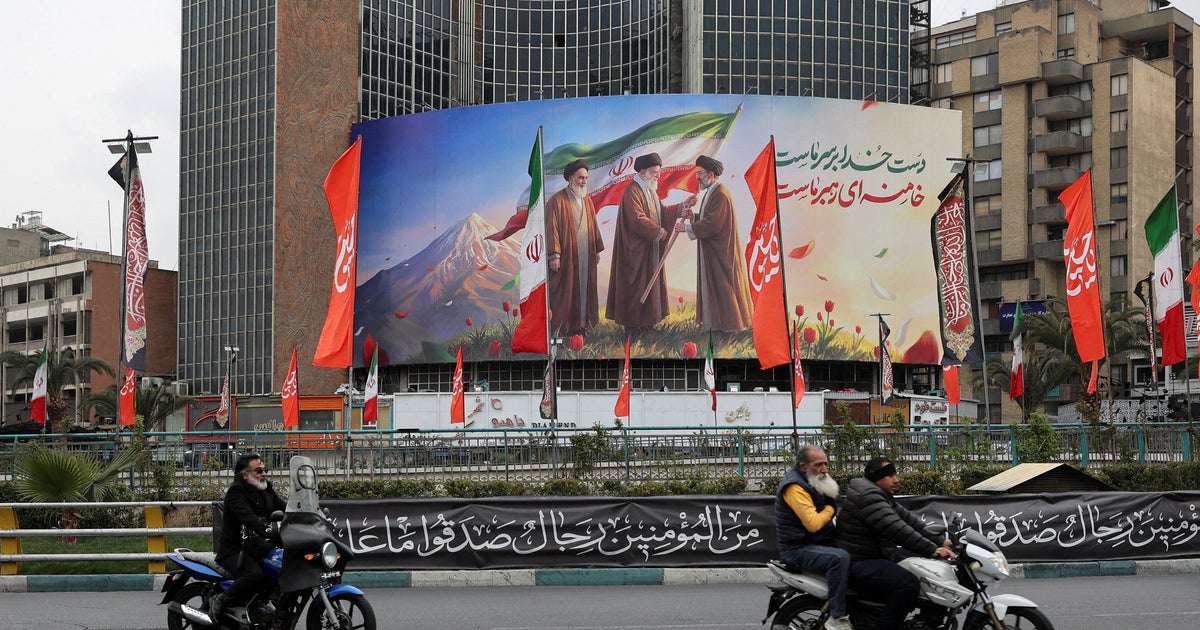
Oil prices have surged amid escalating conflict in the Middle East, drawing significant attention and military resources from the United States and its allies. The ongoing war, now in its 11th day, has disrupted shipping through the Strait of Hormuz, a critical chokepoint for global oil supplies bordered by Iran. Although oil prices have eased somewhat since peaking on Sunday at levels not seen since Russia’s invasion of Ukraine, they remain elevated due to the near halt in maritime traffic. Iran has issued warnings that it would “set fire” to any ships attempting to transit the waterway, though limited passage has continued.
The conflict has had notable geopolitical and economic repercussions, with Russia emerging as a key beneficiary. European Council President António Costa stated on Tuesday that Russia is currently the sole winner in the conflict, as rising energy prices bolster its economy, which heavily depends on energy exports. Russian President Vladimir Putin, addressing officials at the Kremlin, emphasized the importance of Russian energy companies capitalizing on the situation. He also suggested that the European Union might reconsider its efforts to reduce dependency on Russian energy, hinting at potential long-term cooperation. Russian media highlighted the prospect of oil prices surpassing $150 per barrel, while pro-Kremlin commentators noted the strain on Western nations’ fuel supplies.
Analysts have indicated that the duration of the Middle East conflict will determine the extent of Russia’s economic gains. Petras Katinas, a research fellow at the Royal United Services Institute, explained that the discount Russia typically applies to its oil to offset sanctions risks has been shrinking since the crisis began. A prolonged conflict could thus significantly increase Russia’s oil revenues, potentially enabling higher military spending for its ongoing war in Ukraine. James Henderson of the Oxford Institute for Energy Studies noted that additional funds would likely be allocated to Russia’s military efforts, complicating peace negotiations in Ukraine, which have stalled amid shifting U.S. priorities.
Meanwhile, the Middle East war continues to intensify. Iranian forces have launched attacks on petroleum-producing Gulf Arab countries, including a drone strike on an apartment building in Bahrain that killed one woman. U.S. Defense Secretary Pete Hegseth described Tuesday as the most intense day of strikes on Iran to date, claiming a 90% degradation in Iran’s missile launch capacity. Israeli Prime Minister Benjamin Netanyahu vowed to continue and escalate strikes against Iran and Hezbollah in Lebanon. In response to the heightened threat environment, NATO has deployed a U.S.-made Patriot missile defense system to southeastern Turkey near a key radar station, bolstering regional air defenses. The U.S. State Department has also ordered non-emergency personnel to leave its consulate in Adana, Turkey, reflecting concerns about the conflict’s regional spillover.
In diplomatic developments, Ukraine’s President Volodymyr Zelenskyy announced that Ukraine has sent support teams to the United Arab Emirates, Qatar, and Saudi Arabia to assist countries facing Iranian attacks. Meanwhile, U.S. officials, including special envoy Steve Witkoff, have stated that Russia has denied sharing intelligence with Iran, though the Kremlin has not officially commented on such cooperation. Republican Senator Lindsey Graham called for regime change in Iran, asserting that victory in the conflict would require removing the current leadership. Additionally, leaders from the United Kingdom, Germany, and Italy have discussed the importance of maintaining freedom of navigation through the Strait of Hormuz, underscoring the international community’s concern over the conflict’s impact on global energy security.



Be First to Comment