Key takeaways:
- Israeli airstrikes on Tehran’s oil facilities caused severe damage, environmental hazards including toxic rain, and forced residents indoors, with Iranian authorities condemning the attacks as chemical warfare.
- The strikes intensified regional tensions, revealed differing U.S. and Israeli strategic approaches, and led to heightened security measures amid widespread oil runoff and environmental contamination.
- Global oil markets reacted sharply with prices surging over 20%, while U.S. President Trump expressed confidence in a near-term resolution and warned Iran against disrupting oil supplies further.
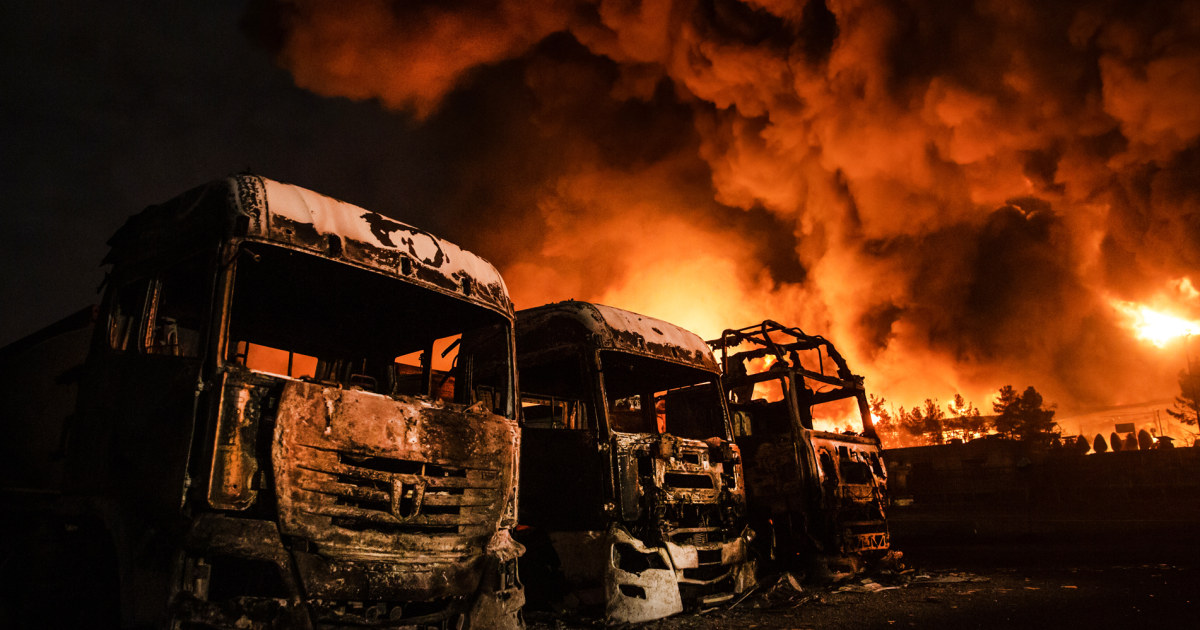
Tehran experienced severe damage and environmental hazards following a series of Israeli airstrikes on the city’s oil facilities, marking a significant escalation in the ongoing U.S.-Israeli conflict with Iran. Thick black smoke from the explosions turned daylight into near darkness, while toxic rain mixed with oil fell over parts of the city, forcing residents to remain indoors. Iranian authorities confirmed that multiple oil and gas installations were targeted, with the Aghdasieh fuel depot in the northern Tajrish district among the hardest hit. The Iranian Environmental Protection Organization issued warnings about the hazardous rain, which contained harmful hydrocarbons and acids capable of causing chemical burns and lung damage.
The Israel Defense Forces acknowledged responsibility for the strikes, which have intensified the already volatile situation in the region. Iranian officials condemned the attacks as acts of chemical warfare, accusing Israel and its allies of deliberately endangering civilian lives and the environment. Tehran’s streets were lined with oil runoff, and security personnel were seen wearing protective gear to manage the aftermath. The strikes have also highlighted differing strategic approaches between the U.S. and Israel, with analysts noting a lack of alignment in their risk tolerance and mission objectives during the conflict.
The conflict’s impact on global energy markets has been immediate and pronounced. Oil prices surged past $100 per barrel for the first time since mid-2022, with U.S. crude futures rising over 25% at one point and Brent crude climbing more than 20%. The disruption of Iran’s oil infrastructure and threats to the Strait of Hormuz, a critical chokepoint for global oil shipments, have raised concerns about prolonged supply shortages. Iranian parliamentary speaker Mohammad Qalibaf warned that elevated oil prices could persist for an extended period, reflecting the broader economic consequences of the conflict spreading across the Middle East.
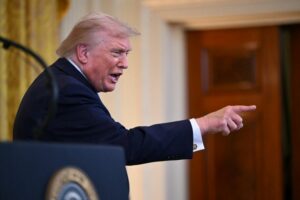
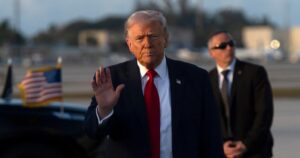
Meanwhile, U.S. President Donald Trump characterized the war as progressing ahead of schedule and expressed confidence in an imminent resolution, though he acknowledged it would not conclude within the week. Speaking from his Miami-area golf club, Trump emphasized the U.S. and Israel’s military successes, including the destruction of Iranian naval assets and thousands of targets. He also issued a stern warning that Iran would face even harsher consequences if it attempted to block oil supplies. Trump described the conflict as a “short-term excursion” aimed at eliminating a perceived threat, asserting that the U.S. would not relent until Iran’s leadership was decisively defeated. The president also referenced a recent phone call with Russian President Vladimir Putin, though details of their discussion have not been disclosed.


Be First to Comment