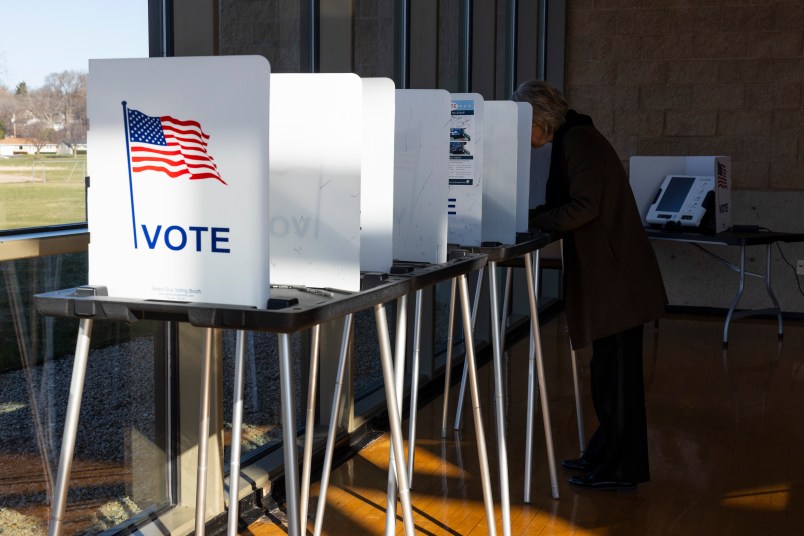
Chris Taylor wins a Wisconsin Supreme Court seat, expanding the liberal majority to 5-2. The victory continues a trend of Democratic-backed successes in the state’s high court races and could influence key issues like redistricting and voting rights.
Posts tagged as “The Wisconsin Supreme Court”
The Trump administration is rapidly advancing its agenda, often bypassing judicial checks and raising concerns about the erosion of legislative powers and due process. President Trump is set to announce a major expansion of trade barriers, introducing the largest set of new tariffs in decades, which will escalate the trade war and target sectors like imported cars and auto parts. Despite legal challenges, such as the U.S. District Judge dismissing a motion by the U.S. Institute of Peace, the administration continues to push forward, while other political and legal developments, including immigration policy disputes and campaign financing issues, highlight the complex landscape of U.S. politics.
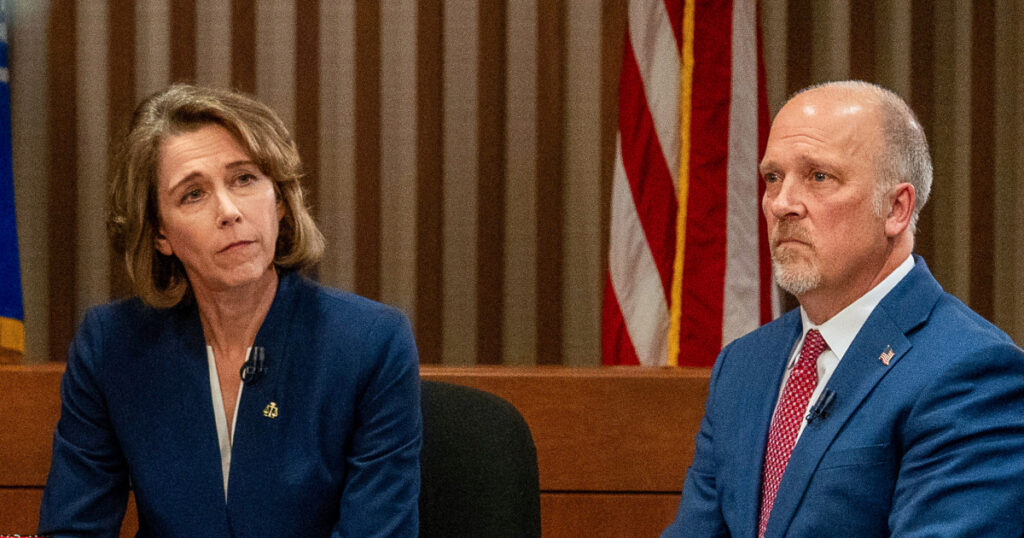
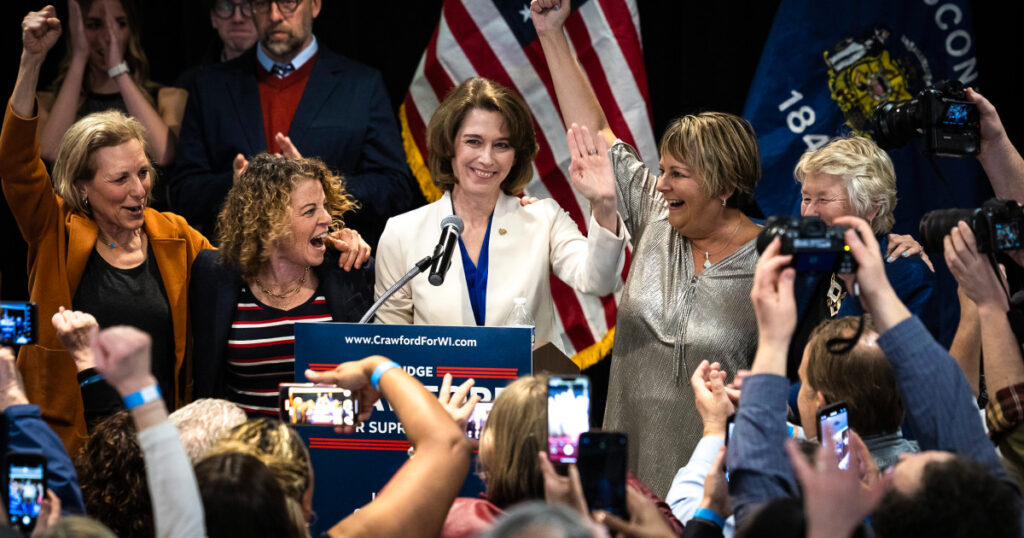
In a historic election, Wisconsin's state Supreme Court race became the most expensive judicial contest in U.S. history, drawing significant national attention as an early indicator of voter sentiment during President Trump's second term. The race, featuring Democrat-supported Judge Susan Crawford against Republican-backed Judge Brad Schimel, saw over $81 million in spending and involvement from high-profile figures like former President Trump and Elon Musk. Judge Crawford's victory is seen as a reflection of voter attitudes towards the current administration and is expected to influence future political strategies in this key battleground state.
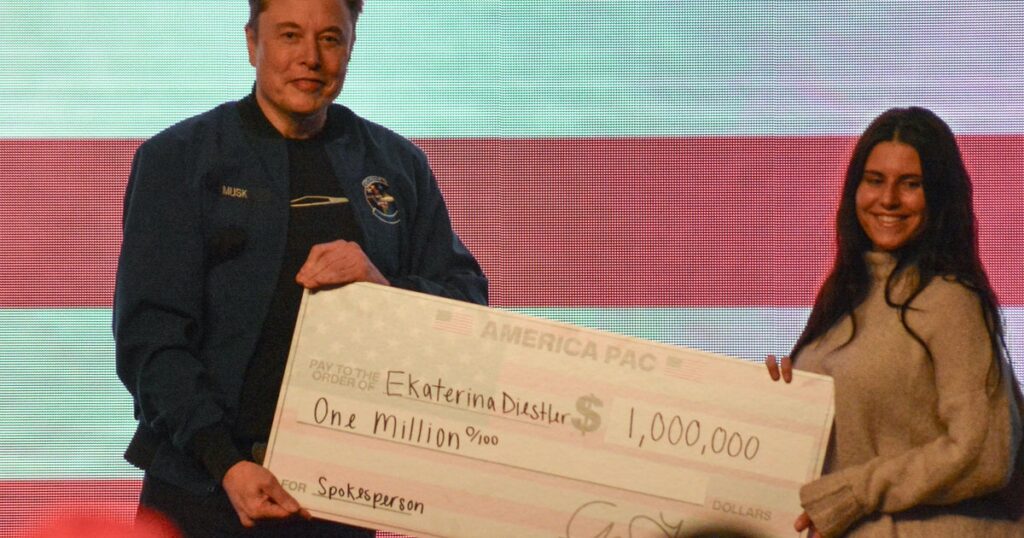
Elon Musk held a town hall event in Green Bay, Wisconsin, urging support for conservative candidate Brad Schimel in the state Supreme Court election, which he deemed crucial. Despite a legal dispute over Musk's financial contributions to voters, the Wisconsin Supreme Court declined to hear the case, allowing his $1 million checks to proceed. At the event, Musk also promoted his Department of Government Efficiency, emphasizing its mission to reduce federal waste and fraud, while defending its controversial actions.
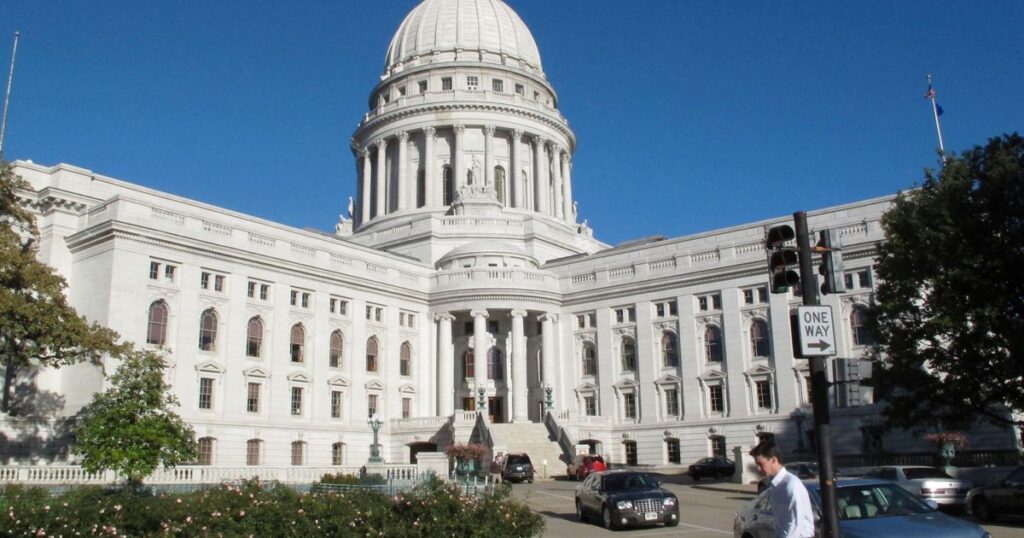
19 Democratic voters have filed a lawsuit in Wisconsin to declare the state's current legislative maps unconstitutional and to order new maps to be drawn by March 2024. Supporters of school choice and independent charter school programs are urging the court to reject the lawsuit, as it could create chaos for enrolled families. The court's new liberal majority will decide the outcome of the case, which has become a flashpoint for the state's purple politics.
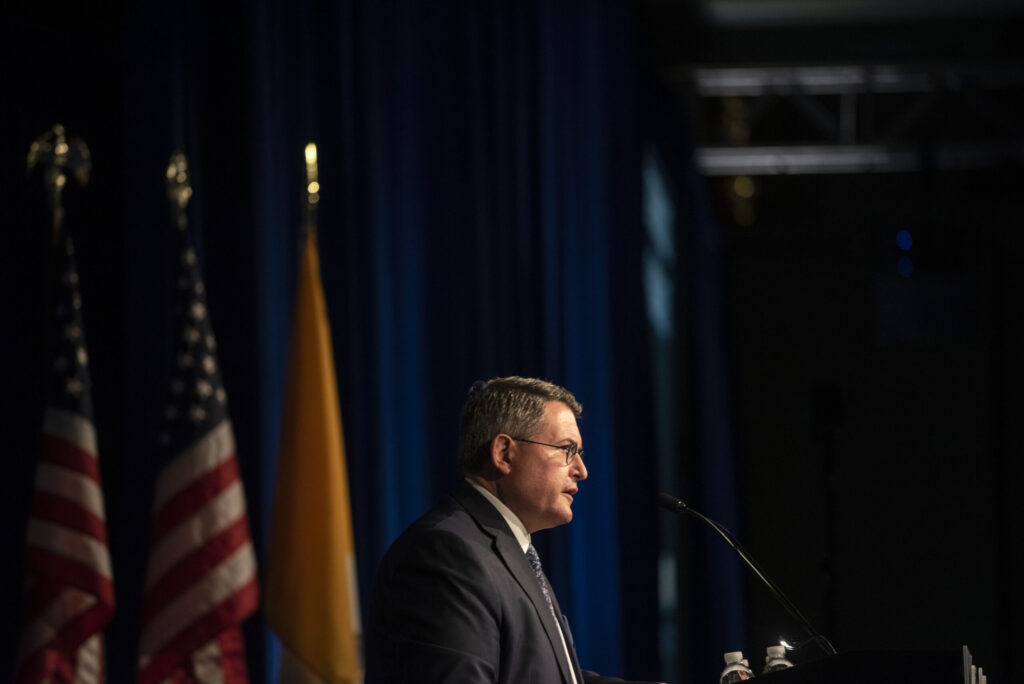
The Senate Judiciary Committee has announced plans to seek subpoenas for three influential conservatives as part of their investigation into Supreme Court ethics. This follows news reports about justices accepting gifts and trips from billionaires without disclosing them, as well as the Wisconsin Supreme Court's decision to shield Gov. Scott Walker from a criminal investigation. The committee is hoping the subpoenas will provide more information about the influence of wealthy donors on the Supreme Court.

Wisconsin Republicans have announced a plan to address the controversy surrounding the 2011 gerrymander, including the potential impeachment of newly elected Supreme Court Justice Janet Protasiewicz. Assembly Speaker Robin Vos has created a panel of three former Wisconsin Supreme Court justices to investigate impeachment criteria, and Governor Tony Evers has spoken out against the plan, calling it an attempt to "circumvent the will of the people". The panel is expected to make a recommendation to the Assembly, though it is unclear when action will be taken.
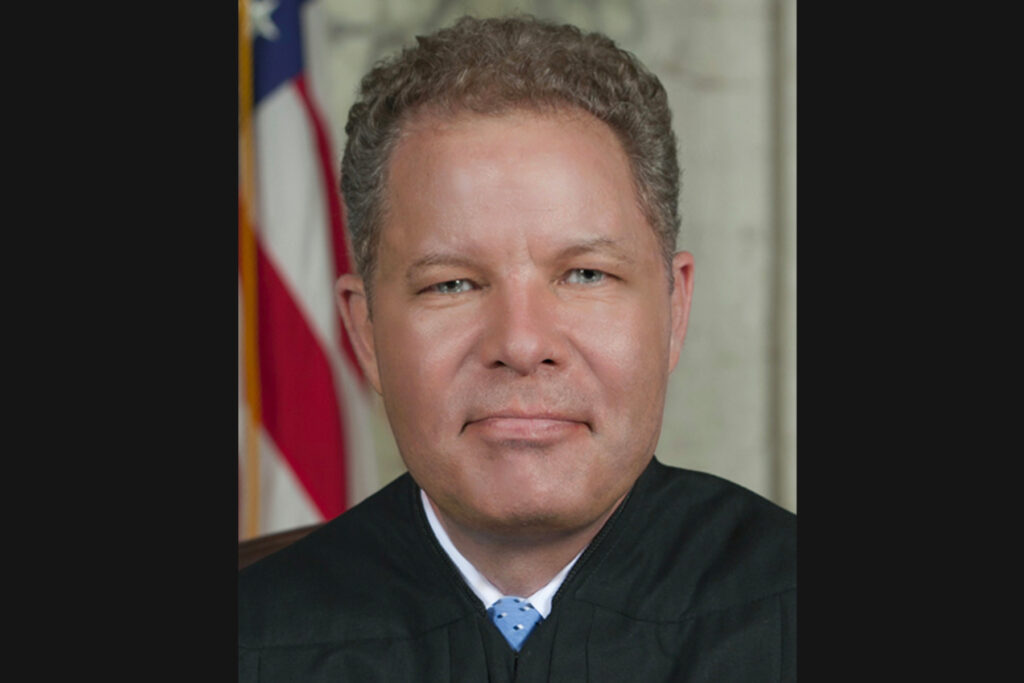
Janet Protasiewicz, Milwaukee County Judge, has won the Wisconsin Supreme Court election, defeating Dan Kelly by 11 points and potentially closing the door on an era of Republican dominance. Kelly expressed his disappointment in not being able to discuss the issues, and thanked his supporters for their efforts. This result marks a significant shift in the political landscape of Wisconsin, with implications for abortion rights, elections and maps.