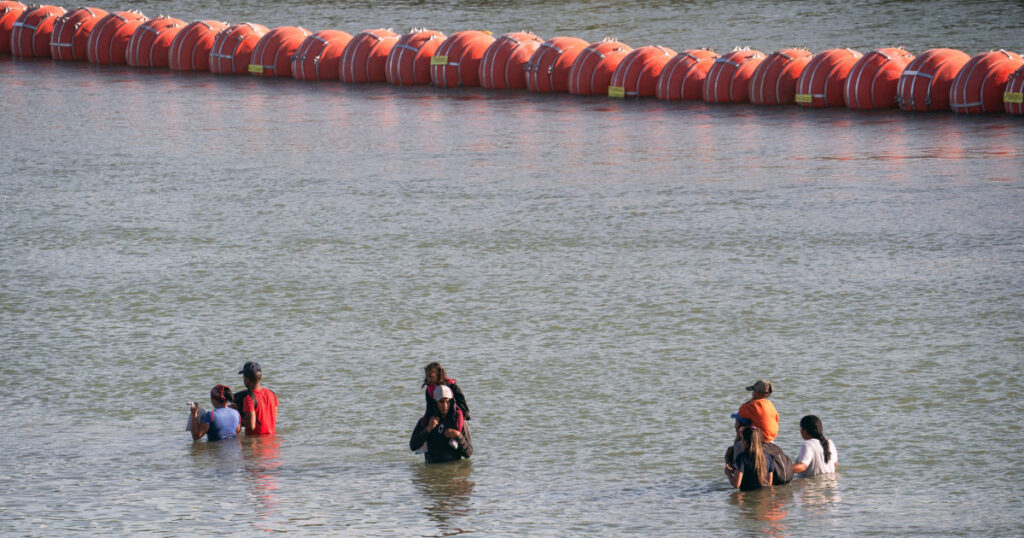
This week, a federal appeals court ruled 2-1 in favor of a lower court's finding that Texas' floating barrier on the Rio Grande, placed there by Governor Greg Abbott to deter illegal migrant crossings, was illegal. The court's decision requires Texas to stop any work on the barrier and move it to the riverbank, and is the second legal defeat for Texas this week over its border operations.
Posts tagged as “the Rio Grande”
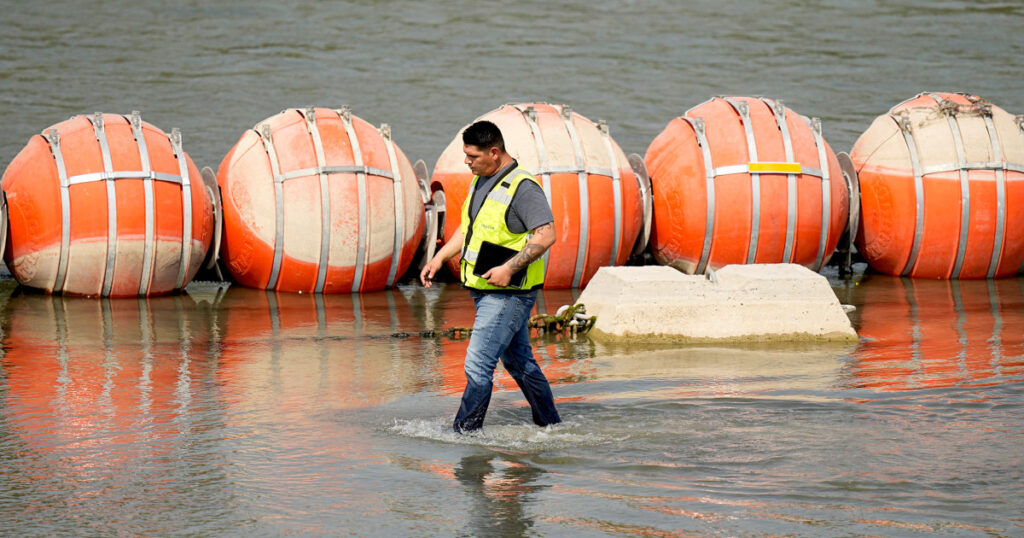
A federal appeals court has temporarily paused a lower court's ruling that would have required Texas to remove its controversial floating river barriers from the Rio Grande. The barriers, which are intended to deter migrants from crossing the U.S.-Mexico border, were installed by the state of Texas and will remain in place for the time being. The Justice Department had argued that the barrier was a violation of the U.S. Constitution and the International Boundary and Water Commission Treaty of 1970, while Texas argued that the barrier was necessary to protect the state from illegal immigration. The appeals court's decision is only temporary, and the case will continue to be litigated in the courts.
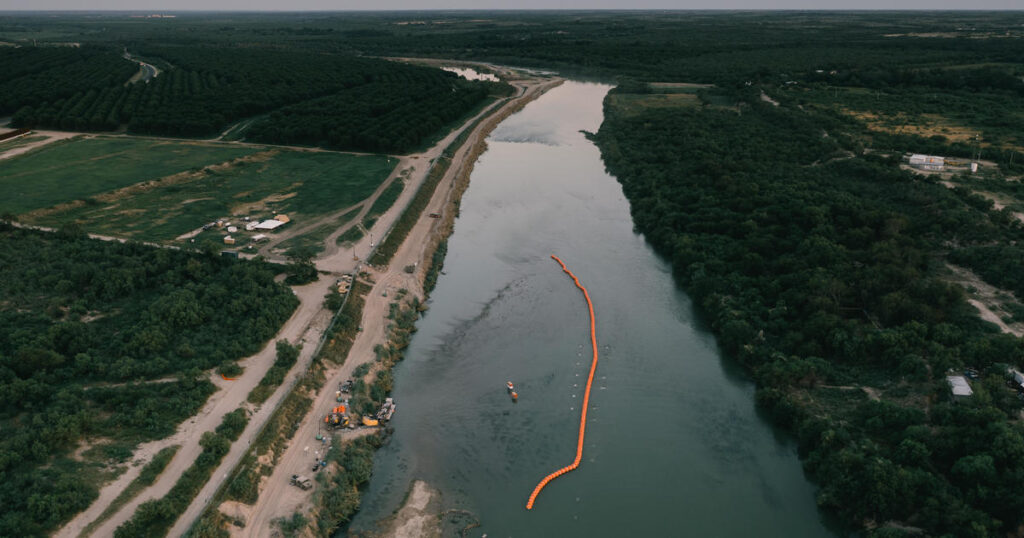
Mexican officials have reported the discovery of a body along a floating barrier recently installed in the Rio Grande by Texas authorities. The barrier was installed last month across from Eagle Pass, Texas, and is designed to make it more difficult for migrants to cross the river. Human rights groups have criticized the barrier, saying it puts migrants in danger and violates their rights. The Mexican government is investigating the death, which is the first reported since the barrier was installed.
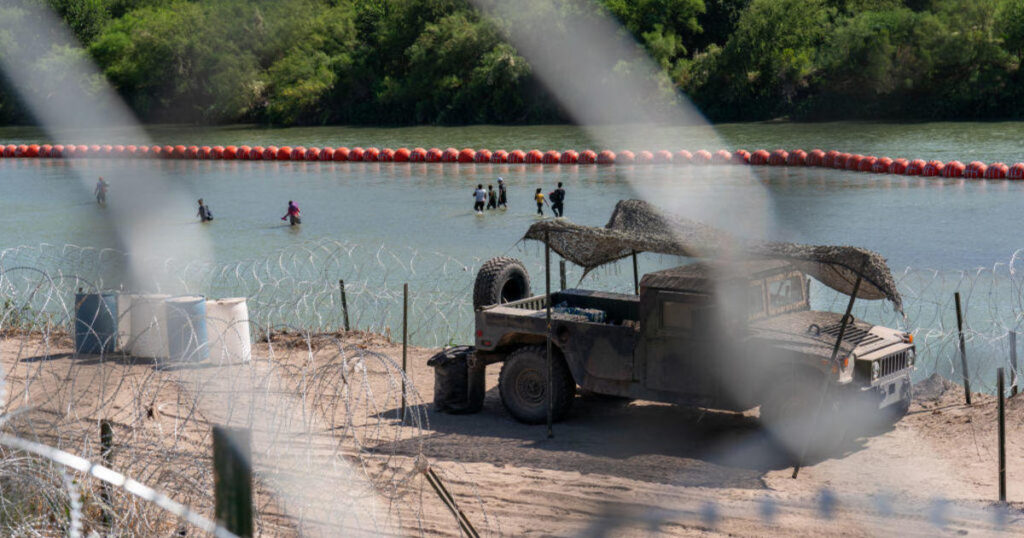
The Biden administration has filed a lawsuit against the state of Texas over the use of floating barriers in the Rio Grande, with White House Press Secretary Jen Psaki noting that the administration was "deeply concerned" about the situation. Texas Governor Greg Abbott has responded by claiming that the state faces an "invasion" and that they have no choice but to take drastic measures to protect the border. The lawsuit is the latest in a series of clashes between the Biden administration and Texas over immigration policy, with the court yet to rule on the case.
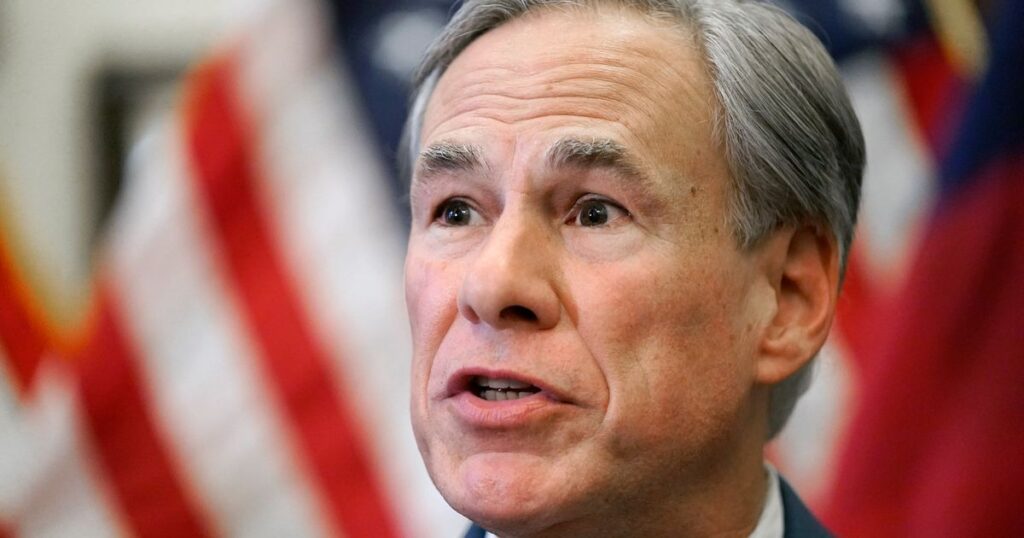
Texas Governor Greg Abbott has deployed miles of buoy barricades in the Rio Grande to repel migrant crossings, despite the Biden administration's threat to sue the state. In response, Abbott has declared his plans to continue using the barricade and has called on the Biden administration to enforce existing immigration laws and to secure the border. The Justice Department is expected to file a lawsuit against the state in the coming days, with the outcome of the legal battle having far-reaching implications for the future of border security in the U.S.
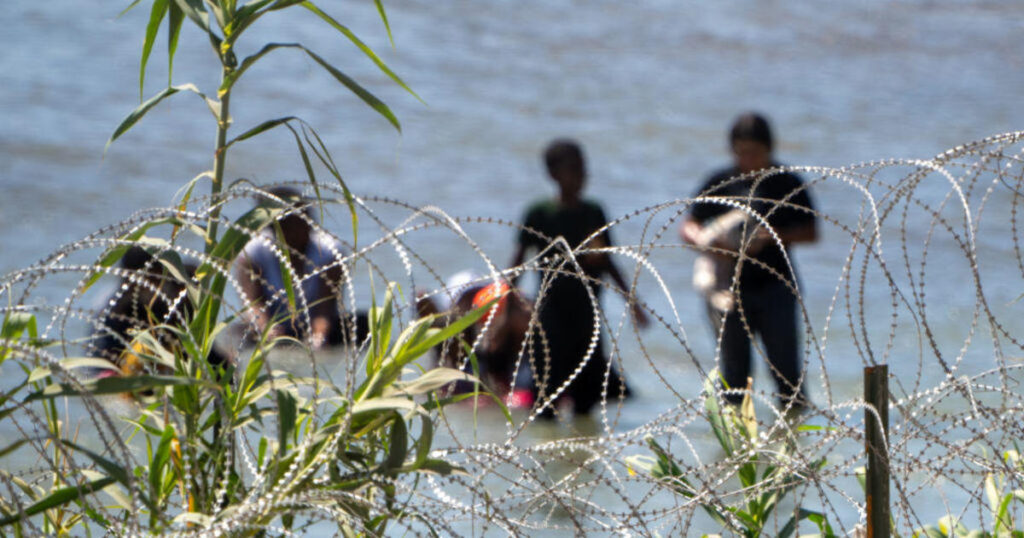
Texas state officials are under investigation for their efforts to deter illegal crossings along the U.S.-Mexico border, which have been criticized by human rights groups and the Biden administration for placing migrants, including children, at risk of drowning or being cut by razor wire. The internal complaint, now under investigation, is in relation to Operation Lone Star, a sprawling border effort led by Texas Governor Greg Abbott, a Republican. It is yet to be seen what action, if any, will be taken in response to the allegations.

Ariana Grande and Dalton Gomez have confirmed their separation after two years of marriage. Rumors of the split began to swirl after Grande was spotted without her wedding ring, but Grande has since said that she is not getting a divorce. The two are still on good terms and are working on their friendship.
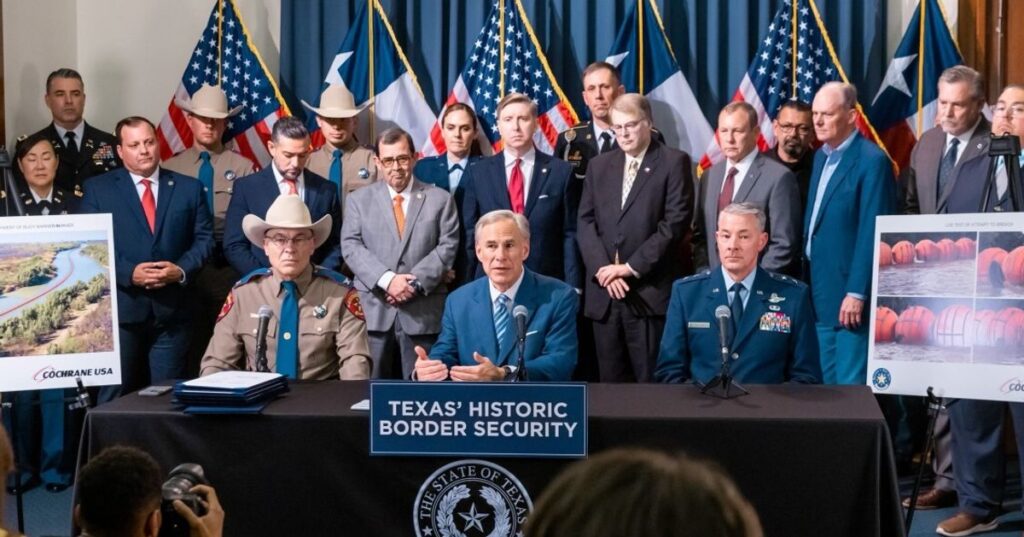
Texas Governor Greg Abbott announced Thursday that the state will be taking steps to secure its border with Mexico with a “water-based barrier” of buoys in the Rio Grande, as well as a “virtual wall” of drones, sensors, and other technology. Abbott also signed six bills related to border security, aimed at increasing law enforcement presence, providing resources to local law enforcement, and increasing penalties for human smuggling. The governor said that the state is committed to ensuring the safety of its citizens and will continue to take steps to secure the border.