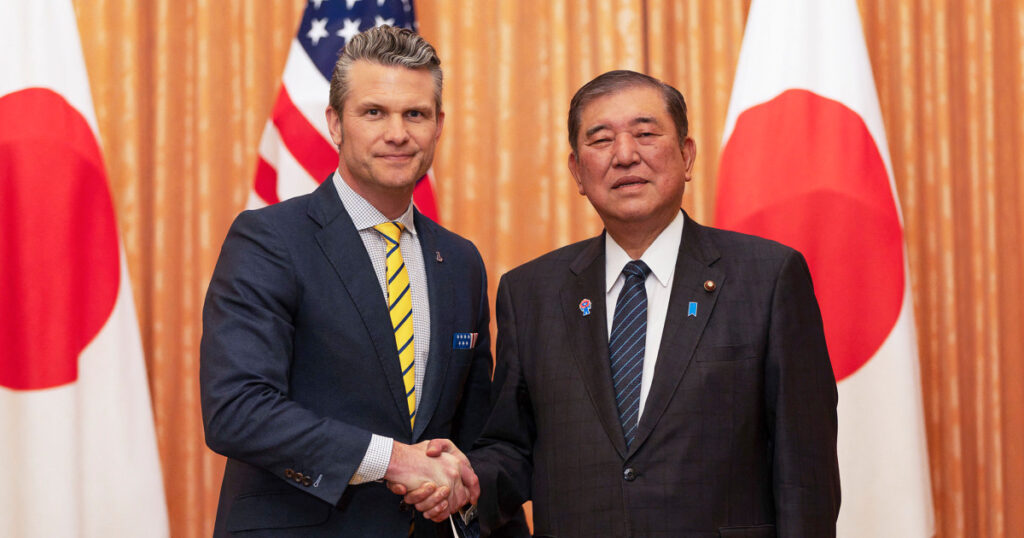
North Korea has criticized a recent agreement between Japan and the United States to co-produce air-to-air missiles, viewing it as part of a broader strategy by Washington to militarize Japan and increase regional security risks. This development, alongside China's announcement of large-scale military drills around Taiwan, underscores the heightened tensions in the region, with both North Korea and China perceiving these actions as threats to regional stability. As the geopolitical landscape becomes more complex, regional powers continue to grapple with issues of security and sovereignty, with Taiwan's pursuit of independence and the U.S.-Japan military collaboration adding to the discourse.
Posts tagged as “Taiwan”

China's military conducted long-range, live-fire drills in the East China Sea, escalating its exercises around Taiwan as a warning against seeking formal independence. These drills, involving various branches of the military, coincide with heightened rhetoric from China against Taiwan's President Lai Ching-te and have drawn criticism from the United States, which is concerned about regional stability. The situation highlights ongoing tensions, with China asserting its claims over Taiwan while most Taiwanese citizens support maintaining their de-facto independence, prompting international observers to closely monitor the potential for conflict.
The White House and the Congressional Hispanic Caucus (CHC) met on Saturday to discuss a potential immigration deal, however progress has been slow and a deal is unlikely to be reached before Christmas. The chamber is not set to reconvene until Jan. 9, meaning any aid for Ukraine, Israel, and Taiwan will be delayed until then. The White House and the CHC have yet to reach an agreement on the immigration deal.

Key takeaways: The balloon was spotted southwest of the northern port city of Keelung on Thursday night, and continued east before disappearing. The incident highlights…
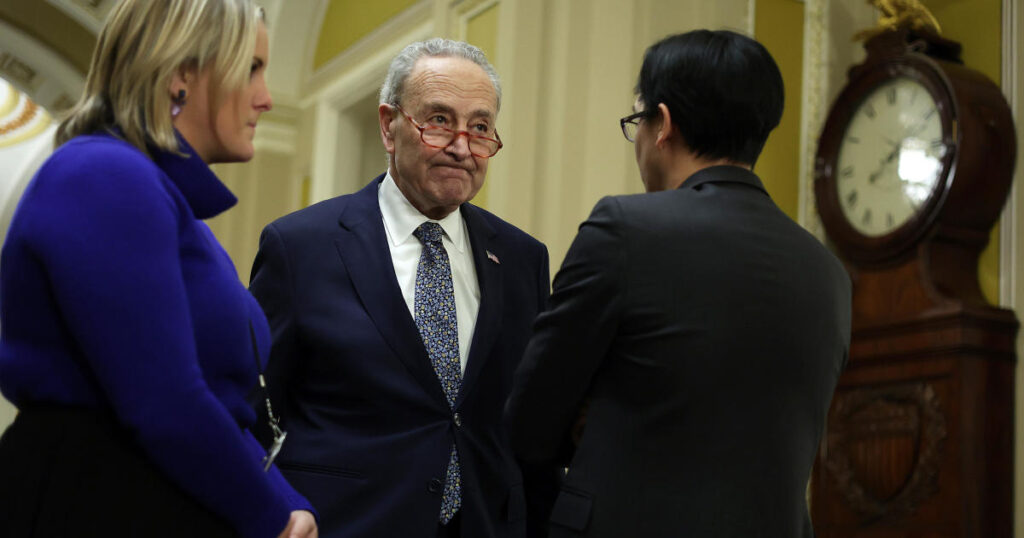
On Wednesday, the Senate failed to pass a key test vote on a bill that would approve tens of billions of dollars in emergency spending, including aid for Ukraine, Israel, Taiwan and other priorities. The vote was blocked by Republicans demanding stricter border security measures and Senator Bernie Sanders, who opposed aid to Israel without conditions. President Joe Biden has made a plea for the bill to be passed, but the future of the aid remains uncertain.
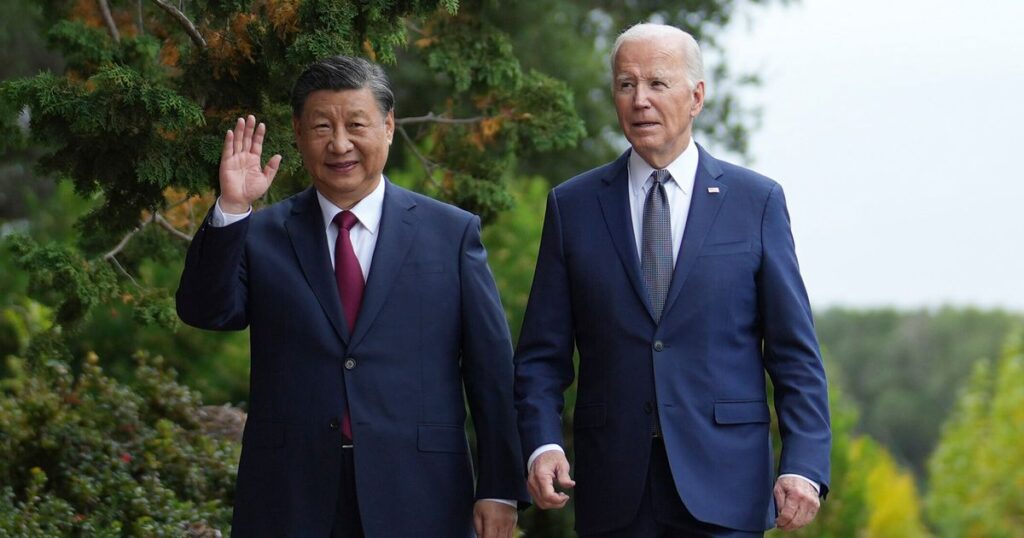
Yesterday, U.S. President Joe Biden and Chinese President Xi Jinping met in Woodside, California for a summit, the first time the two leaders had spoken in a year. The two sides discussed a number of topics, including plans to reduce the transport of fentanyl and the resumption of direct military talks. Despite remaining far apart on some key issues, the summit was seen as a positive step forward in the relationship between the U.S. and China, with Biden giving a thumbs up in response to shouted questions by reporters.

This week, the U.S. Senate is set to review a $105 billion national security supplemental request from the Biden administration, which includes aid to Ukraine and Israel, efforts to contain China, and tougher border security in the U.S. Meanwhile, House Republicans are planning to vote on an emergency aid package for Israel that does not include funding for other U.S. allies. Senate Majority Leader Mitch McConnell is advocating for the broader national security spending bill, while the House is pushing for a more targeted approach. The outcome of the Senate hearing and the House vote will be critical in determining the future of the Biden administration's national security spending bill.
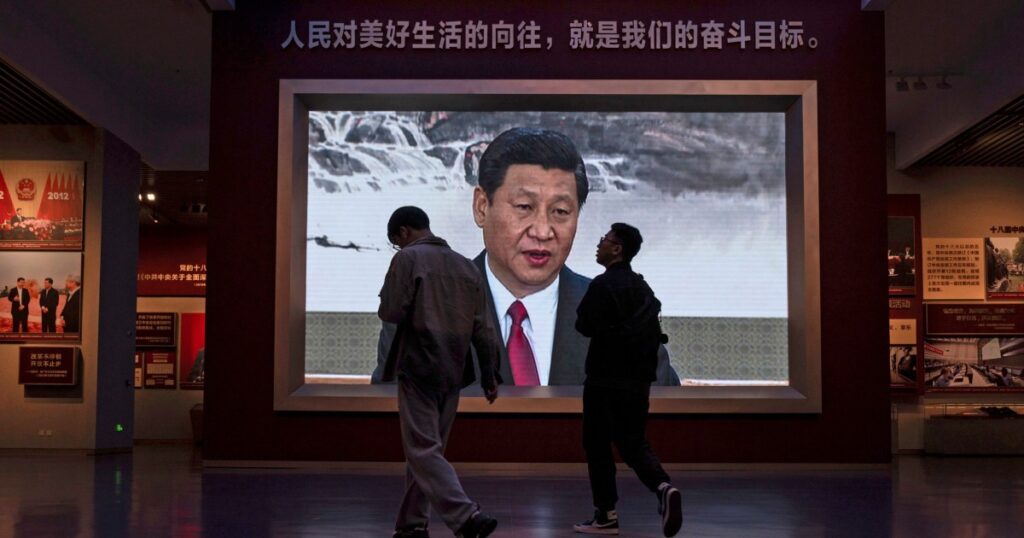
The Pentagon released a report on Thursday detailing China's increasing military power, including a potential intercontinental missile system and nuclear weapons arsenal. In response, President Joe Biden sent Congress a detailed request on Friday to spend $106 billion in the coming year to help Ukraine and Israel defend themselves and counter China in the western Pacific. The request is a sign of the Biden administration's commitment to countering China's military buildup.