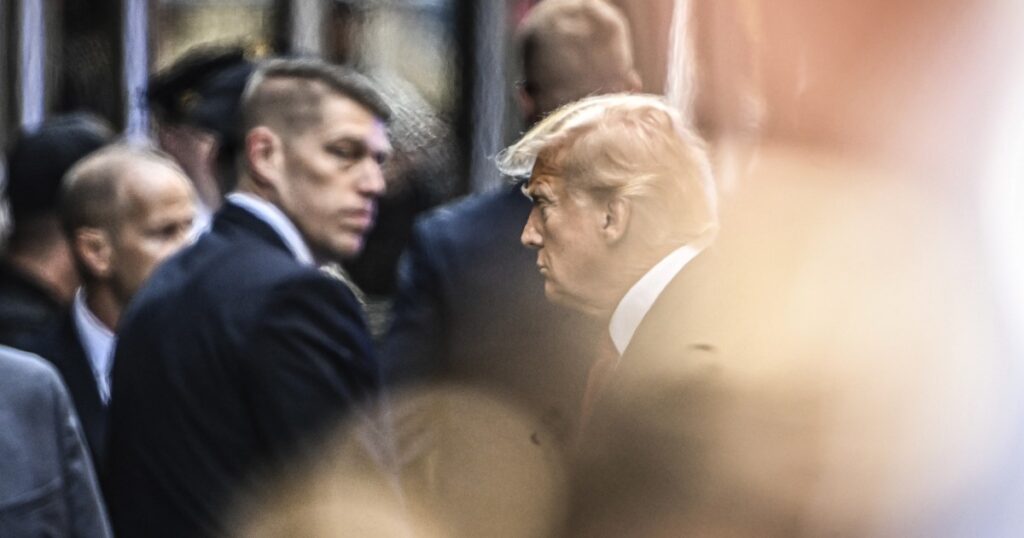
Donald Trump was arraigned on Tuesday in a Manhattan courtroom on 34 felony charges of falsifying business records. He pleaded not guilty to the charges, and was the first president in American history to be charged with a criminal offense. The court filings from the Manhattan district attorney's office included some surprises, and it is unclear what the outcome of the case will be.
Posts tagged as “Lower Manhattan”
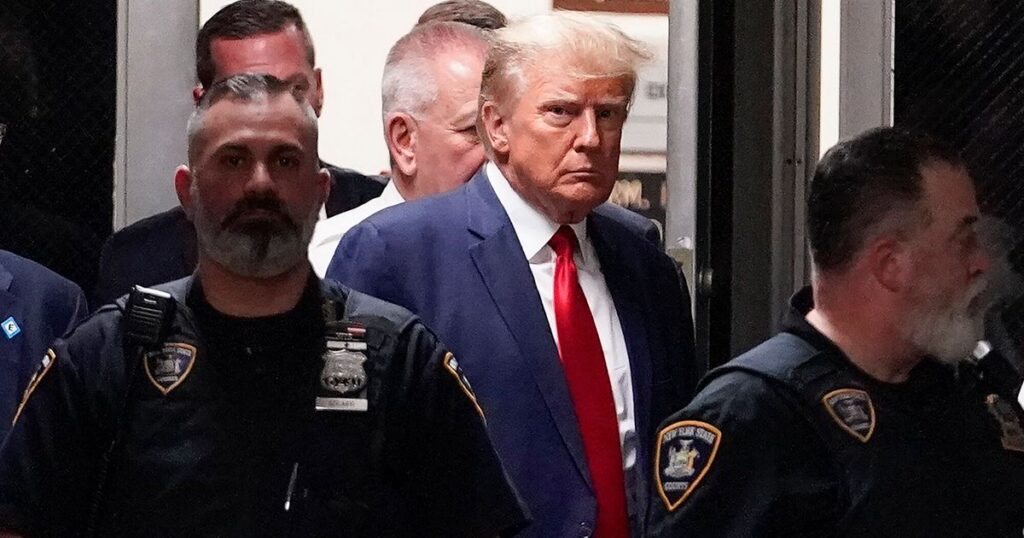
Former President Donald Trump has been indicted on 34 felony charges of falsifying business records to hide $130,000 in hush money paid during the 2016 presidential election. This is the first time in American history that a president has been fingerprinted and faced a judge in a criminal prosecution. If convicted, Trump could face up to four years in prison, with the trial set to begin in June.
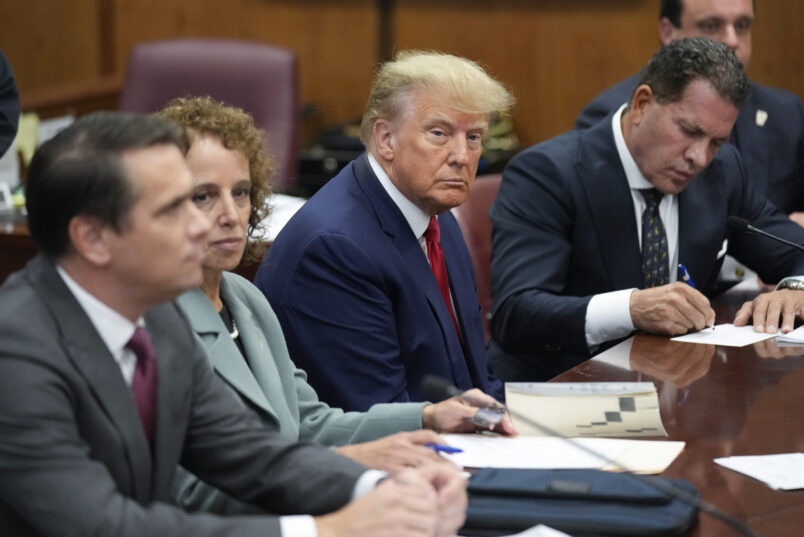
Former President Donald Trump has been indicted by a grand jury in connection with an investigation into his alleged role in a hush money payment scheme and cover-up involving adult film star Stormy Daniels. The indictment charges Trump with two counts of felony criminal conduct, including conspiracy to commit campaign finance violations and making false statements to the Federal Election Commission. The indictment alleges that Trump conspired with his former attorney Michael Cohen to make payments to Daniels in order to influence the 2016 presidential election. The consequences of the indictment remain to be seen, but the investigation is ongoing.
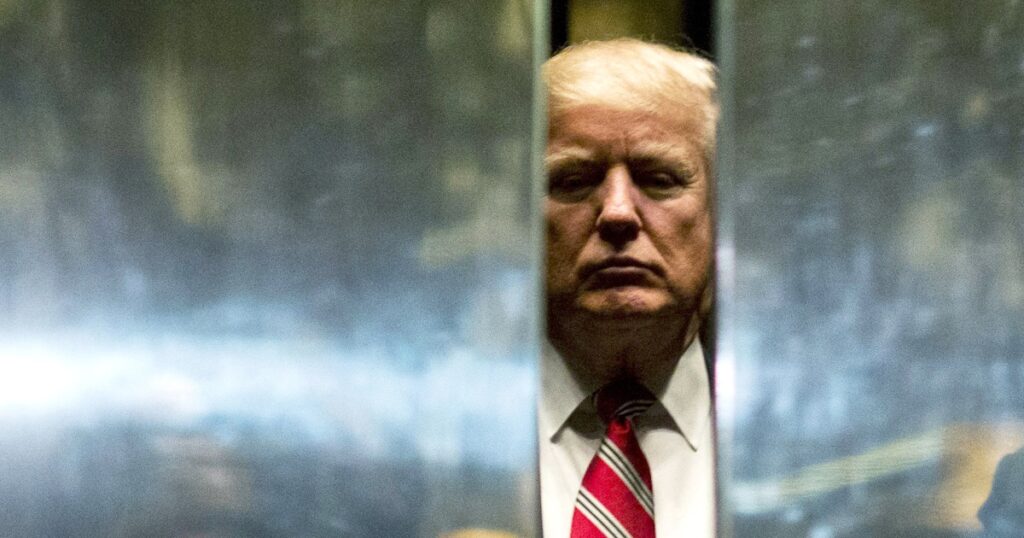
At the Pennsylvania GOP Leadership Conference, Florida Governor Ron DeSantis criticized Manhattan District Attorney Alvin Bragg for indicting former President Donald Trump on misdemeanor offenses, accusing him of weaponizing the law for "purely political purposes." This is the first indictment of its kind in US history and has sparked a debate among Republican lawmakers and former elected officials. DeSantis echoed this sentiment, saying that the indictment was an example of the law being "weaponized for political purposes." The indictment is the latest development in a long-running saga that has seen Trump and his allies face numerous legal challenges since he left office.
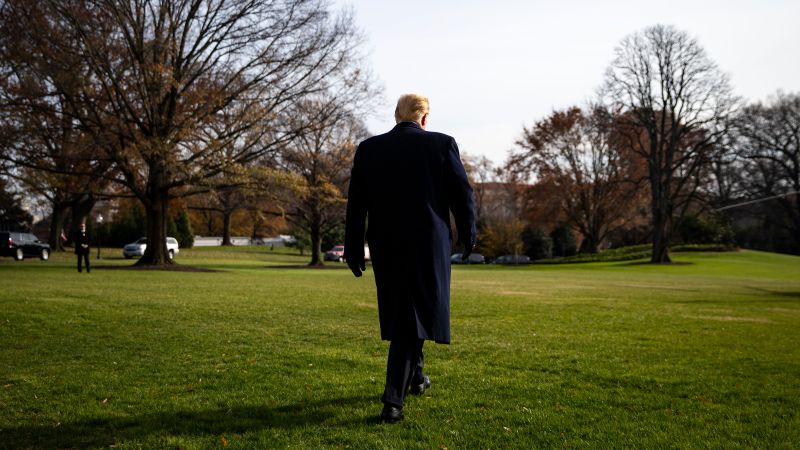
Former President Donald Trump is set to be the first US president to ever face criminal charges, as he is formally arrested and arraigned on Tuesday in his hush money case. The indictment, which remains sealed, was handed down by a Manhattan grand jury on Friday after a long-running investigation into Trump's business records and hush money payments. Trump had anticipated an indictment early last week, and had promoted a theory he would be "arrested".
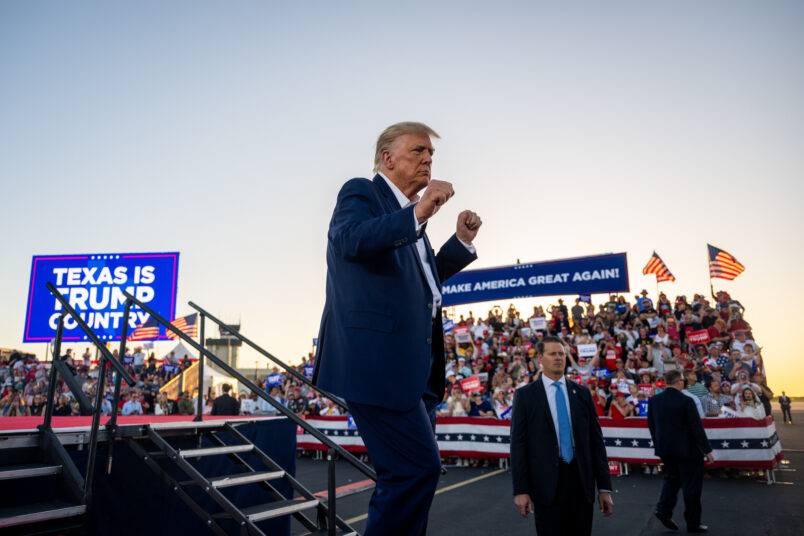
On Thursday, former President Donald Trump became the first president to be indicted while in office, as a Manhattan grand jury charged him in relation to the 2016 hush money payment scheme and cover-up involving adult film star Stormy Daniels. Trump is expected to appear in court on Tuesday for his arraignment, and his attorneys plan to file "substantial" legal challenges. The district attorney's office has been investigating Trump's alleged role in the scandal and the arraignment will be closely watched to see what legal strategies are presented and what the outcome of the case will be.
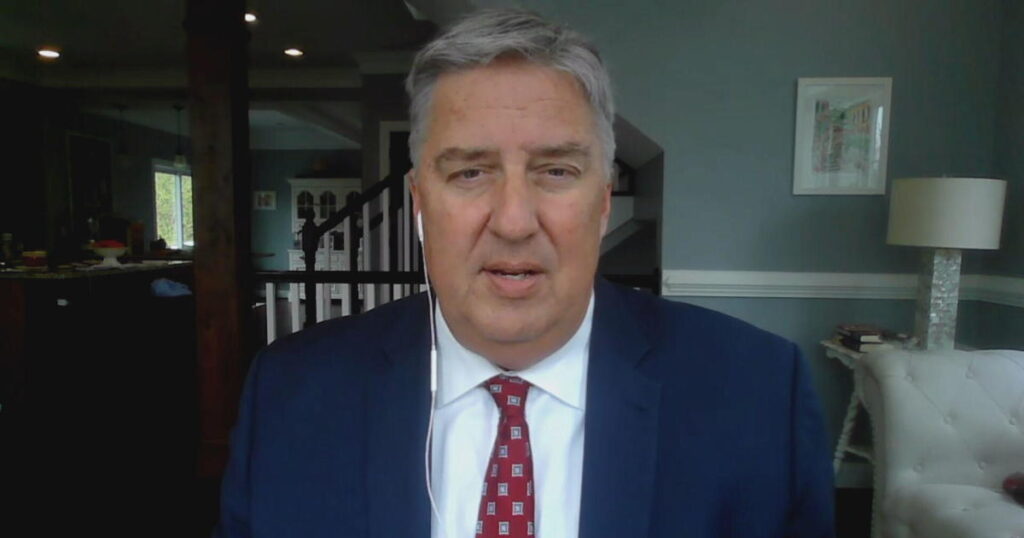
This article discusses the upcoming arraignment of former President Donald Trump in New York, the first time a former president has faced criminal charges. The case revolves around payments made in 2016 ahead of the election, which Trump denies any wrongdoing in. Trump's legal team is expected to quickly move to dismiss the case before it reaches trial.
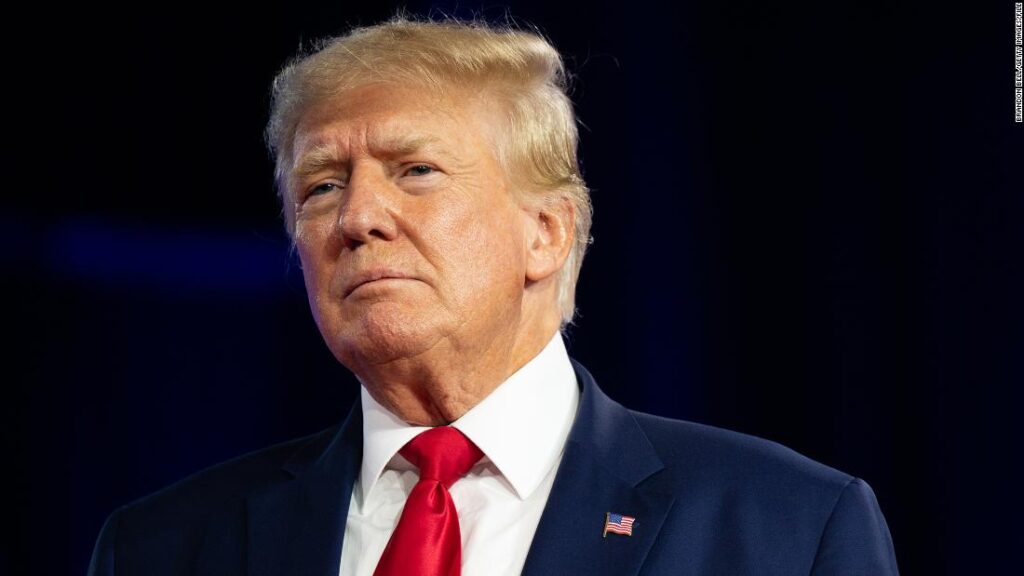
Former President Donald Trump was indicted by Manhattan District Attorney Alvin Bragg on Thursday, prompting a response from Republican lawmakers who criticized the decision as a politically-motivated "witch-hunt". Trump has yet to comment on the indictment, but he is entitled to challenge the charges in court and avail himself of all processes and protections that New York State’s criminal procedure affords. The indictment has sparked a heated debate among lawmakers, with the outcome of the case yet to be seen.