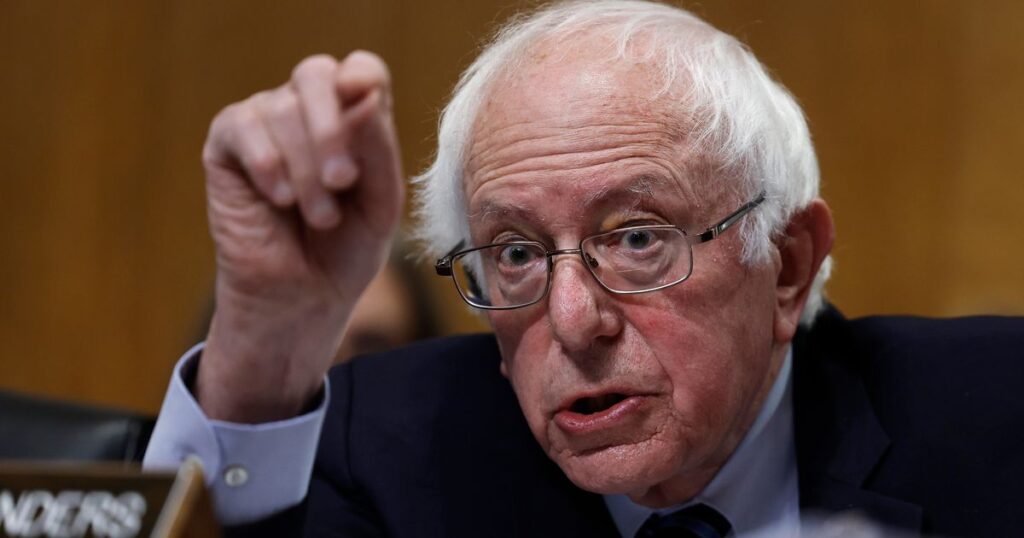
At a Senate hearing chaired by Senator Bernie Sanders, Howard Schultz, the former CEO of Starbucks, denied the company had violated workers' rights. Senator Sanders argued that Starbucks had engaged in illegal anti-union activities and had retaliated against workers who had tried to unionize. The hearing is part of a larger effort by Senate Democrats to ensure companies comply with labor laws and protect workers' rights, and it remains to be seen whether Schultz and Starbucks will be held accountable.
Posts tagged as “Howard Schultz”
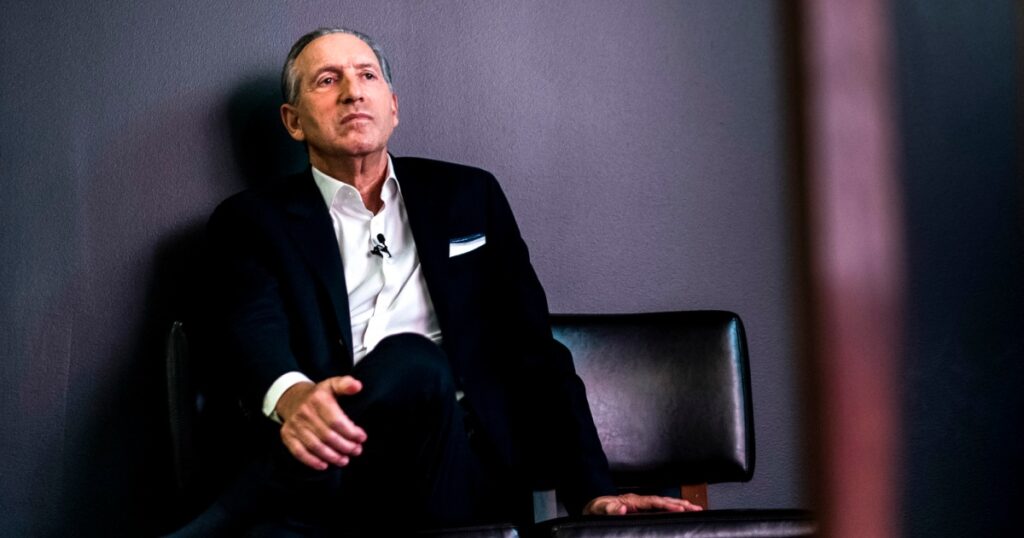
Former Starbucks CEO Howard Schultz is set to face off with Senator Bernie Sanders in a congressional hearing on Wednesday, titled "No Company Is Above the Law: The Need to End Illegal Union Busting at Starbucks". The hearing comes after weeks of clashes between Sanders and Starbucks, and will include testimony from Schultz and other witnesses. It is an opportunity for Starbucks to address labor practices and for Schultz to defend his record as CEO, and the outcome of the hearing remains to be seen.
New Starbucks CEO Laxman Narasimhan Commits to Working in Stores and Focusing on Customer Experience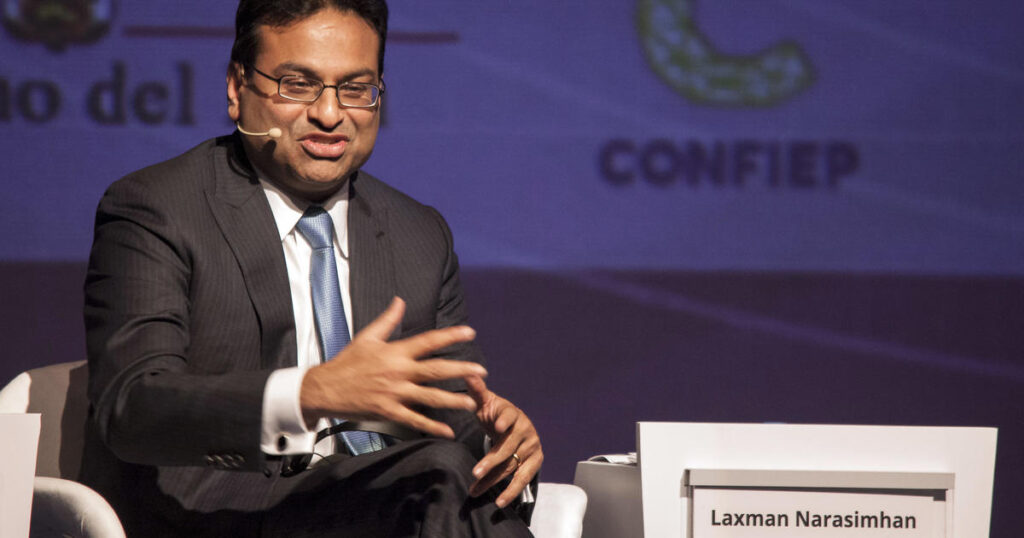
New Starbucks CEO Laxman Narasimhan Commits to Working in Stores and Focusing on Customer Experience
Laxman Narasimhan has taken over as Starbucks' new CEO, and has already begun to make his mark on the company. He has spent the past six months immersing himself in the company culture, including earning a barista certification and working in stores every month. Narasimhan is committed to focusing on the customer experience, and ensuring that Starbucks follows all labor laws.
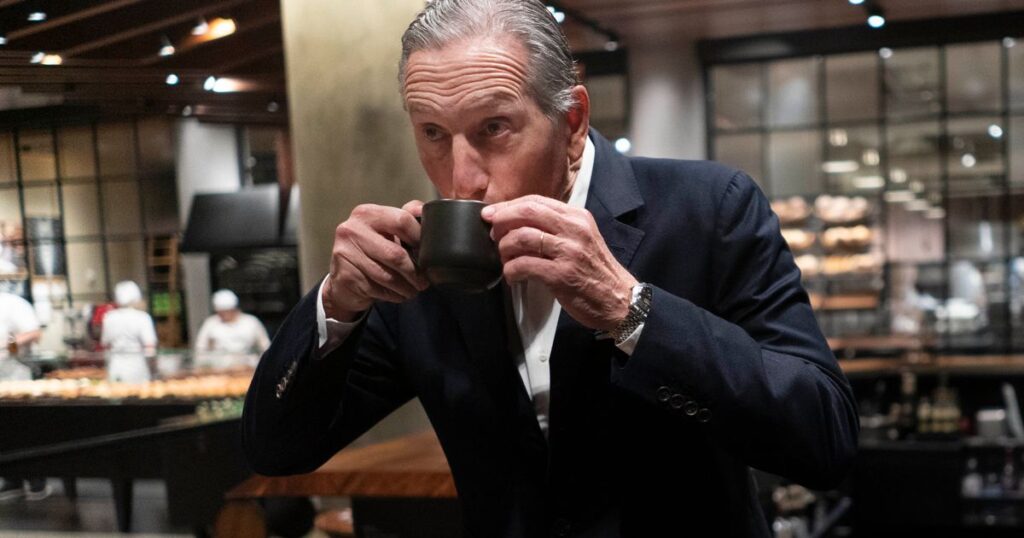
Starbucks CEO Howard Schultz has agreed to testify before a Senate committee investigating allegations of union-busting leveled against the coffee chain. Senator Bernie Sanders (I-Vt.) has been a vocal advocate for workers' rights and has recently released a book on Social Security and the future of jobs. The Senate panel was set to vote Wednesday to subpoena Schultz if he did not willingly agree to testify, but with Schultz now agreeing to appear, the vote is no longer necessary.
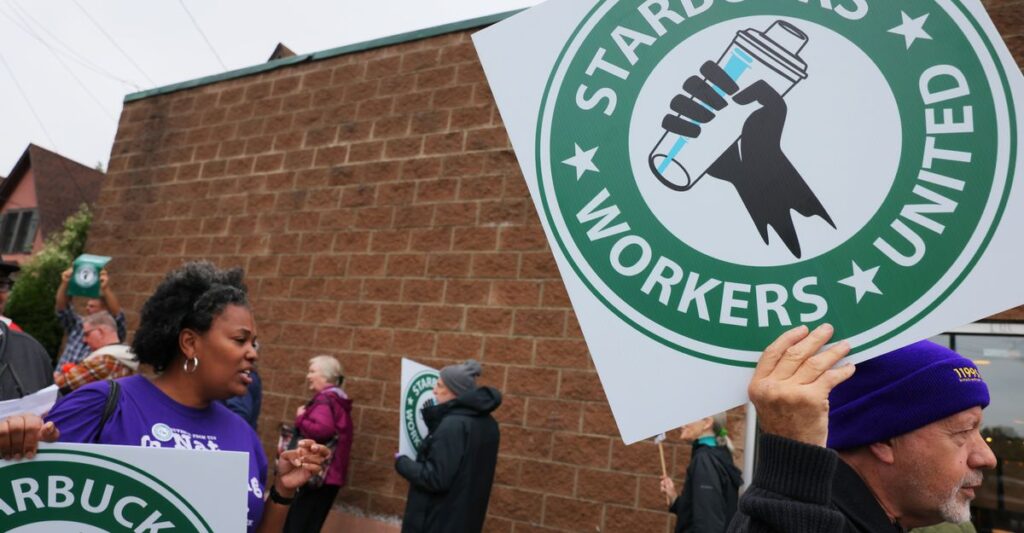
A federal labor judge has ordered Starbucks to reinstate seven fired workers, reopen a shuttered location, and stop infringing on workers' rights after finding that the company violated labor laws "hundreds of times". The ruling requires Starbucks to post a notice in all U.S. stores listing its labor violations and workers' rights, with the company's interim CEO Howard Schultz required to be present. The decision is a major victory for labor groups, who have long accused Starbucks of violating labor laws and attempting to prevent unionization, and is expected to have a major impact on the labor movement.