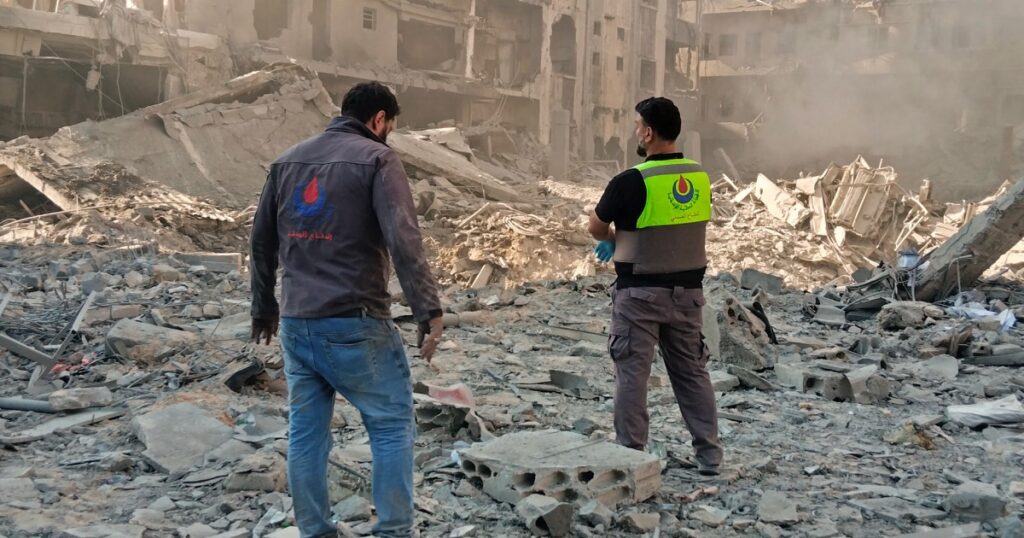
Iran suspends indirect talks with the U.S. amid Israel's intensified Lebanon offensive, as the war that began on March 2 causes thousands of casualties and escalates maritime threats.
Posts tagged as “German-Iraqi”
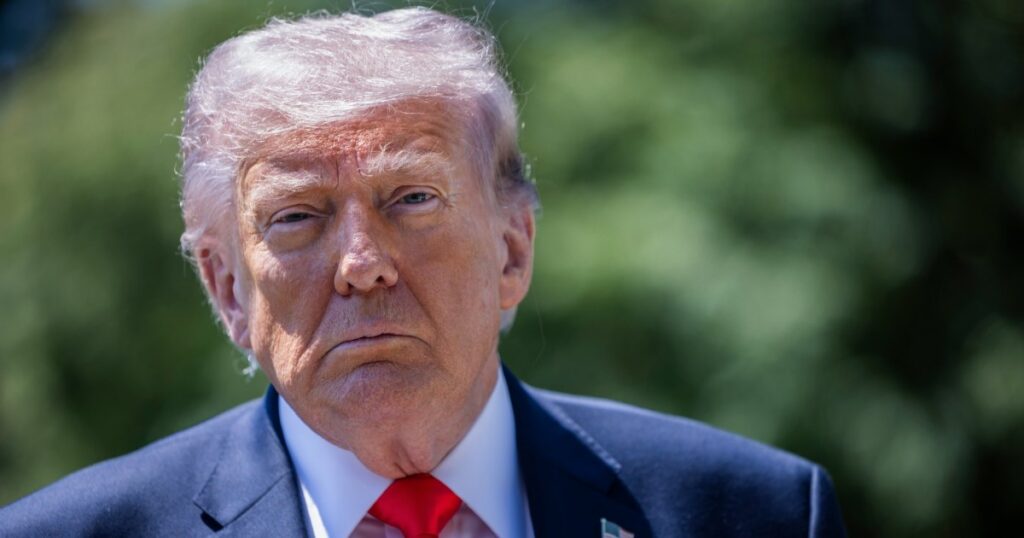
U.S. and Nigerian forces have killed Abu-Bilal al-Minuki, the Islamic State's second-in-command, in a joint operation. The move is seen as a significant blow to ISIS's operations in Africa and globally.

Mohammad Al-Saadi, an Iraqi commander linked to Iranian-backed Kata'ib Hizballah, is charged with plotting terror attacks on Jewish sites in New York, Los Angeles, and Arizona. Authorities disrupted the plan after Al-Saadi attempted to hire an undercover agent to carry out the attacks.
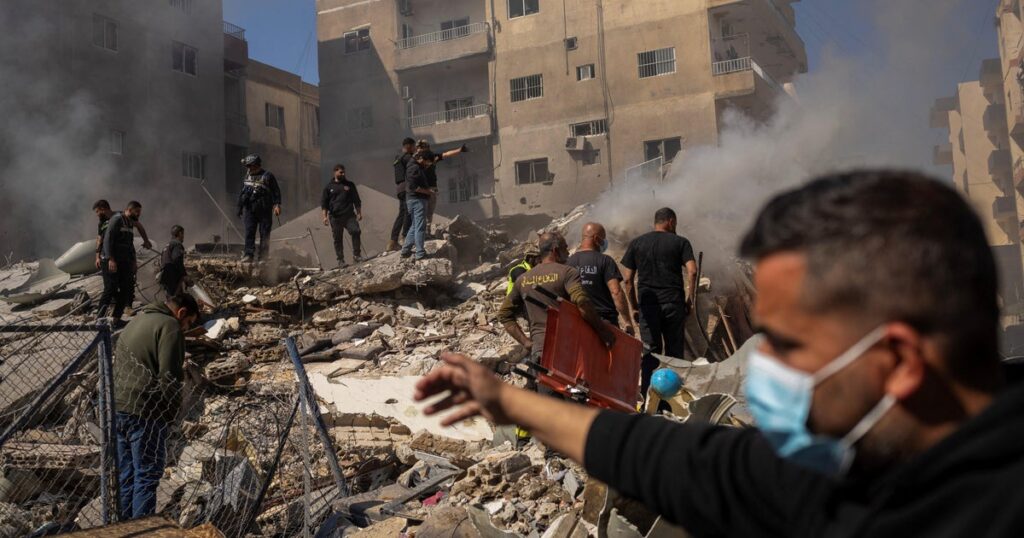
A two-week ceasefire between Iran and the U.S. takes effect amid ongoing Israeli strikes in Lebanon. While markets rally and tanker traffic resumes in the Strait of Hormuz, Israel continues its campaign against Hezbollah, complicating prospects for lasting peace.
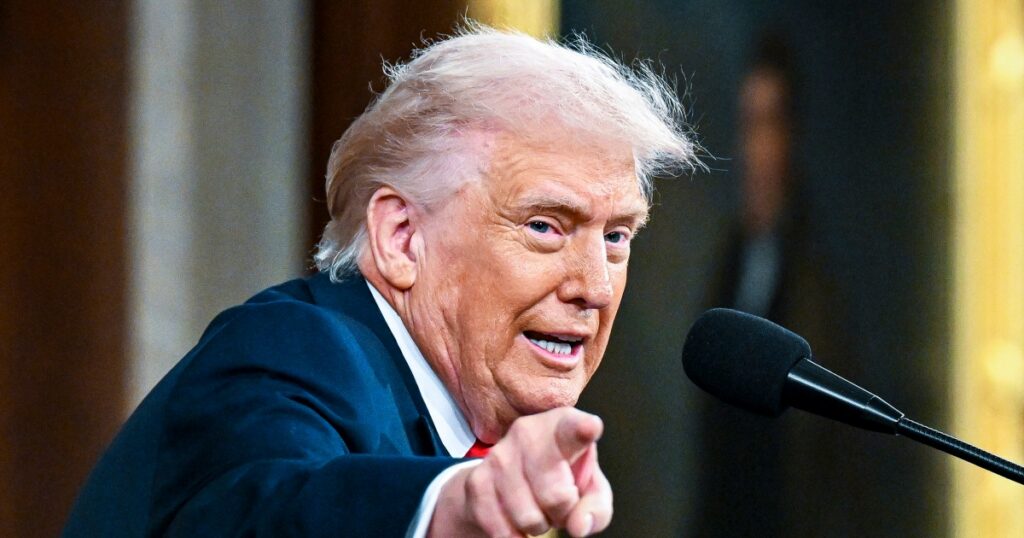
A U.S. airman downed in Iran is rescued in a daring mission as President Trump threatens to strike Iranian power plants and bridges if the Strait of Hormuz remains closed. Iran condemns the threats as war crimes amid ongoing regional tensions.

American freelance journalist Shelly Kittleson was kidnapped in Baghdad by suspected Iranian-backed militants linked to the militia group Kata'ib Hezbollah, with Iraqi security forces arresting one suspect and continuing efforts to secure her release. Despite multiple warnings from the U.S. State Department about threats to her safety, Kittleson traveled to Baghdad, where surveillance footage showed her abduction. U.S. and Iraqi authorities, including the FBI and counter-terrorism units, are coordinating to resolve the situation amid heightened tensions involving Iranian-aligned militias in Iraq.

Conservative activists at CPAC in Texas largely support former President Trump’s military action against Iran but express concerns about economic strain, rising gas prices, and avoiding U.S. ground troop deployment. The conflict’s impact on the economy and Republican Party unity has raised worries about the upcoming midterm elections, even as loyalty to Trump remains strong among many attendees. Meanwhile, broader political tensions persist, including a historic DHS shutdown linked to immigration funding disputes, highlighting the complex domestic challenges amid the ongoing war.
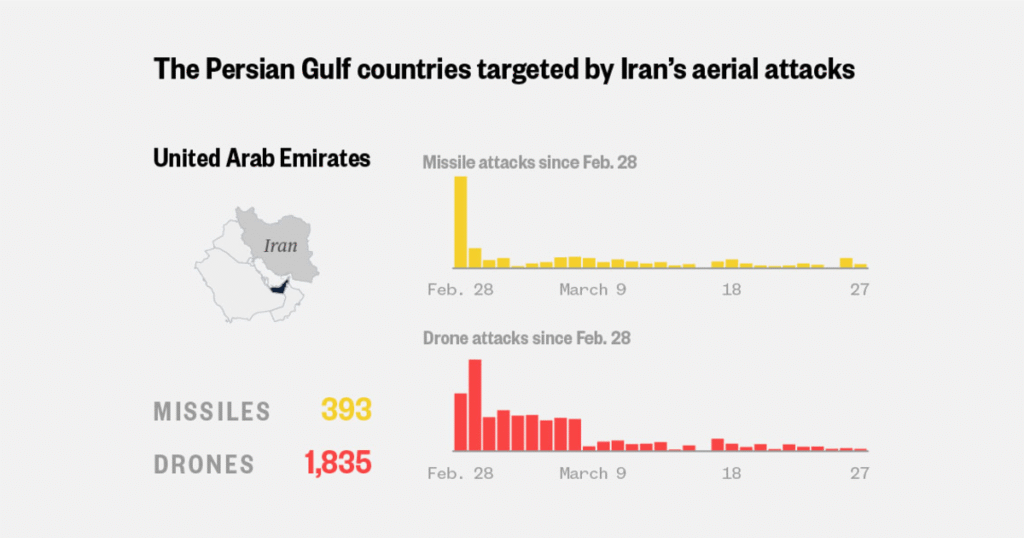
The United States has deployed over 850 Tomahawk cruise missiles in its conflict with Iran, using them at a rate far exceeding annual procurement levels, with current production unable to meet wartime demand. Iran continues daily missile and drone attacks against Gulf neighbors and Israel, causing significant damage to military and energy infrastructure despite high interception rates by regional air defenses. The ongoing hostilities have led to casualties, economic losses, and disruptions to strategic locations like the Strait of Hormuz, posing challenges to regional stability and global energy markets.