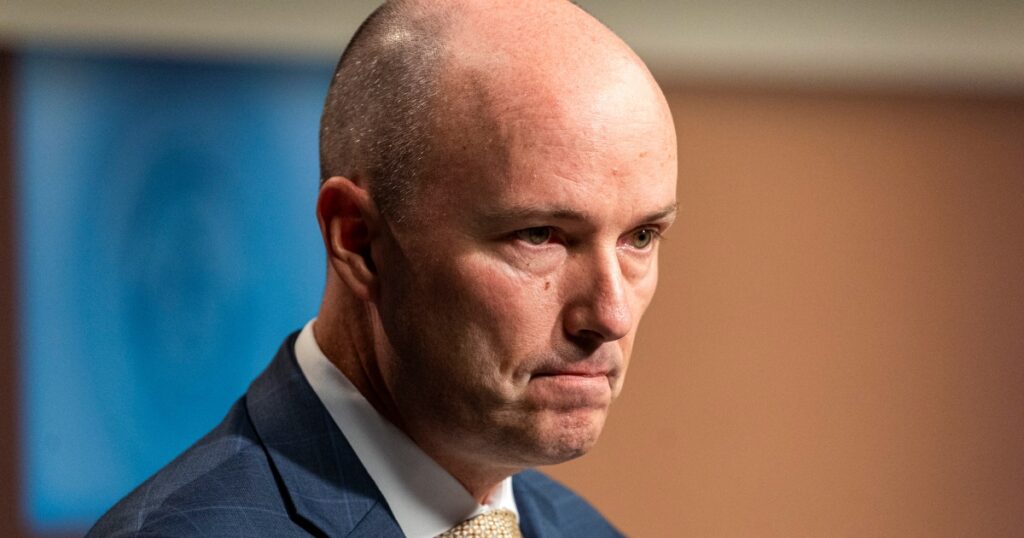
Utah has become the first state in the U.S. to ban the addition of fluoride to its public water systems, following Governor Spencer J. Cox's signing of the bill into law on March 27. This decision has sparked debates about the safety and necessity of water fluoridation, a practice traditionally used to prevent tooth decay and supported by many health organizations. While Governor Cox expressed minimal personal concern over the bill, its passage has significant implications for public health policy and may influence similar discussions in other states.
Posts tagged as “Debate Clause of the United States Constitution”
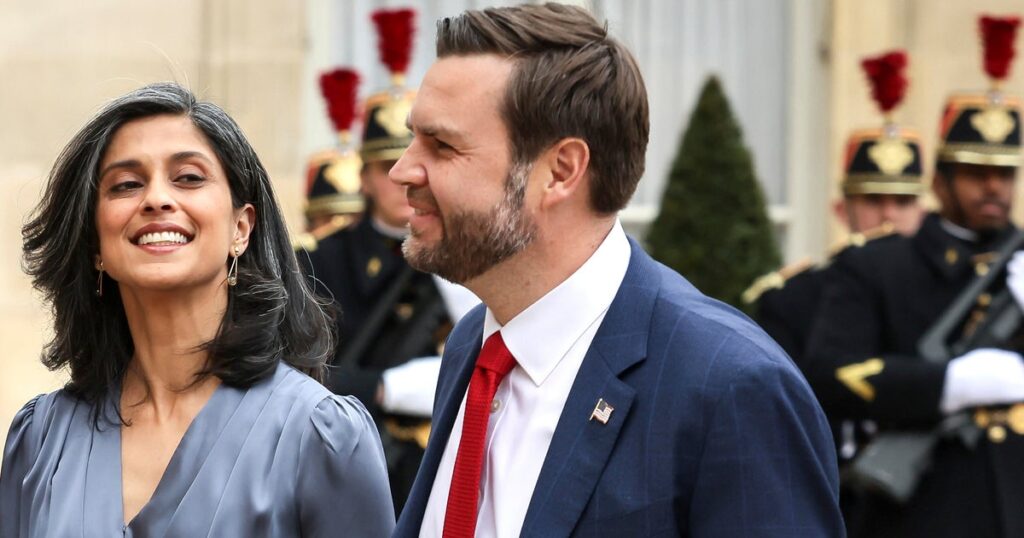
Vice President JD Vance's visit to Greenland, initially planned as a cultural trip, has shifted focus to U.S. policy and defense strategies amidst the Trump administration's interest in acquiring the territory. The visit, which includes a stop at a U.S. military base, underscores Greenland's strategic importance in U.S. Arctic policy, accompanied by Energy Secretary Chris Wright and National Security Adviser Michael Waltz. Russian President Vladimir Putin has acknowledged Trump's interest, citing historical precedents, as the U.S. explores expanding its Arctic influence, drawing international attention and debate.
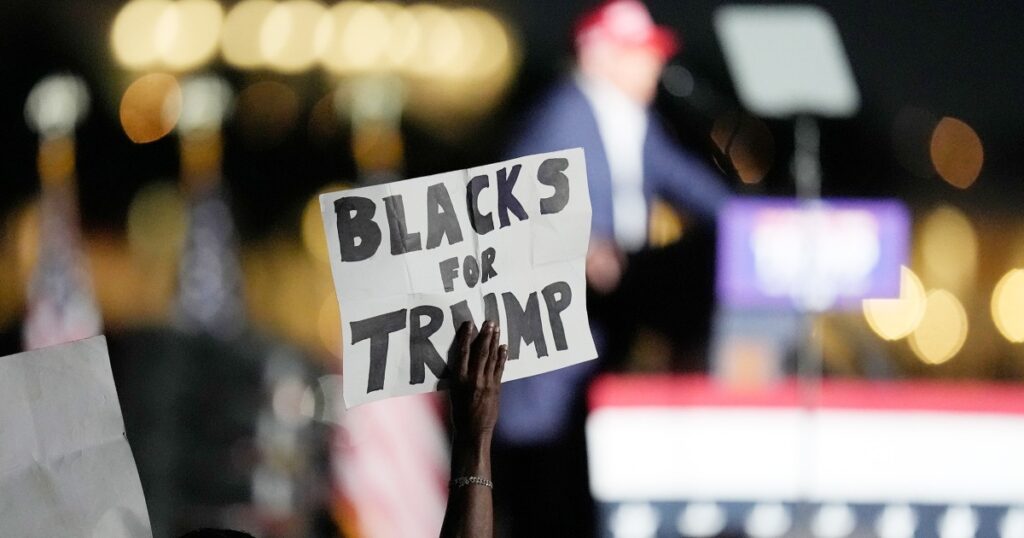
In a recent congressional hearing, tensions rose as Democrats criticized Republicans for considering the defunding of public media organizations like NPR and PBS, emphasizing their importance in providing educational content and local news. Despite testimonies from the CEOs of these organizations defending their societal contributions, House Republicans remained firm in their stance to reduce or eliminate funding, aligning with former President Trump's similar advocacy. This debate over public media funding reflects broader partisan divides and comes amid other political maneuvers, such as Trump's withdrawal of Rep. Elise Stefanik's U.N. ambassador nomination due to concerns over the GOP's narrow House majority.
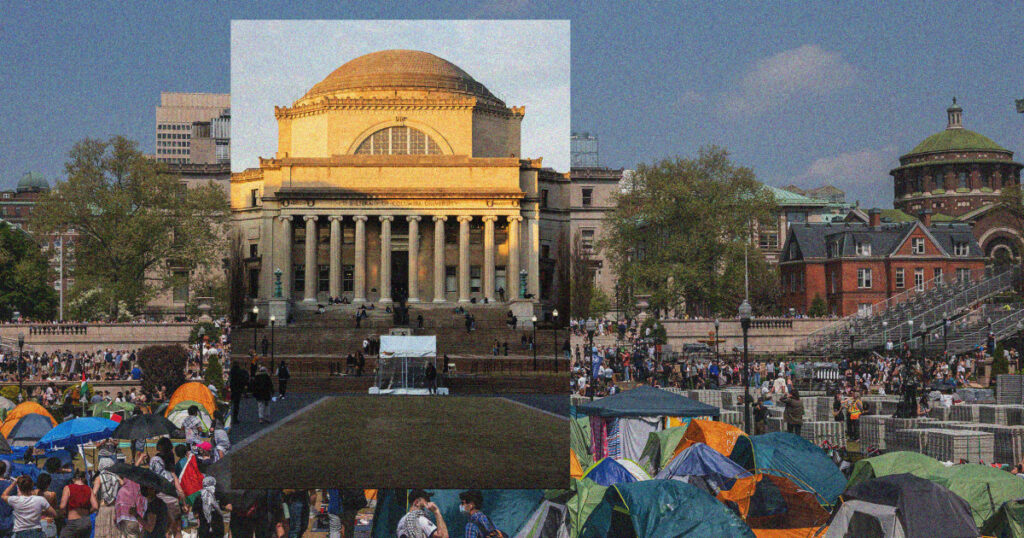
The U.S. government, led by Secretary of State Marco Rubio, has revoked 300 student visas as part of efforts to curb international student involvement in campus protests, citing activities like vandalism and harassment as grounds for such actions. This decision follows heightened scrutiny after protests at Columbia University related to the Gaza conflict, which involved significant student activism and drew national attention. The revocations have sparked concerns about due process and free speech rights, leading to a decline in student activism as international students fear losing their visas and facing severe penalties.
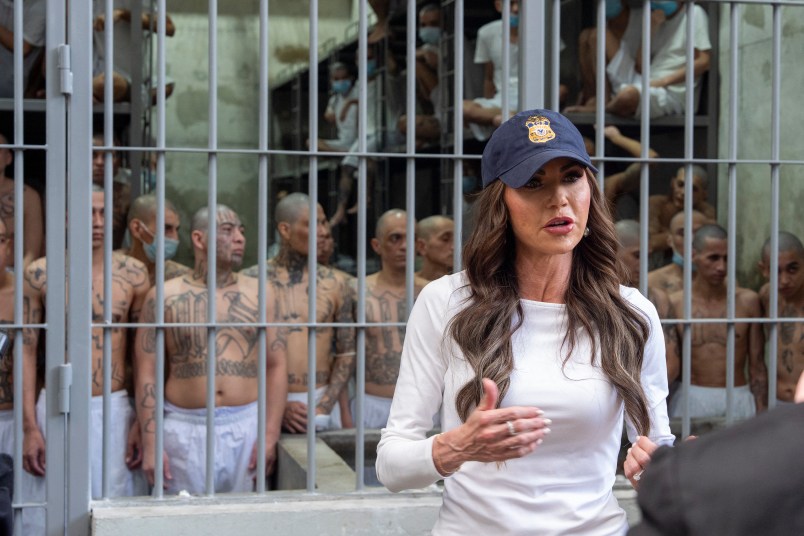
A doctoral student at the University of Alabama, identified as Alireza Doroudi, an Iranian national, has been arrested by federal immigration authorities, reflecting the Trump administration's focus on noncitizens in higher education. The university confirmed the detention but did not provide further details, emphasizing the value of international students to the campus community. This incident is part of a broader pattern of immigration enforcement affecting noncitizen students, amid discussions about the administration's legal stance on immigration, highlighted by a recent visit by DHS Secretary Kristi Noem to a prison in El Salvador.

President Donald Trump announced a 25% tariff on all imported automobiles to encourage domestic manufacturing and reduce reliance on foreign imports, expecting auto manufacturers to relocate operations to the U.S. The tariffs, set to take effect on April 2, are intended to stimulate domestic production and job creation, despite concerns about potential increases in consumer prices and impacts on economic growth. The financial markets reacted negatively to the news, with the S&P 500 dropping 1.2%, as investors worried about the broader economic implications of the tariffs.
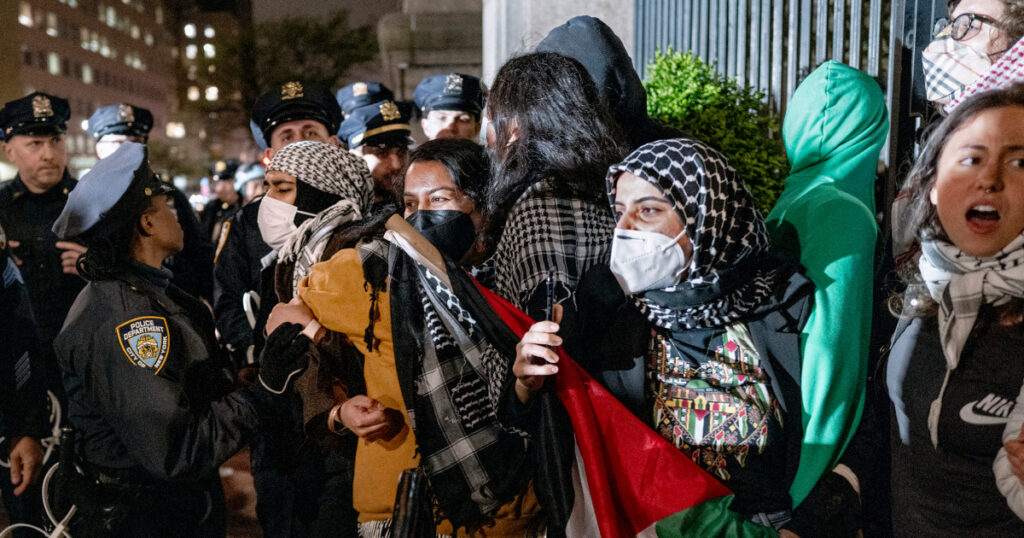
A federal judge has temporarily halted the deportation of Yunseo Chung, a Columbia University student and legal permanent resident, amid claims of targeted immigration enforcement due to her involvement in pro-Palestinian protests. Chung's legal team argues that the government's actions represent an overreach aimed at punishing her for constitutionally protected protest activities, highlighting concerns about the treatment of protest participants. This case underscores the tension between immigration enforcement and political activism, with potential implications for similar situations involving individuals engaged in protests.
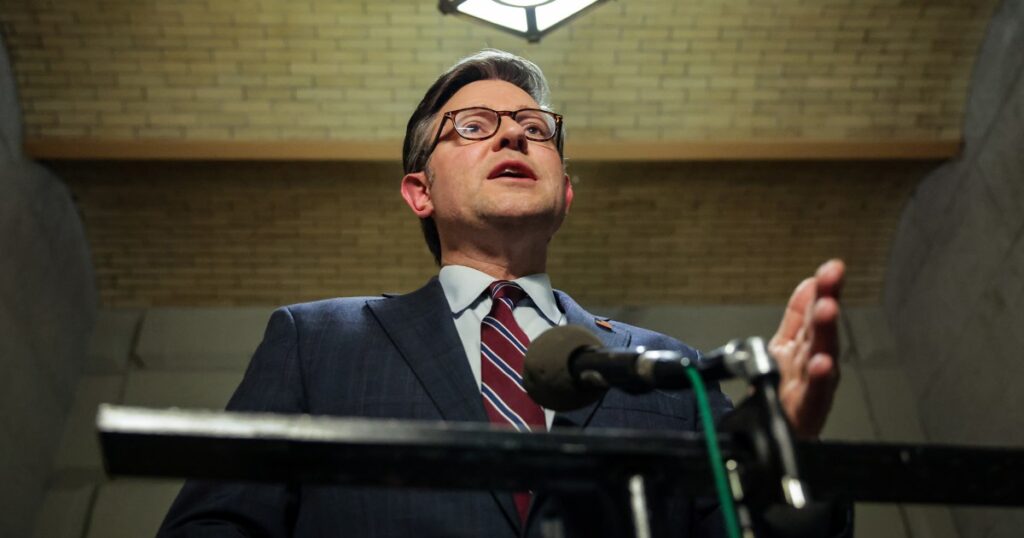
Representative Darrell Issa has introduced the "No Rogue Rulings Act" to prevent district court judges from issuing nationwide injunctions, which have previously hindered the implementation of former President Trump's policies. Concurrently, U.S. District Judge James Boasberg is involved in a legal case about the deportation of Venezuelan migrants, with the Trump administration invoking the state secrets privilege to withhold information, citing national security concerns. Issa's bill offers a political avenue for lawmakers to support Trump's policies by limiting judicial intervention, highlighting the ongoing debate over the balance of power between the judiciary and the executive branch.