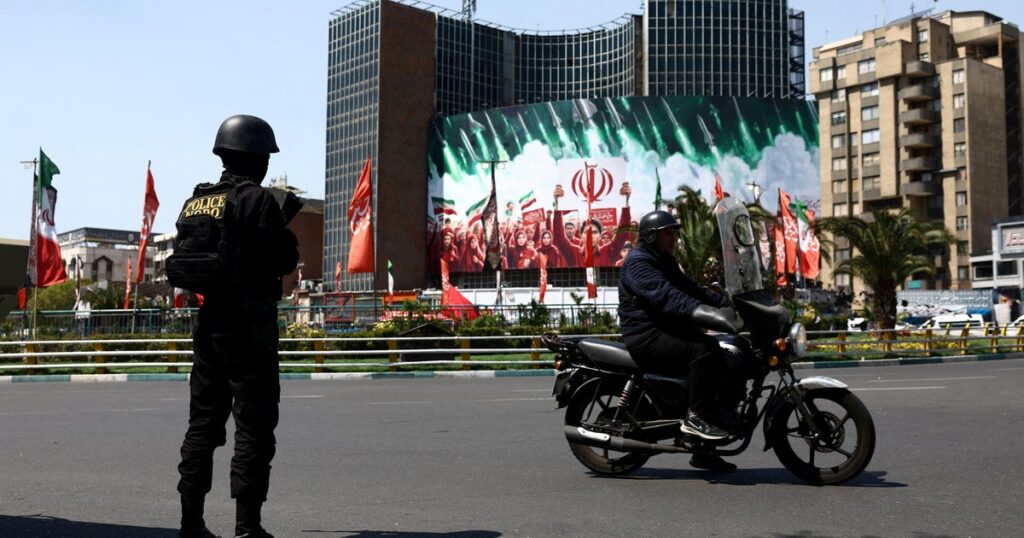
President Donald Trump indicated that U.S. military operations against Iran could end within two to three weeks, leading to a decline in oil prices and gains in global stock markets amid hopes for de-escalation. Trump also threatened to withdraw the U.S. from NATO over European allies’ lack of support for the Iran campaign, raising concerns among members and potentially benefiting Russia. Meanwhile, Pakistan has offered to mediate peace talks between the U.S. and Iran, backed by regional powers, but its efforts are complicated by ongoing conflict with Afghanistan that threatens regional stability.
Posts tagged as “Afghanistan”
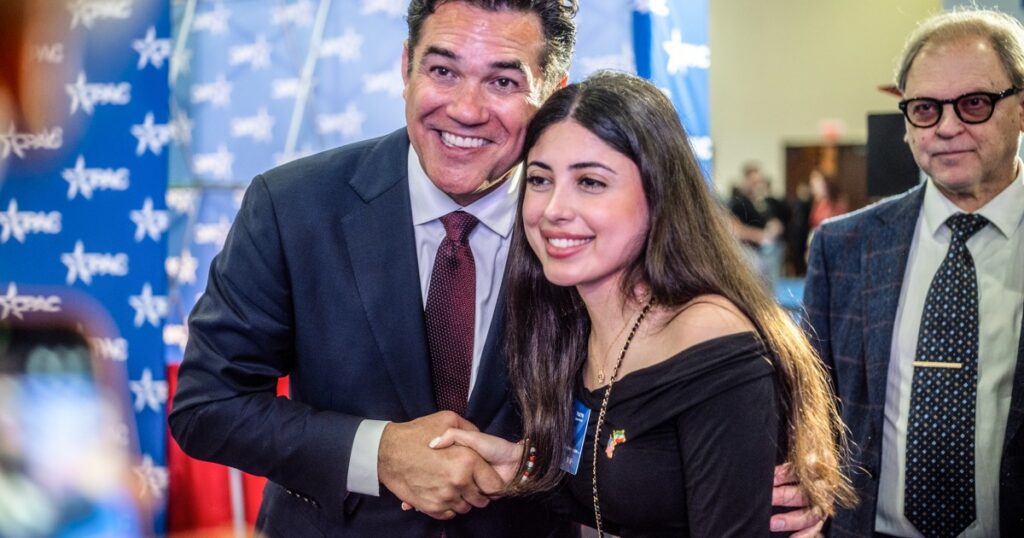
Conservative activists at CPAC in Texas largely support former President Trump’s military action against Iran but express concerns about economic strain, rising gas prices, and avoiding U.S. ground troop deployment. The conflict’s impact on the economy and Republican Party unity has raised worries about the upcoming midterm elections, even as loyalty to Trump remains strong among many attendees. Meanwhile, broader political tensions persist, including a historic DHS shutdown linked to immigration funding disputes, highlighting the complex domestic challenges amid the ongoing war.
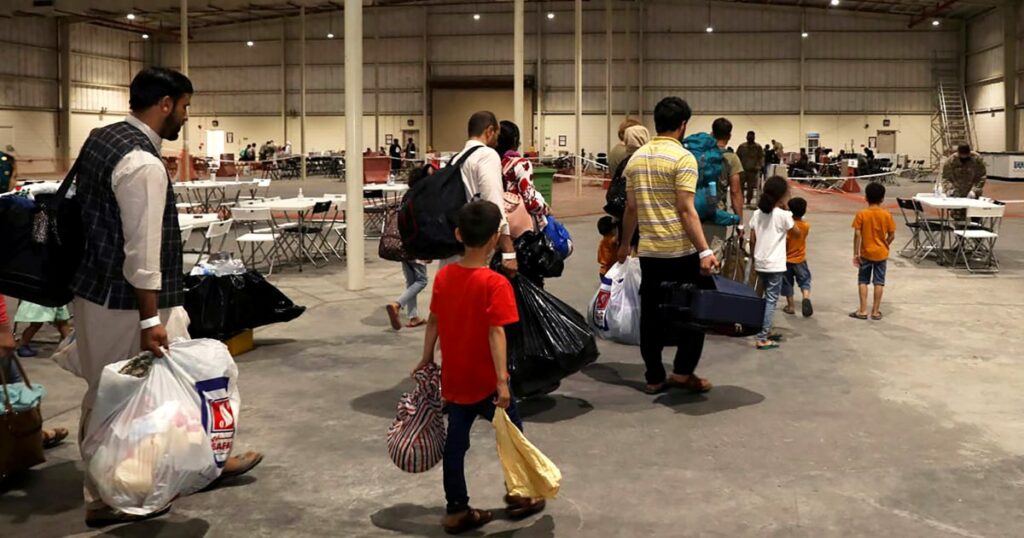
More than 1,100 Afghan refugees who supported the U.S. remain stranded at Camp As Sayliyah in Qatar, facing a March 31 deadline to relocate to an unspecified third country or return to Taliban-controlled Afghanistan, despite risks of persecution. Advocacy groups criticize the Trump administration’s handling of the situation, calling the camp a “prison camp” and expressing concerns about the refugees’ uncertain futures, while the State Department defends the closure as necessary and humane. Meanwhile, escalating tensions in the Middle East, particularly involving Iran’s unyielding stance and militia activities, complicate regional security and diplomatic efforts, highlighting the broader challenges affecting both refugees and U.S. foreign policy.
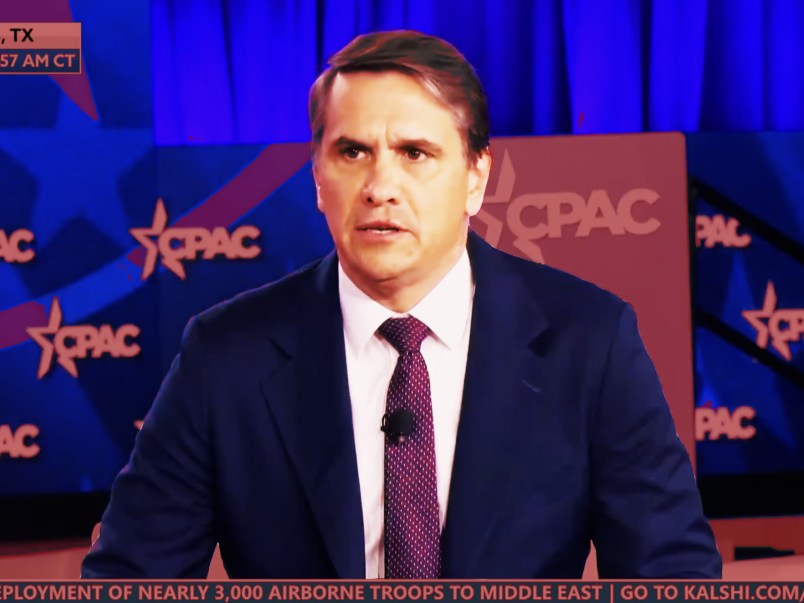
President Donald Trump faces significant obstacles in advancing the U.S. military campaign against Iran due to uncertain congressional support and growing public opposition, with lawmakers demanding clearer justification and strategy. The conflict has also triggered economic repercussions, including stock market declines and soaring oil and gasoline prices, while Trump downplays these issues and temporarily halts attacks on Iran’s energy infrastructure. Concurrently, the administration is embroiled in controversies over election security, proposing ICE monitoring at polling places and facing criticism over Trump’s own mail-in voting, highlighting internal tensions ahead of the midterm elections.
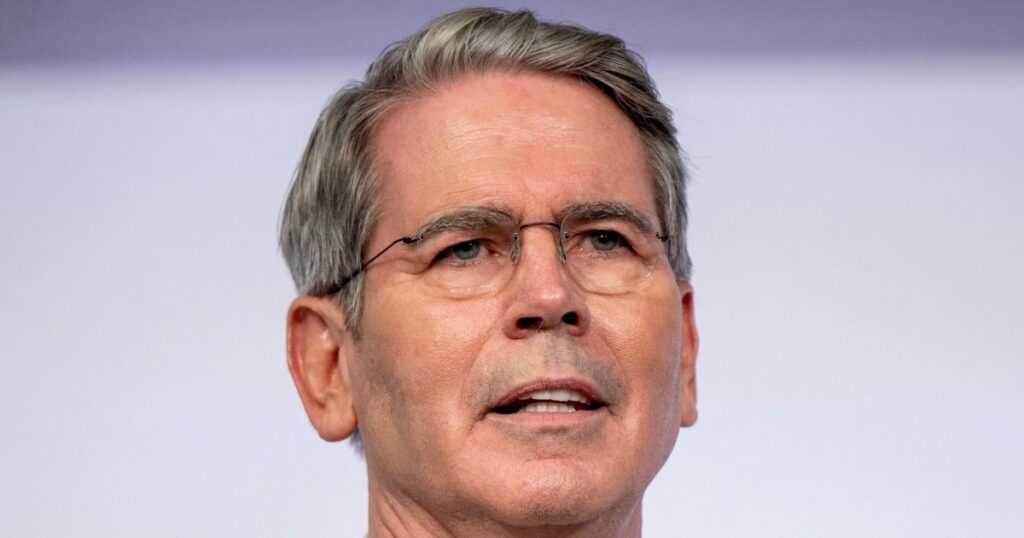
U.S. Treasury Secretary Scott Bessent defended recent U.S. military strikes on Iranian infrastructure as necessary escalations to de-escalate tensions, while also explaining the easing of sanctions to release Iranian oil onto global markets as a strategic move against Iran. Iran warned of retaliatory attacks on U.S. and allied infrastructure if its fuel and energy facilities were targeted, though the U.S. has so far avoided directly hitting Iran’s oil infrastructure. Meanwhile, growing political opposition in Congress criticized the administration for lack of authorization, transparency, and a clear strategy, calling for an end to the conflict.
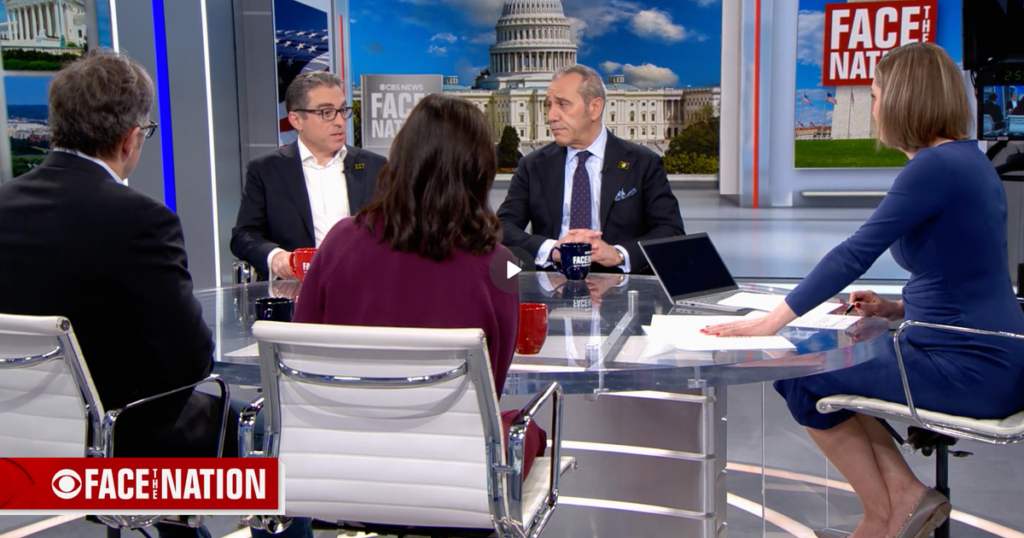
Tensions between the U.S. and Iran have heightened concerns over the safety of at least four American detainees held in Iran’s volatile prisons amid ongoing conflict and unrest. Meanwhile, the U.S. government is considering various military options, including potential ground troop deployments, to counter Iran’s strategic capabilities and secure key regional assets like the Strait of Hormuz. These developments occur alongside complex regional dynamics, with strained U.S.-Israel coordination following unilateral Israeli strikes on Iranian targets, highlighting the challenges of balancing humanitarian concerns with broader military and diplomatic strategies.
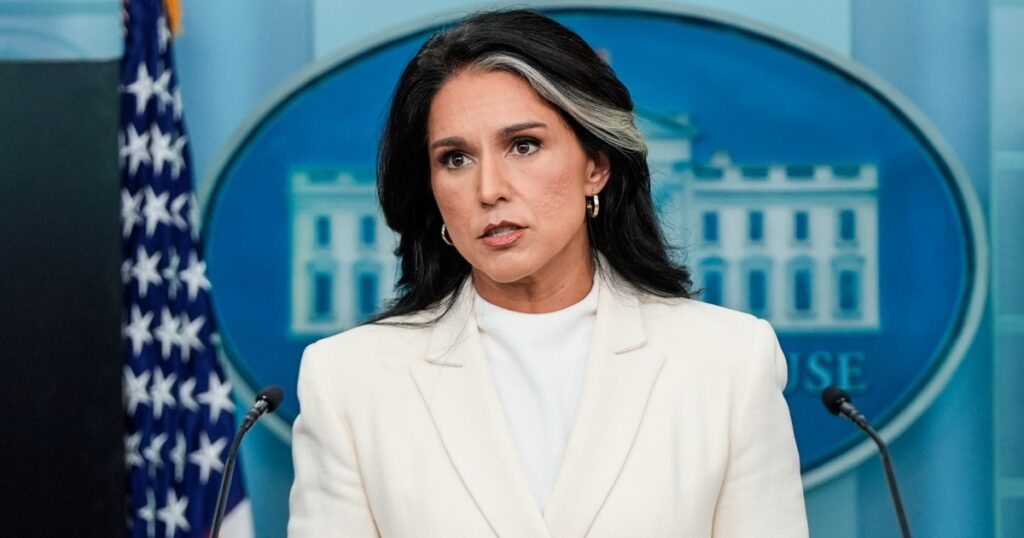
Joe Kent, former head of the National Counterterrorism Center, resigned in protest of the U.S.-Israeli military campaign against Iran, arguing that Iran posed no imminent threat and criticizing the war as influenced by Israeli pressure. His departure has intensified scrutiny on National Intelligence Director Tulsi Gabbard, who has maintained a neutral public stance but is expected to clarify her position during upcoming Senate testimony. The resignation has sparked debate within the Trump administration and Congress, highlighting divisions over U.S. foreign policy and the potential political consequences of the conflict.
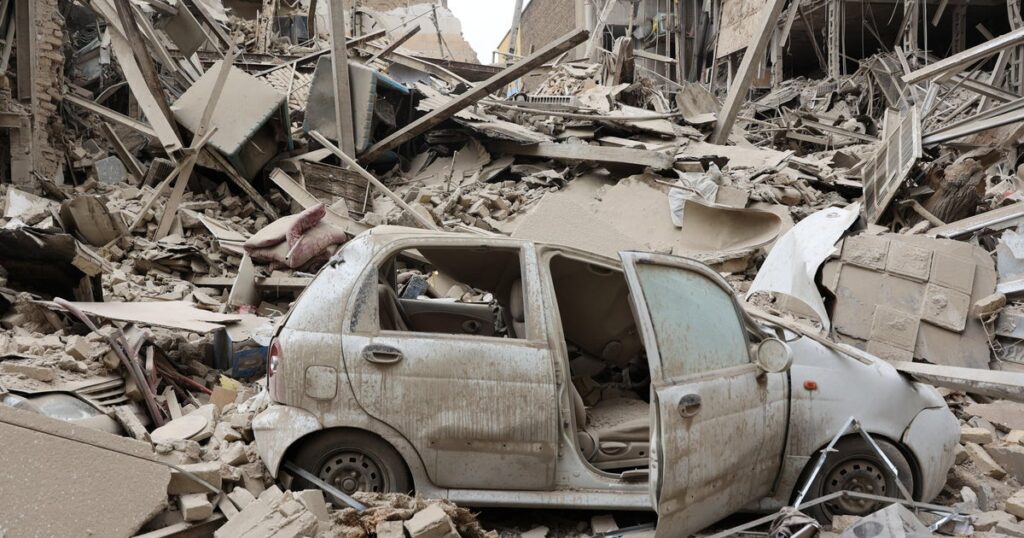
President Donald Trump has urged countries dependent on oil shipments through the Strait of Hormuz to help reopen the waterway, which Iran has effectively closed amid escalating regional conflict following a U.S.-Israeli military campaign. However, many traditional U.S. allies, including European and Pacific nations, have declined to participate in securing the strait, emphasizing diplomacy and conflict resolution over military involvement. The ongoing tensions have driven up global oil prices, strained international relations, and resulted in significant military engagements and regional instability.