Key takeaways:
- Elon Musk funded OpenAI with $38 million from 2015 to 2017, believing it would remain a nonprofit.
- Musk alleges OpenAI CEO Sam Altman and others broke their founding agreement by shifting to a for-profit model.
- OpenAI denies Musk’s claims, stating no promise was made to remain nonprofit and accusing Musk of seeking control.
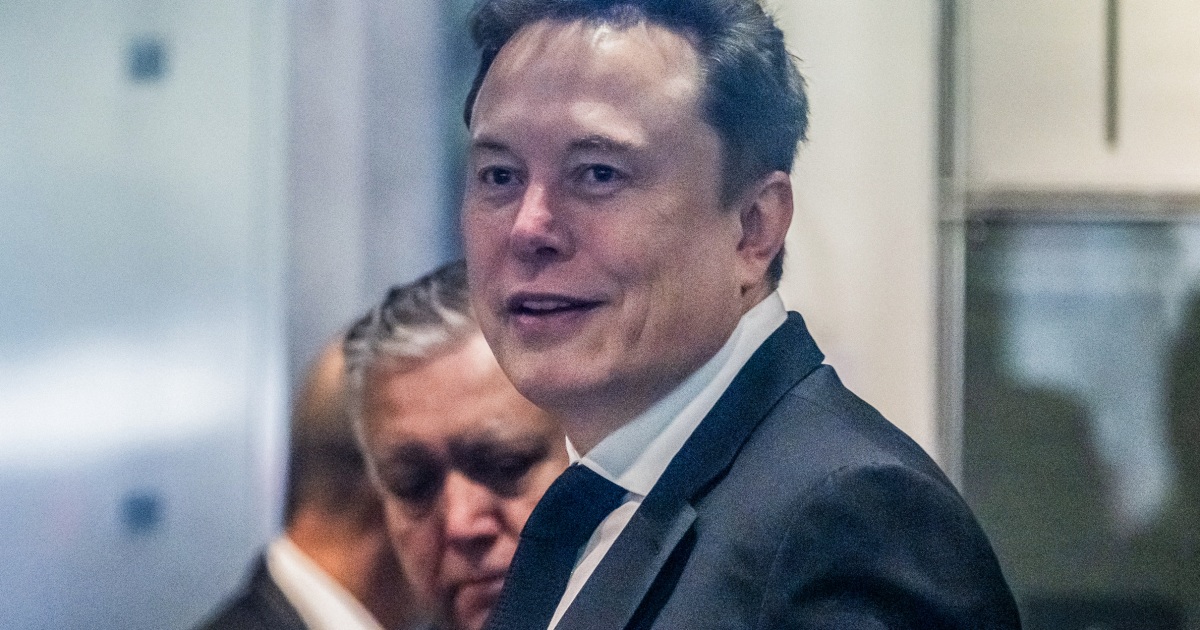
Elon Musk testified Wednesday in a high-stakes trial accusing OpenAI CEO Sam Altman and other leaders of betraying the company’s founding nonprofit mission by prioritizing profit. Musk, who helped fund OpenAI’s launch, described himself as a “fool” for providing $38 million between 2015 and 2017 under the belief the company would remain a nonprofit dedicated to human progress.
The trial, held in the U.S. District Court for the Northern District of California, centers on Musk’s civil lawsuit alleging that OpenAI, Altman, and President Greg Brockman broke their founding agreement by shifting toward a for-profit model. OpenAI is now valued at over $85 billion after restructuring in October to adopt a traditional for-profit arm overseen by a nonprofit foundation. Musk’s suit seeks to remove Altman from OpenAI’s board and could disrupt the company’s plans for an initial public offering.
Musk testified that he initially supported OpenAI based on assurances from Altman that it would remain a nonprofit. However, he said his confidence eroded over time, culminating in late 2022 when he felt the founders were “betraying their promise.” He said, “They can’t have a nonprofit and free funding and the positive halo effect of being a nonprofit charity and also enrich themselves greatly.”
During a tense cross-examination by OpenAI lawyer William Savitt, Musk pushed back against questions he described as “designed to trick me.” Savitt challenged Musk on his failure to fulfill a $1 billion funding pledge, to which Musk responded that he contributed $38 million and lost confidence in the team. Musk also acknowledged using strong language with employees, admitting he may have called them “jackasses” to push them back on course.
OpenAI’s lawyers deny Musk’s claims, arguing the company never promised to remain a nonprofit indefinitely and accusing Musk of seeking control over the company. They contend Musk left the board in 2018 after failing to gain majority control and that his lawsuit aims to undermine OpenAI’s growth and bolster his own AI venture, xAI, launched in 2023 as a for-profit company.
Musk testified he initially sought majority control of OpenAI’s board but expected his stake to dilute as the company grew, comparing it to his experience with Tesla. He described himself as “a fool who created free funding for them to create a startup” when he intended to create a nonprofit without stock ownership.
The trial is expected to last about four weeks, with Musk returning to court Thursday for further cross-examination. The outcome could influence the future governance and business model of one of the world’s leading artificial intelligence companies.









Be First to Comment