Key takeaways:
- Human remains were found Sunday near the Howard Frankland Bridge but have not yet been identified.
- Hisham Abugharbieh is charged with first-degree murder in the deaths of doctoral students Nahida Bristy and Zamil Limon.
- Court documents reveal Abugharbieh asked ChatGPT about disposing of a body in a trash bag and dumpster days before the students disappeared.
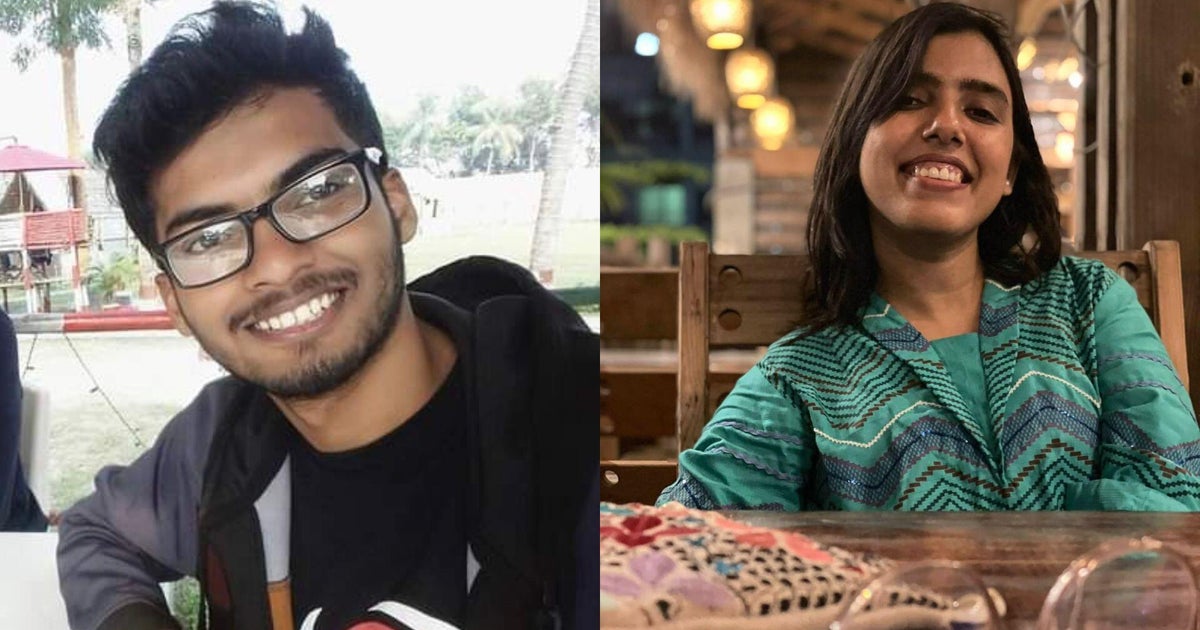
Human remains were discovered Sunday in Tampa Bay waterways as authorities continue searching for Nahida Bristy, a missing University of South Florida doctoral student, officials announced. The remains were found in Pinellas County near Interstate 275 and 4th Street North on the St. Petersburg side of the Howard Frankland Bridge but have not yet been identified.
Bristy, 27, and fellow doctoral student Zamil Limon, also 27, went missing last week. Limon’s remains were found Friday on the Howard Frankland Bridge, where he was discovered inside multiple black trash bags in an advanced state of decomposition. An autopsy ruled his death a homicide caused by multiple sharp force injuries.
Hisham Abugharbieh, 26, Limon’s former roommate and a former USF student, was arrested Saturday and charged with two counts of premeditated first-degree murder with a weapon. He is being held without bond. Court documents reveal Abugharbieh allegedly asked the AI chatbot ChatGPT on April 13 about disposing of a body by placing it in a black garbage bag and throwing it in a dumpster. When ChatGPT responded that this sounded dangerous, Abugharbieh reportedly asked, “How would they find out?”
Additional queries from Abugharbieh to ChatGPT included questions about changing a vehicle identification number and storing a gun at home without a license. On April 17, his phone location data placed him near the bridge where Limon’s body was found.
Investigators found significant blood evidence in the apartment shared by Limon and Abugharbieh, including blood patterns resembling a human shape in the suspect’s bedroom. Abugharbieh also had multiple lacerations on his legs and a cut on his left pinky, which he claimed resulted from slicing onions.
Prosecutors allege Abugharbieh purchased trash bags, Lysol wipes, and Febreze on the night the students disappeared and disposed of items belonging to Bristy, including her pink cellphone cover. DNA testing linked a gray T-shirt found in a dumpster to Limon and a kitchen mat to Bristy.
Abugharbieh initially denied knowing the whereabouts of the students and claimed they had never been in his car. He later admitted to giving them a ride to Clearwater on April 16 but did not explain why. A roommate reported seeing Abugharbieh move cardboard boxes to a dumpster on April 17, where investigators recovered Limon’s belongings.
The families of Bristy and Limon, both originally from Bangladesh and who previously dated, issued a joint statement requesting that their bodies be handled according to Islamic funeral rites and expressed hope that the university would establish a memorial in their names.
The University of South Florida released a statement mourning the loss of the students and reaffirming its commitment to student safety and well-being. Abugharbieh faces additional charges including battery, false imprisonment, failure to report a death, storing remains improperly, and tampering with evidence. He is scheduled for a court hearing Tuesday.



Be First to Comment