Key takeaways:
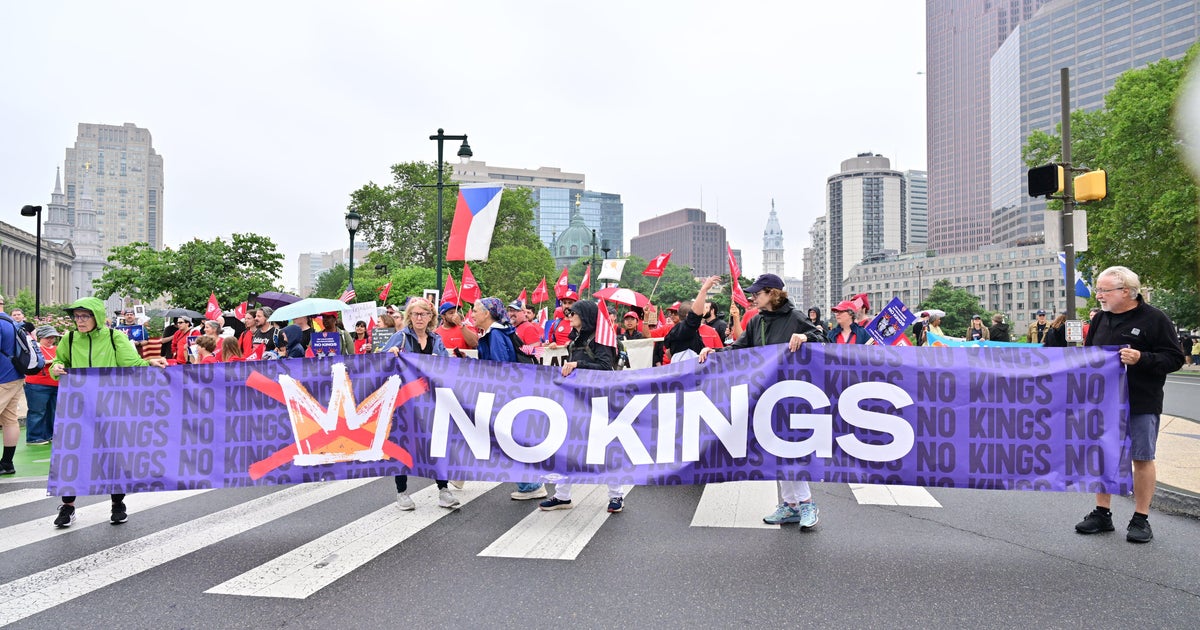
- Over nine million people are expected to participate in more than 3,100 “No Kings” protests nationwide, opposing President Trump’s policies, with the St. Paul, Minnesota rally as the flagship event featuring notable performers and officials.
- The protests highlight widespread discontent across political and geographic lines, including strong participation from rural and suburban areas, and have gained international support with events planned in multiple countries and virtual options available.
- The White House dismissed the protests as driven by leftist groups, while organizers emphasize opposition to issues like immigration enforcement, Justice Department abuses, healthcare cuts, and attacks on voting rights amid heightened tensions at U.S. airports.
Millions Expected to Participate in Nationwide “No Kings” Protests Against President Trump
Protests under the banner “No Kings” are set to take place across the United States on Saturday, with organizers anticipating participation from over nine million people in more than 3,100 events nationwide. The demonstrations, which began with a gathering in Paris, France, aim to express opposition to President Donald Trump’s policies and actions during his second term. The Minnesota rally in St. Paul has been designated as the national flagship event, drawing particular attention due to the state’s recent history involving federal agents and immigration enforcement.
The Paris protest saw several hundred participants, primarily Americans living in France, alongside French labor unions and human rights groups. Demonstrators carried signs with messages such as “War for profit, our troops are not for sale” and “When injustice becomes law, resistance becomes duty.” Ada Shen, the Paris organizer, criticized what she described as President Trump’s “illegal, immoral, reckless, and feckless, endless wars,” asserting that the administration abuses its authority. Meanwhile, the St. Paul event is expected to attract over 150,000 people, surpassing the turnout of the 2017 Women’s March, according to local police. The rally will feature a performance by Bruce Springsteen, who wrote “Streets of Minneapolis” in response to the deaths of Renee Good and Alex Pretti, two individuals fatally shot by federal agents during immigration enforcement efforts in Minnesota earlier this year.
The Minnesota demonstration will also include appearances by notable figures such as Joan Baez, Jane Fonda, Maggie Rogers, and local officials including Lieutenant Governor Peggy Flanagan, Attorney General Keith Ellison, and St. Paul Mayor Kaohly Her. Other major cities hosting large rallies include Philadelphia, Chicago, Detroit, and various locations in Texas and Southeast Michigan. Organizers from groups like Indivisible and MoveOn emphasize that the protests reflect widespread discontent across political and geographic lines, with significant participation expected from rural and suburban areas traditionally considered conservative. Leah Greenberg, co-executive director of Indivisible, highlighted that two-thirds of RSVPs come from outside major urban centers, including states such as Idaho, Wyoming, Montana, Utah, South Dakota, and Louisiana.
The White House dismissed the protests as driven by “leftist funding networks” and lacking genuine public support. White House spokesperson Abigail Jackson stated, “The only people who care about these Trump Derangement Therapy Sessions are the reporters who are paid to cover them.” Despite this, the movement has gained international traction, with planned demonstrations in over a dozen countries spanning Europe, Latin America, and Australia. For those unable to attend in person, virtual events are being organized to ensure accessibility.
The “No Kings” protests represent the third nationwide mobilization since President Trump’s return to office, following rallies in June and October 2025 that drew an estimated five and seven million participants, respectively. The movement serves as a broad platform for opposition to various aspects of the Trump administration, including immigration enforcement, perceived abuses of the Justice Department, healthcare cuts, rising living costs, attacks on voting rights, and foreign policy decisions. Minnesota Governor Tim Walz expressed solidarity with the protests, stating, “We will never forget what happened here and we’re taking action against it,” referring to the state’s role in sparking resistance.
In related developments, tensions at U.S. airports have increased amid the ongoing Department of Homeland Security shutdown, with Immigration and Customs Enforcement (ICE) agents deployed to airports where Transportation Security Administration (TSA) agents remain unpaid. This has led to heightened stress among travelers, including the arrest of a woman and her child at San Francisco International Airport. President Trump defended the deployment of ICE agents as an effort to counteract what he described as a “fake image” of the agency promoted by political opponents.
As the “No Kings” protests unfold, organizers and participants alike aim to send a clear message opposing what they characterize as authoritarian tendencies in the current administration, emphasizing that governance belongs to the people rather than any individual leader.



Be First to Comment