Key takeaways:
- The Nasdaq Composite Index and S&P 500 experienced significant declines due to reactions to U.S. tariff policies, with President Trump expressing confidence in eventual market recovery.
- President Trump suspended “reciprocal tariffs” for 90 days in response to bond market concerns, marking a shift in the administration’s tariff approach to address investor apprehensions.
- A Yale University analysis indicates consumers face a high overall tariff rate of 25.3%, underscoring the impact of trade policies on market stability and economic disruptions.
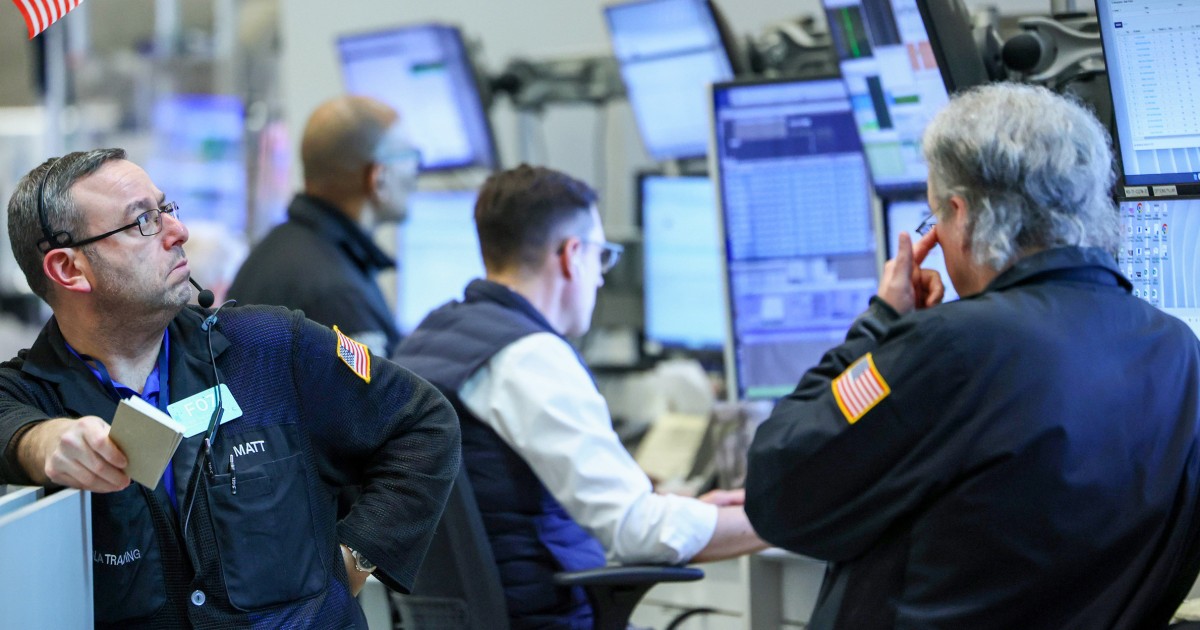
On Thursday, the Nasdaq Composite Index experienced a significant decline, dropping by as much as 7.2%. The S&P 500 also saw a notable decrease, falling by 6.3% at one point. These declines occurred amid reactions to the U.S. administration’s tariff policies. Despite the market turmoil, President Donald Trump expressed confidence in his trade strategies, suggesting that the markets would eventually recover and prosper.
In response to the market downturn, President Trump decided to suspend the implementation of “reciprocal tariffs” on numerous countries for a period of 90 days. This decision was made as a reaction to concerns from the bond market, which showed signs of instability. The suspension marks a shift in the administration’s approach to tariffs, as it seeks to address the apprehensions of investors worried about the potential fiscal impact of these policies.
Historically, this is not the first instance where a U.S. president has adjusted policies in response to feedback from bond investors. The recent market fluctuations serve as a reminder of the potential global economic disruptions that can arise from aggressive tariff agendas. The administration’s tariff policies have been a point of contention, with significant implications for both domestic and international markets.
A revised analysis from the Budget Lab at Yale University indicates that consumers will continue to face a substantial overall tariff rate of 25.3%, the highest since 1903. This comes after a brief market rally on Wednesday, which followed President Trump’s decision to amend some of the proposed tariff rates on U.S. trading partners. The ongoing developments highlight the delicate balance between trade policies and market stability.










Be First to Comment