Key takeaways:
- Artemis II is NASA’s first crewed lunar mission in over 50 years, launching four astronauts on a nine-day orbit around the moon as a key step toward establishing a sustainable human presence on the lunar surface and future Mars missions.
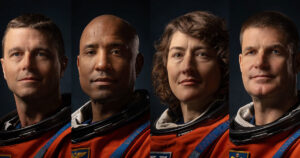
- The crew includes commander Reid Wiseman, pilot Victor Glover, mission specialist Christina Koch (the first woman to fly to the moon), and Canadian astronaut Jeremy Hansen (the first Canadian beyond low-Earth orbit), all bringing extensive spaceflight experience.
- The mission marks the inaugural crewed flight of NASA’s Space Launch System rocket and Orion spacecraft, despite high costs, technical challenges, and delays; Artemis aims to build a permanent lunar base and maintain U.S. leadership in space exploration.
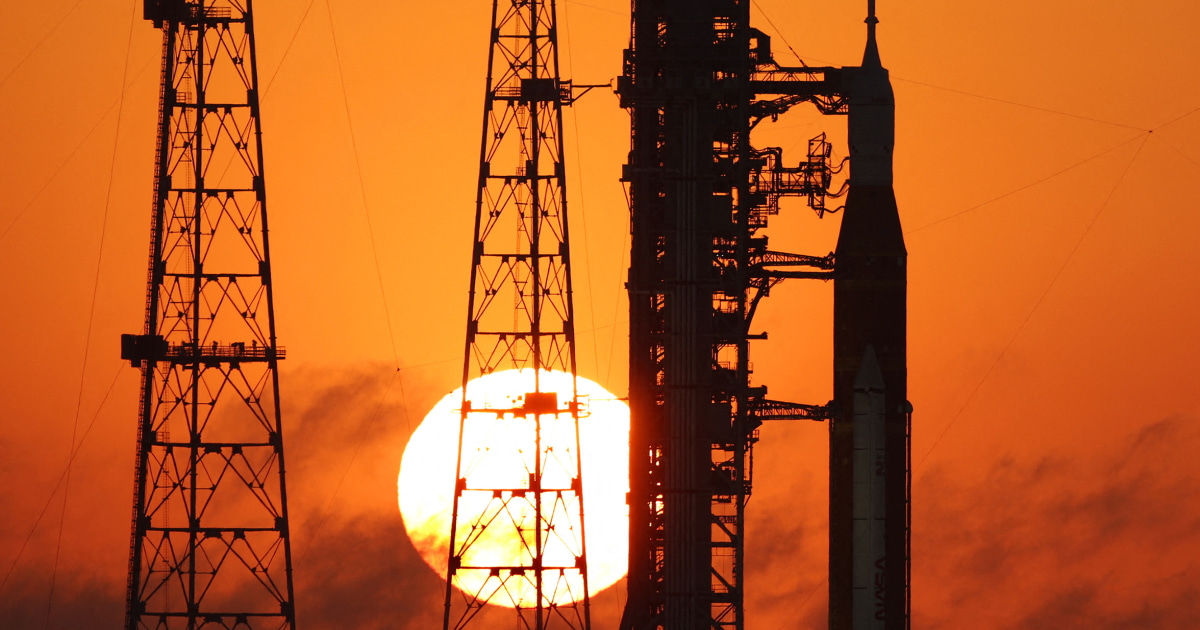
NASA is preparing for a historic mission as the Artemis II crew readies to launch on a journey around the moon, marking the first crewed lunar mission in over 50 years. Scheduled for liftoff as early as Wednesday evening from Kennedy Space Center, the mission will send four astronauts on a nine-day flight that will orbit the moon and return to Earth. This mission is a critical step toward NASA’s broader goal of establishing a sustainable human presence on the lunar surface and eventually sending astronauts to Mars.
The Artemis II crew consists of four highly experienced astronauts: commander Reid Wiseman, pilot Victor Glover, mission specialist Christina Koch, and Canadian astronaut Jeremy Hansen. Wiseman, a former naval aviator and veteran of two spacewalks, will lead the mission. Glover, also a Navy pilot with extensive flight hours and previous spaceflight experience, will serve as pilot. Koch, an electrical engineer and former Antarctic researcher, will be the first woman to fly to the moon. Hansen will make history as the first Canadian to travel beyond low-Earth orbit. Together, they bring decades of combined experience from previous space missions, including time aboard the International Space Station.
The Artemis II mission is the first crewed flight of NASA’s Space Launch System (SLS) rocket and Orion spacecraft, which have been in development for nearly two decades. The SLS rocket stands 322 feet tall on the launch pad, having undergone extensive fueling tests and final preparations. The combined development cost of the SLS and Orion has exceeded $44 billion, with the entire Artemis program projected to cost upwards of $93 billion by 2025. The program has faced criticism for its high costs, delays, and technical challenges, including issues with the Orion capsule’s heat shield discovered during the uncrewed Artemis I flight in 2022.
Despite these challenges, NASA officials emphasize the importance of Artemis II as a stepping stone toward long-term lunar exploration. Unlike the Apollo missions of the 1960s and 1970s, Artemis aims to establish a permanent lunar base near the moon’s south pole, enabling scientific research and resource mining, such as extracting water ice to produce rocket fuel. NASA Administrator Jared Isaacman highlighted the program’s role in maintaining U.S. leadership in space amid growing competition from China’s advancing lunar ambitions. Retired astronaut Pamela Melroy noted that Artemis represents a shift from a race to the moon to a race for sustainable human presence and shared values in space exploration.
As the Artemis II astronauts remain in quarantine awaiting launch, the mission symbolizes a new era in space exploration. It seeks not only to revisit the moon but to lay the groundwork for humanity’s future in the solar system, including eventual missions to Mars. The success of Artemis II will be closely watched as a measure of NASA’s ability to overcome technical and financial hurdles and to inspire a renewed commitment to human spaceflight beyond Earth orbit.



Be First to Comment