Key takeaways:
- The Department of Homeland Security is undergoing the longest federal shutdown in U.S. history due to Republican infighting and lack of White House guidance, with Senate and House disagreements blocking funding bills.
- Republican divisions have intensified, with some senators and former President Trump urging the elimination of the legislative filibuster to pass DHS funding, while operational disruptions at airports continue amid political stalemate.
- Meanwhile, escalating tensions in the Middle East involve threats from Trump against Iran’s infrastructure, disputed peace talks, and concerns over rising oil prices and potential military escalation.
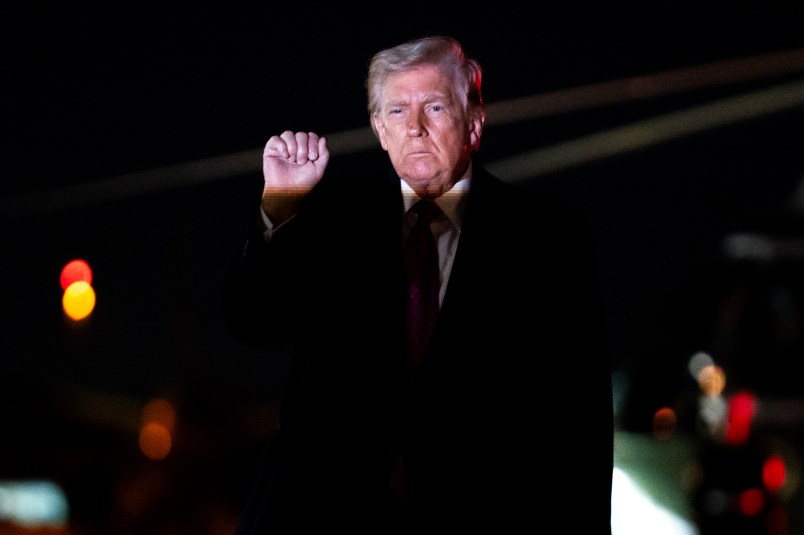
The Department of Homeland Security (DHS) is currently experiencing the longest shutdown of a federal department in U.S. history, amid escalating divisions within the Republican Party and a lack of clear direction from the White House. The Senate unanimously passed a bill early Friday to fund all of DHS except Immigration and Customs Enforcement (ICE) and Customs and Border Protection (CBP). However, House Speaker Mike Johnson (R-La.) rejected the Senate bill, labeling it a “joke” and refusing to bring it to the floor for a vote. Johnson sought to place blame on Senate Democrats, despite the GOP holding control of the chamber. President Donald Trump has remained publicly silent on both the Senate and House proposals, leaving Republican lawmakers uncertain about his stance.
The infighting among Republicans intensified as the Senate convened for a “pro forma” session without attempting to bring up the House-passed bill. Representative John Rose (R-Tenn.) criticized Senate Republicans for not taking the opportunity to place responsibility for the shutdown on Democrats, suggesting that many had left Washington for recess. Some Senate Republicans, including Senators Rick Scott (R-Fla.) and Mike Lee (R-Utah), have since called for canceling the recess and passing a DHS funding bill without Democratic support, which would require eliminating the legislative filibuster. Trump echoed this sentiment, calling the situation a “shame” and urging Republicans to “terminate the filibuster and they should vote,” though Senate Republicans have consistently opposed such a move.
The ongoing shutdown has led to operational disruptions, including long lines and delays at airports, with travelers expressing frustration at the political stalemate. Border czar Tom Homan stated that ICE agents would remain at airports until Transportation Security Administration (TSA) officers could resume normal operations. Democrats have seized on the Republican discord to assign blame for the shutdown to the GOP. A spokesperson for Senate Minority Leader Chuck Schumer (D-N.Y.) stated, “With the division and intransigence among Republicans it is clear that this is a Republican shutdown.”
Meanwhile, tensions in the Middle East continue to escalate as the conflict involving Iran enters its second month. President Trump has threatened to destroy Iran’s civilian energy and water infrastructure if a deal to end the war and reopen the Strait of Hormuz is not reached soon. In a post on Truth Social, Trump claimed “great progress has been made” in talks with Iran, though Iranian officials denied any direct negotiations and dismissed peace proposals as “unrealistic” and “unreasonable.” Trump also expressed interest in seizing Kharg Island, a critical oil export hub responsible for over 90% of Iran’s oil exports. Analysts warn that the conflict’s economic impact could worsen as oil prices surge globally, and the Pentagon is reportedly preparing for extended ground operations in the region. The situation remains fluid, with ongoing concerns about the potential for further military escalation.




Be First to Comment