Key takeaways:
- The TSA workforce faces severe financial hardship and operational challenges due to the ongoing partial government shutdown, with many employees unpaid for over a month and staffing shortages causing long wait times at major airports.
- The shutdown stems from a political deadlock over DHS funding, particularly disagreements on reforms for ICE and CBP, resulting in a Senate-approved funding bill that excludes these agencies but funds others like TSA and the Secret Service.
- Efforts to resolve the shutdown include President Trump’s plan to pay TSA agents despite the lapse, while the House’s response to the Senate bill remains uncertain amid continued partisan disputes.
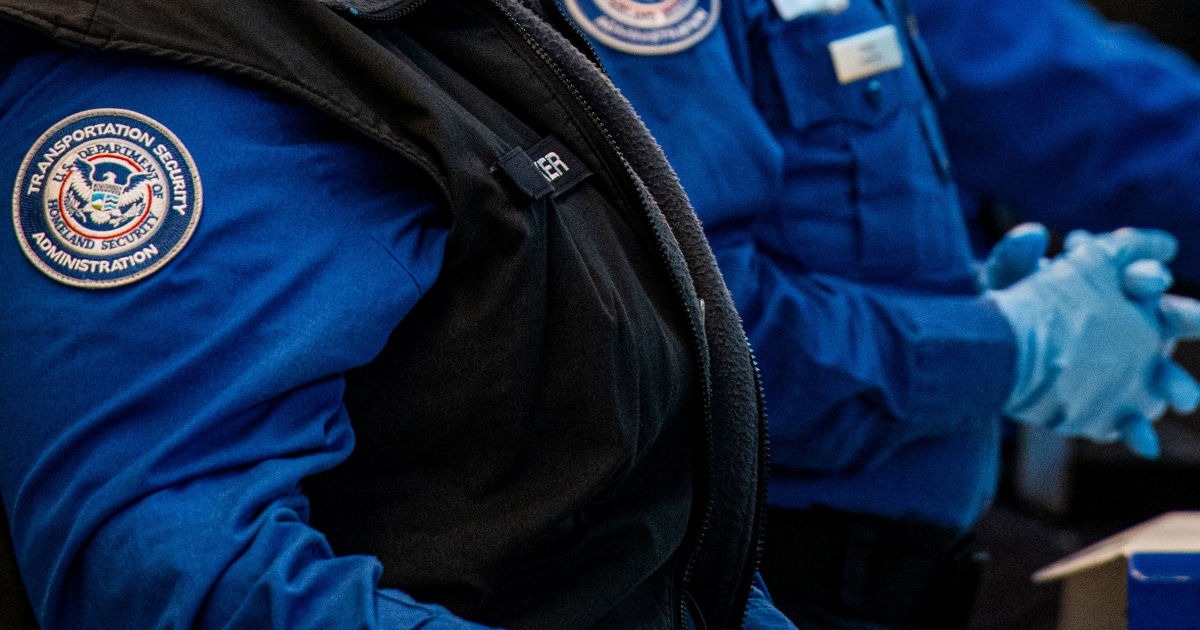
The Transportation Security Administration (TSA) workforce has been significantly impacted by the ongoing partial government shutdown affecting the Department of Homeland Security (DHS), leading to widespread financial hardship and operational challenges at airports nationwide. TSA employees, many of whom have gone without pay for over a month, have resorted to various measures to make ends meet, including taking on additional jobs, seeking assistance from food banks, borrowing money from family, and even selling blood plasma. Despite being legally required to continue working, an increasing number of TSA workers have been calling out of work, resulting in long wait times for travelers and heightened stress for those remaining on duty.
According to the Department of Homeland Security, approximately 500 TSA workers have quit since the shutdown began, exacerbating staffing shortages at major airports such as Chicago’s O’Hare, New York’s LaGuardia, and Atlanta’s Hartsfield-Jackson. These shortages have contributed to record wait times of up to six hours at security checkpoints. TSA employees have expressed frustration and demoralization, with some considering leaving the agency altogether after enduring multiple shutdowns in recent years. One TSA worker from Indiana described having to move in with relatives and rely on family support to cover basic expenses, while others have reported facing eviction threats and difficulties with creditors unwilling to accept furlough letters as proof of their situation.
The shutdown originated from a political impasse between Republicans and Democrats over funding for DHS agencies, particularly Immigration and Customs Enforcement (ICE) and Customs and Border Protection (CBP). Democrats demanded reforms and restrictions on these agencies following controversial enforcement actions, including the deaths of two American citizens in Minneapolis earlier this year. Republicans rejected these demands, leading to a funding lapse for DHS. The Senate passed a bill early Friday morning to fund DHS agencies excluding ICE and CBP, but the House rejected the measure, leaving the shutdown unresolved. Acting DHS spokesperson Lauren Bis attributed the hardships faced by TSA workers to the Democrats’ refusal to approve funding, while Senate Minority Leader Chuck Schumer blamed the Trump administration and Republicans for using TSA workers as political pawns.
The Senate-approved funding bill, passed by voice vote with only five senators present, represents a compromise that funds TSA, the Secret Service, FEMA, and the Coast Guard but excludes ICE and CBP. The measure includes some bipartisan provisions, such as $20 million for body cameras for immigration enforcement agents, but does not address the broader reforms Democrats seek. Senate Republicans have indicated plans to introduce a second reconciliation bill to fund ICE and CBP, with some members emphasizing increased deportation efforts. Meanwhile, Democrats maintain their stance against providing additional funds to ICE and CBP without meaningful reforms. The bill now awaits consideration in the House, where its prospects remain uncertain amid opposition from some Republican members. President Donald Trump announced plans to instruct DHS to pay TSA agents despite the shutdown, aiming to alleviate some of the financial strain on the workforce.



Be First to Comment