Key takeaways:
- An amendment requiring photo ID for voting failed in the Senate with a 53-47 vote, amid debate over the broader SAVE America Act, which includes proof of citizenship for voter registration and specific photo ID mandates.
- Concerns have been raised about potential ICE presence at polling places, with DHS officials denying deployment but some Trump administration figures suggesting possible ICE involvement, prompting requests for formal assurances against voter intimidation.
- A lawsuit was filed seeking records on a controversial voter data sharing agreement involving SSA employees and an advocacy group, alleging improper conduct and unauthorized disclosure of personal information related to election fraud investigations.
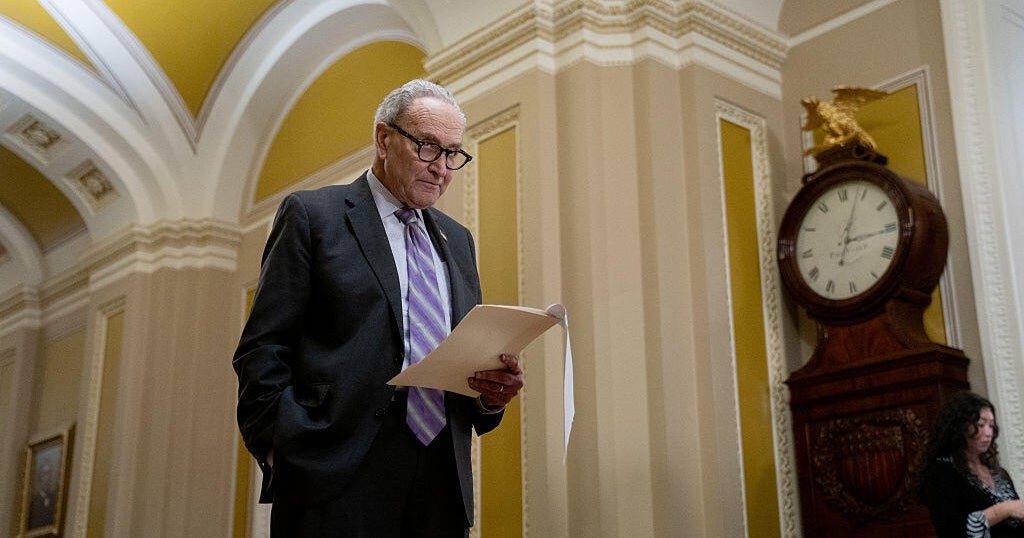
An amendment proposing a requirement for voters to present photo identification at the polls failed to advance in the Senate on Thursday, falling short of the 60 votes needed to proceed. The measure was defeated in a 53-47 vote amid ongoing debate over the broader and contentious SAVE America Act, a bill that would mandate proof of citizenship for voter registration and specific forms of photo ID for voting. Senate Minority Leader Chuck Schumer, who had previously indicated Democrats were not opposed to photo ID requirements, condemned the amendment ahead of the vote, describing it as the “single strictest voter ID law in America.”
The amendment, introduced by Republican Senator Jon Husted of Ohio, specified acceptable forms of photo ID including driver’s licenses, state-issued IDs, passports, military IDs, and tribal IDs. Senate Majority Leader John Thune defended the proposal as straightforward and reflective of IDs commonly carried by Americans. Husted emphasized that the amendment imposed no additional restrictions on absentee voting and clarified that voters submitting mail ballots would include a copy of their ID or the last four digits of their Social Security number on the outside of the secrecy envelope. This information would be verified separately from the ballot to maintain voter privacy. Schumer disputed this explanation, expressing concerns that the requirement would compromise ballot secrecy.
The vote occurred during the second week of a prolonged debate over the SAVE America Act, which lacks sufficient support to overcome the 60-vote threshold in the Senate. The legislation has drawn criticism from Democrats who view it as an attempt to restrict voting access, while Republicans argue it is necessary to ensure election integrity. Thune highlighted that public opinion polls generally favor voter ID requirements and noted that Republicans intended to challenge Democrats on this issue, especially after Schumer’s earlier comments suggesting Democrats did not oppose photo ID laws.
Separately, concerns have been raised about the potential deployment of Immigration and Customs Enforcement (ICE) agents at polling places during the upcoming elections. Despite repeated denials from Department of Homeland Security officials that ICE would be present at voting locations, statements from some Trump administration figures have been ambiguous. Recently confirmed DHS Secretary Markwayne Mullin suggested ICE agents might be stationed at polling sites to address specific threats, though not for voter intimidation. Democratic secretaries of state have formally requested written confirmation from DHS that ICE and other immigration enforcement personnel will not be deployed at polling places, citing fears of voter intimidation and the perpetuation of unfounded claims about non-citizen voting.
In related election integrity news, a lawsuit was filed by Democracy Forward seeking the release of records concerning a controversial voter data sharing agreement involving staffers from the Social Security Administration (SSA) and an unnamed advocacy group. The Justice Department revealed that in March 2025, two SSA employees affiliated with Elon Musk’s DOGE team engaged with the group to find evidence of voter fraud and efforts to overturn election results in certain states. The lawsuit alleges improper conduct and unauthorized disclosure of protected personal information, raising questions about the integrity of upcoming elections. Democracy Forward’s president, Skye Perryman, criticized the Trump-Vance administration for lack of transparency regarding the handling of Americans’ personal data.
These developments underscore the ongoing tensions and complexities surrounding election laws, voter access, and election security as the nation approaches the 2026 midterm elections.




Be First to Comment