Key takeaways:
- The U.S. Justice Department admitted to incorrectly citing a May 2025 ICE memo to justify arrests at immigration courthouses, as the memo excludes federal immigration courts where these arrests occurred.
- Despite acknowledging the error, the Department of Homeland Security affirmed it will continue courthouse arrests, a practice criticized by immigrant rights groups and highlighted by cases like that of detained student Dylan Contreras.
- Ongoing litigation challenges ICE’s courthouse arrest practices, with Judge Kevin Castel expected to reconsider rulings after the Justice Department’s admission of the legal mistake.
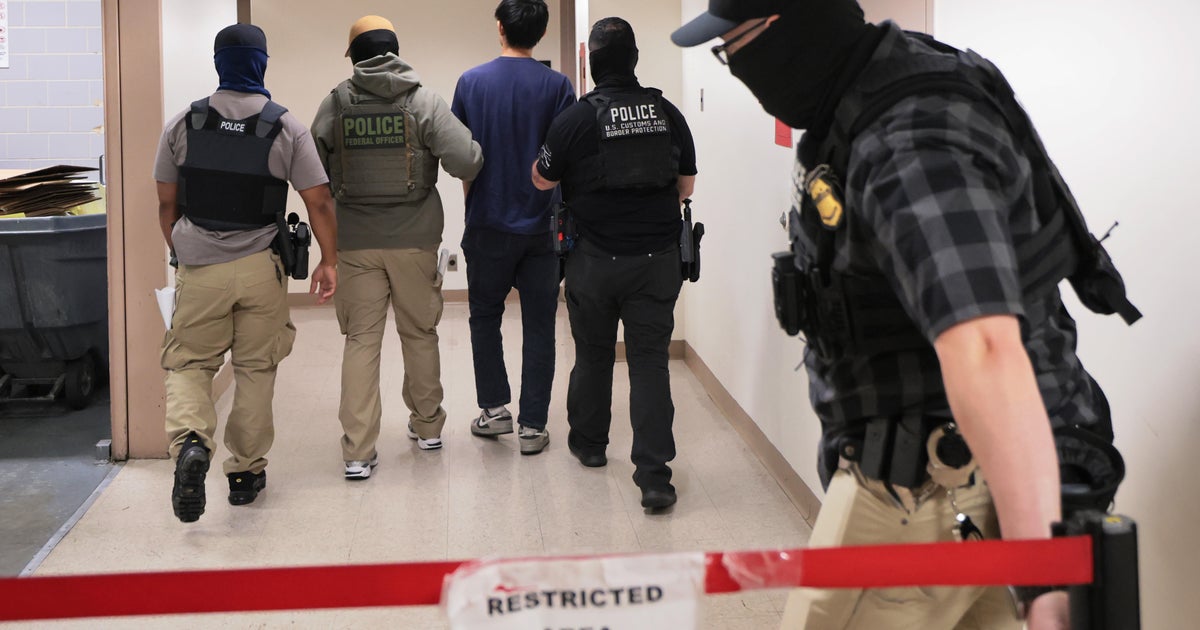
The U.S. Justice Department has acknowledged a significant error in its legal defense of Immigration and Customs Enforcement’s (ICE) practice of making arrests at immigration courthouses. In a letter submitted to U.S. District Court Judge Kevin Castel in New York, government attorneys admitted that they had incorrectly cited a May 2025 ICE memo to justify these courthouse arrests. The memo, titled “2025 ICE Guidance,” applies to most courthouses but explicitly excludes federal immigration courts, where ICE agents have been conducting arrests over the past year.
The Justice Department described the mistake as a “material mistaken statement of fact” resulting from an “agency attorney error,” likely within ICE. The error was discovered after the government received an internal ICE email clarifying that the 2025 guidance does not apply to Executive Office for Immigration Review (EOIR) courts. The admission came amid ongoing litigation brought by immigrant advocacy groups challenging ICE’s courthouse arrest practices, which they argue unfairly penalize individuals attending their immigration hearings.
Judge Castel had previously denied a motion from the advocacy groups seeking to block the arrests, partly relying on the May 2025 ICE memo in his ruling. However, the Justice Department’s recent disclosure indicates that the court’s September 2025 opinion and related briefs will need to be reconsidered and re-briefed to address the plaintiffs’ claims under the Administrative Procedure Act on their merits. Despite withdrawing parts of its legal arguments based on the memo, the government maintained that the arrests do not violate any common-law privilege against courthouse arrests.
The Department of Homeland Security (DHS), which oversees ICE, stated that there is no change in policy and affirmed its intention to continue making arrests at immigration courts following proceedings. “It is common sense to take them into custody following the completion of their removal proceedings,” DHS said in a statement. The practice has drawn criticism from immigrant rights groups and public officials. The New York Civil Liberties Union (NYCLU), which filed the lawsuit, called the government’s admission “shocking” and said it has “far-reaching” consequences, as arrests have continued, often resulting in detainees being held far from their homes.
The controversy has highlighted individual cases such as that of Dylan Contreras, a New York City public school student who was detained after a routine immigration hearing despite having no criminal history. Contreras, who arrived from Venezuela and was pursuing a green card, was held for ten months before his release. His lawyers have argued that he was seeking asylum, while DHS maintained that ICE was following the law in placing him in expedited removal. New York Mayor Zohran Mamdani criticized the detention, emphasizing the impact on Contreras’s education and well-being.
As of now, Judge Castel has not formally responded to the Justice Department’s admission. The case continues to draw attention to the legal and humanitarian implications of ICE’s courthouse arrest practices and the government’s handling of related litigation.




Be First to Comment