Key takeaways:
- The U.S. is preparing to deploy fewer than 1,500 troops from the 82nd Airborne Division to the Middle East amid ongoing air operations targeting Iranian military infrastructure.
- Since the conflict began, the U.S. has conducted over 9,000 combat flights against Iranian military sites, with additional Marine forces and warships being deployed to the region.
- President Trump receives curated daily video briefings highlighting U.S. successes, though some officials worry he may not be fully informed of setbacks; the White House denies these concerns, emphasizing ongoing communication and support.
The United States is preparing to deploy elements of the 82nd Airborne Division to the Middle East as the conflict with Iran enters its fourth week, according to multiple sources familiar with the planning. The deployment is expected to include a command element and ground forces, totaling fewer than 1,500 troops. This move comes amid ongoing air operations targeting Iranian military infrastructure. The Pentagon has not officially confirmed the deployment, deferring questions to the White House, which stated that announcements on troop movements would come from the Pentagon.
Since the war began on February 28, the U.S. has conducted an extensive air campaign against Iran, carrying out over 9,000 combat flights targeting more than 9,000 military sites. These strikes have focused on Iranian Revolutionary Guard Corps headquarters, intelligence facilities, ballistic missile sites, missile defense systems, military manufacturing plants, and naval vessels, according to U.S. Central Command. Additionally, thousands of Marines are en route to the region, with three warships and approximately 2,200 Marines from an expeditionary unit having departed California last week. This marks the second Marine Expeditionary Unit deployment since the conflict started.
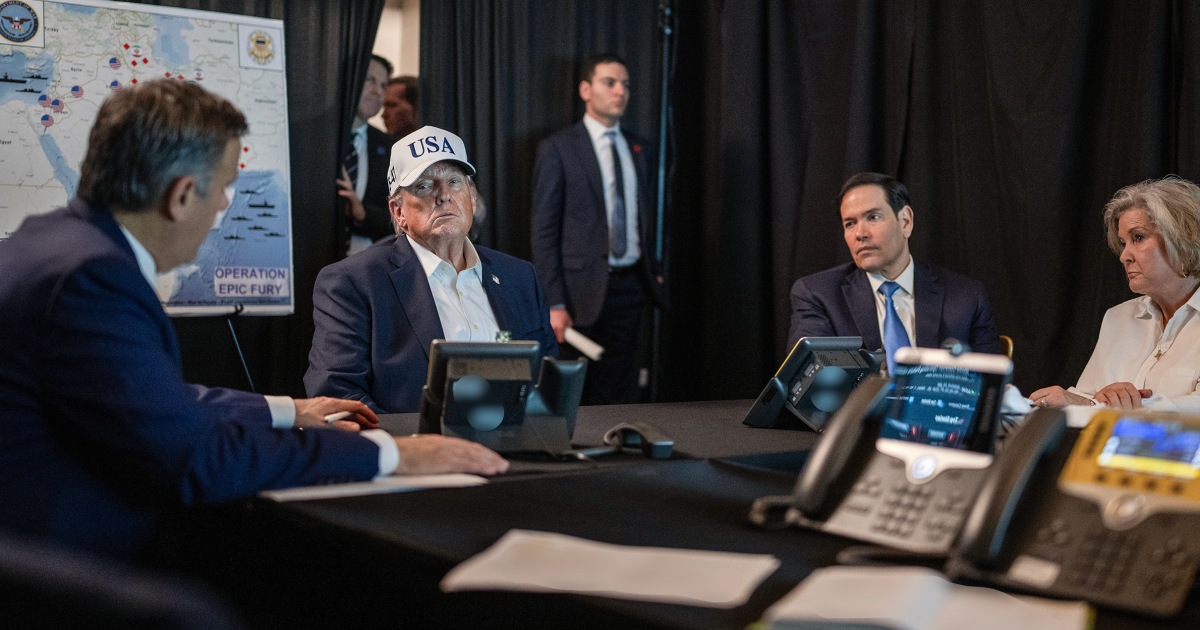
President Donald Trump receives daily video briefings that compile footage of the most significant U.S. strikes on Iranian targets over the previous 48 hours. These briefings, which typically last around two minutes, consist of a series of clips showing explosions and damage inflicted on Iranian military assets. While the videos highlight U.S. successes, some current and former U.S. officials express concern that the president may not be receiving a comprehensive view of the conflict, including setbacks and Iranian actions. The officials noted that the curated nature of the briefings emphasizes victories and provides limited detail on adverse developments.
White House Press Secretary Karoline Leavitt rejected claims that President Trump is not fully informed, stating that he actively seeks honest input from his advisors and is kept apprised of all aspects of the war. Pentagon spokesperson Sean Parnell described the ongoing military operation, dubbed Operation Epic Fury, as an “overwhelming success,” with the president in constant communication with military leadership. Despite this, public opinion remains divided, with a majority of voters opposing Trump’s handling of the war, though support remains strong within his core political base. The flow of information to the president and the balance between highlighting successes and acknowledging challenges remain critical issues as the conflict continues.





Be First to Comment