Key takeaways:
- Federal prosecutors in Miami have subpoenaed former FBI Director James Comey as part of a broad Justice Department investigation into alleged misconduct by Obama-era intelligence officials related to the 2016 election and subsequent Trump investigations.
- The probe, initiated after a criminal referral by former DNI Tulsi Gabbard alleging a “treasonous conspiracy,” has issued over 130 subpoenas to former intelligence and law enforcement officials, expanding its scope from 2016 to the present.
- Comey has faced prior legal scrutiny over his 2016 election role, with previous prosecution attempts dismissed due to procedural issues; the Justice Department is appealing those rulings while no comments have been made on the new subpoena.
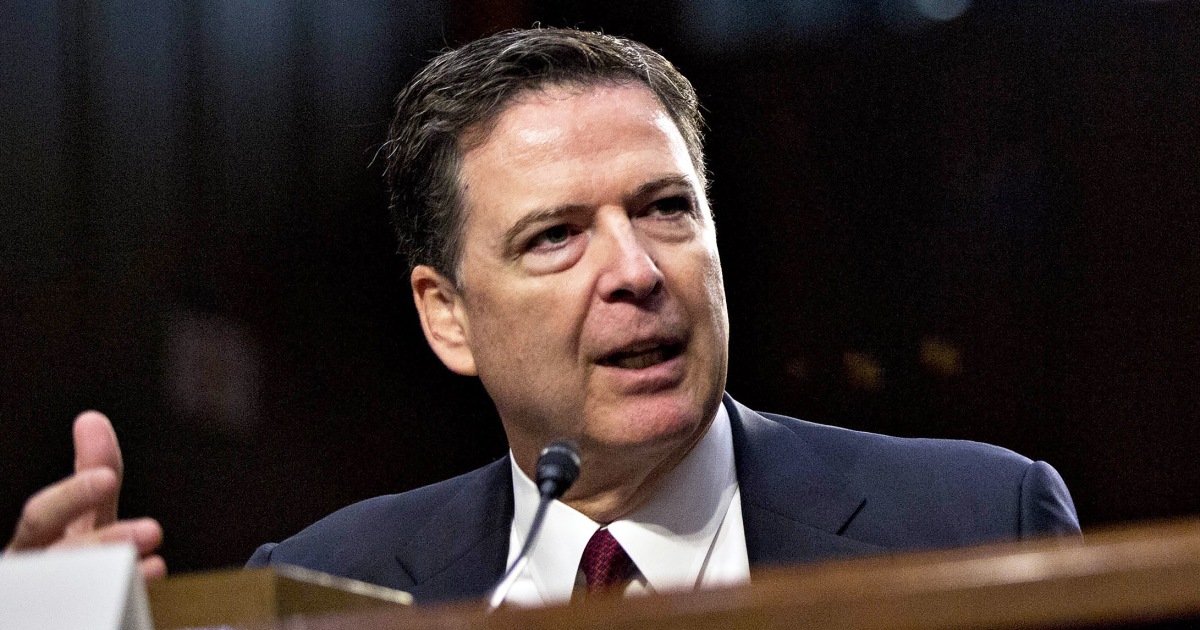
Federal prosecutors in Miami have subpoenaed former FBI Director James Comey as part of an expansive Justice Department investigation into intelligence officials who conducted inquiries during the Obama administration, sources familiar with the matter told CBS News and NBC News. The probe, led by U.S. Attorney Jason A. Reding Quiñones for the Southern District of Florida, centers on alleged misconduct related to the 2016 presidential election and subsequent investigations involving former President Donald Trump.
Since the investigation began last year, federal prosecutors have issued over 130 subpoenas to various former intelligence and law enforcement officials. Among those subpoenaed in November were former CIA Director John Brennan, former FBI counterintelligence official Peter Strzok, former FBI attorney Lisa Page, and former FBI Deputy Director Andrew McCabe. McCabe’s attorney, Michael Bromwich, characterized the investigation as “a vendetta in search of a crime.” Recent subpoenas have sought documents covering a broader timeframe, extending from 2016 through the present, according to lawyers representing the subpoenaed individuals.
The probe was initiated following a criminal referral made by then-Director of National Intelligence Tulsi Gabbard last year, who alleged, without presenting evidence, a “treasonous conspiracy” by top Obama-era intelligence officials to undermine the Trump campaign and presidency. The investigation has been described by Trump allies as a “grand conspiracy” inquiry, focusing on claims that officials involved in the original Russia interference investigation engaged in coordinated efforts to damage Trump politically. However, legal experts note that the statute of limitations would typically prevent prosecution of actions from nearly a decade ago, though proponents of the investigation argue that ongoing actions within the last five years may fall within allowable limits.
This is not the first time Comey has faced legal scrutiny related to his role in the 2016 election investigations. The Trump administration previously attempted to prosecute him over congressional testimony, but the case was dismissed after a judge ruled that the DOJ prosecutor assigned to the case, Lindsey Halligan, was unlawfully appointed. The Justice Department has appealed that ruling, defending Halligan’s appointment despite a federal judge’s description of her as “a former White House aide with no prior prosecutorial experience.” Representatives for Comey and the U.S. Attorney’s office have not provided immediate comments on the latest subpoena.




Be First to Comment