Key takeaways:
- Director of National Intelligence Tulsi Gabbard testified before the Senate Intelligence Committee, expressing skepticism about labeling Iran’s nuclear program as an “imminent threat” and highlighting divisions within the intelligence community and administration.
- Gabbard avoided fully endorsing the U.S.-Israeli military campaign, omitted a written assessment on Iran’s degraded nuclear capabilities during her testimony, and emphasized that only the commander in chief can define urgent threats.
- The ongoing conflict has caused geopolitical and economic disruptions, including retaliatory Iranian actions affecting global oil markets, while intelligence reports indicate Iran continues to retaliate despite diminished power projection.
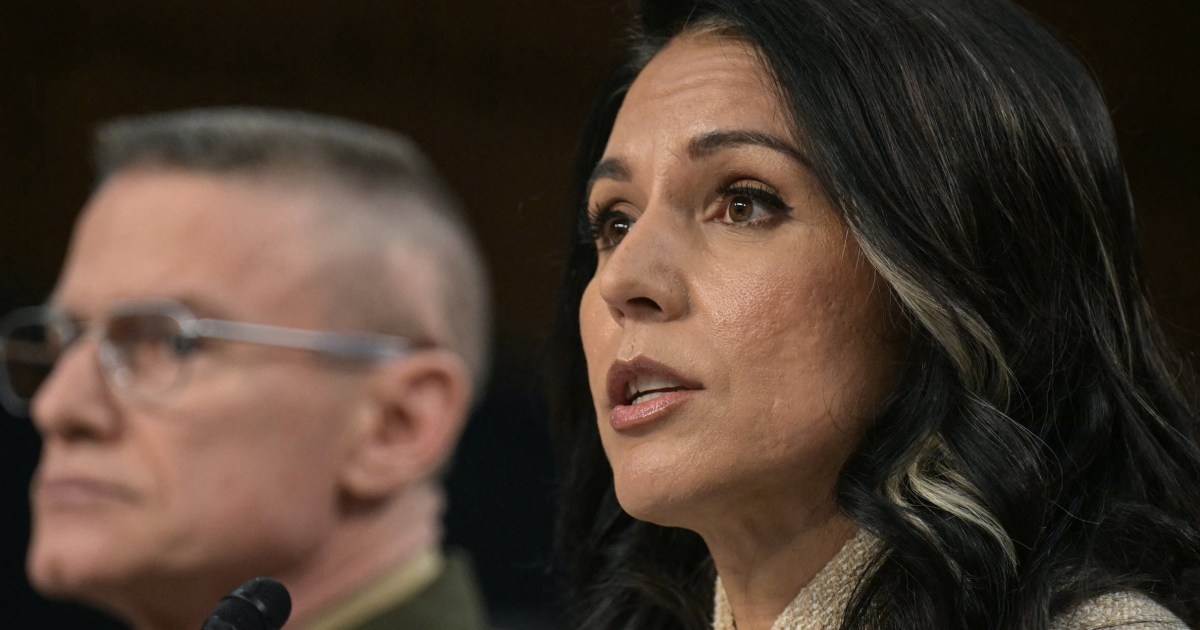
Director of National Intelligence Tulsi Gabbard testified before the Senate Intelligence Committee on Wednesday amid ongoing tensions surrounding the U.S.-Israeli military campaign against Iran. During the hearing, Gabbard declined to characterize Iran’s nuclear program as an “imminent threat,” a stance that contrasted with statements from other administration officials and raised questions about the intelligence community’s consensus on the justification for the conflict. Her testimony came a day after her deputy, Joe Kent, resigned in protest, arguing that the Tehran regime did not pose an immediate danger and that the joint air campaign was unnecessary.
Gabbard, a military veteran known for her opposition to foreign military interventions, avoided fully endorsing the war effort during her appearance. She omitted from her oral remarks a written assessment stating that Iran’s nuclear enrichment capabilities had been “obliterated” by previous U.S. air strikes and that Tehran had made no efforts to rebuild them since. This assessment appeared to contradict President Donald Trump’s claims that Iran was actively working to restore its nuclear program. When questioned by Senator Mark Warner about the omission, Gabbard said she skipped parts of her statement due to time constraints.
Throughout the hearing, Gabbard maintained a neutral tone, emphasizing that only the commander in chief could determine what constituted an urgent threat to the United States. She reiterated intelligence community assessments that Iran’s conventional military capabilities had been largely degraded by the ongoing air campaign, leaving the regime with limited options. Gabbard also noted that Iran’s economy was worsening, likely increasing internal tensions even if the regime remained in power. Both she and CIA Director John Ratcliffe acknowledged that U.S. intelligence had anticipated possible Iranian retaliation, including strikes on energy infrastructure and attempts to close the Strait of Hormuz, a vital commercial shipping route.
The conflict, now in its third week, has led to significant geopolitical and economic repercussions. Iran’s retaliatory actions have disrupted global oil markets, contributing to a spike in gas prices that poses political challenges for President Trump ahead of the November midterm elections. Meanwhile, the intelligence community’s report to the Senate highlighted that while the U.S.-Israeli strikes had curtailed Iran’s power projection, Tehran continued to use its remaining capabilities to retaliate against U.S. interests and allies in hopes of ending the conflict. The hearing underscored ongoing divisions within the administration and intelligence agencies regarding the nature of the threat posed by Iran and the strategic objectives of the military campaign.





Be First to Comment