Key takeaways:
- President Trump urged allied and rival nations to jointly patrol the Strait of Hormuz to secure the vital oil transit route, but countries like Japan, France, China, the UK, and South Korea responded cautiously without committing to military involvement.
- Iran reaffirmed its stance of self-defense, denied closing the strait, and claimed disruptions were due to U.S. actions, while allowing some vessels safe passage amid ongoing tensions.
- The conflict has disrupted shipping and raised global oil prices, with experts warning that even a multinational naval presence may not ensure security, suggesting diplomatic solutions may be more effective than military intervention.
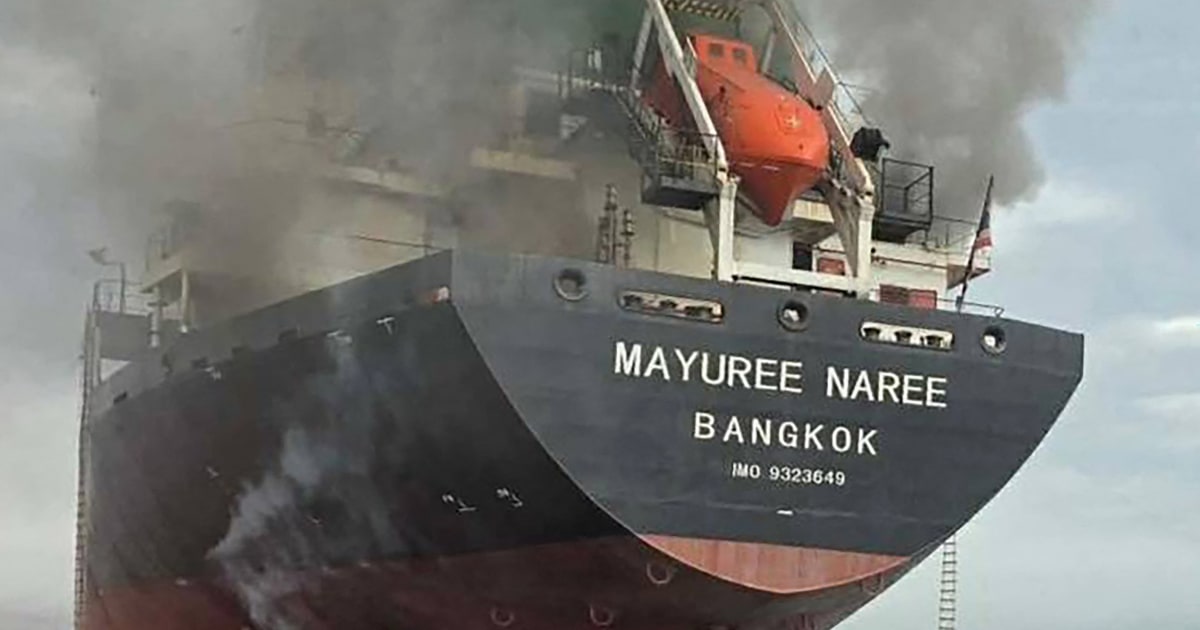
In response to escalating tensions and attacks on shipping in the Strait of Hormuz, U.S. President Donald Trump has called on allied and rival nations to jointly secure the vital maritime corridor. On March 14, Trump posted on Truth Social urging countries including China, France, Japan, South Korea, and the United Kingdom to send warships to patrol the strait, a critical passage through which approximately 20% of the world’s oil supply transits monthly. Trump emphasized the need for a coordinated international effort, stating, “The U.S. will also coordinate with those Countries so that everything goes quickly, smoothly, and well. This should have always been a team effort, and now it will be.”
Despite Trump’s appeal, the response from the named countries has been cautious and noncommittal. Japan’s foreign ministry declined to immediately dispatch naval vessels, affirming that Japan will make independent decisions based on its own judgment. France, while maintaining a defensive naval posture in the eastern Mediterranean, did not confirm any plans to escort ships through the strait. China called for an immediate cessation of hostilities but did not directly address Trump’s request for military involvement. The United Kingdom indicated ongoing discussions with allies, including the U.S., and mentioned exploring options such as autonomous minehunting equipment. South Korea stated it would carefully review the request in close communication with the United States. Analysts suggest that the lukewarm reactions reflect the complexities and risks involved in militarily securing the narrow and strategically sensitive waterway, where mines, drones, and missiles pose significant threats.
Meanwhile, Iranian Foreign Minister Abbas Araghchi, in an interview aired on March 15, reiterated Iran’s stance of self-defense and refusal to negotiate a ceasefire. Araghchi dismissed the idea that Iran sought to end the conflict, describing the war as “illegal” and initiated by the United States. He accused American forces of aggression and defended Iran’s military actions as targeting American assets rather than civilian areas. Regarding the Strait of Hormuz, Araghchi confirmed that Iran has been approached by several countries seeking safe passage for their vessels and that Iran’s military has permitted certain ships to transit securely. He denied that Iran had closed the strait, attributing the disruption to insecurity caused by U.S. actions.
The ongoing conflict has severely disrupted shipping through the Strait of Hormuz, contributing to a sharp rise in global oil prices and heightened economic uncertainty. Security experts caution that even a multinational naval presence may not guarantee safe passage due to the narrowness of the strait and the potential for asymmetric attacks. Michael A. Horowitz, a geopolitical analyst, noted that protecting ships in the corridor would require extensive military resources, including ground forces along key coastal areas, and that a single attack could still halt traffic. Observers suggest that diplomatic efforts to de-escalate tensions may be more viable than military intervention in restoring stability to this critical trade route.




Be First to Comment